Makeup Brush Materials and Care: Animal Hair Versus Synthetic
Compare animal and synthetic hair on pickup, suited categories, and lifespan, then get the brush-shape specs and the cleaning calendar that protects both face and tools.
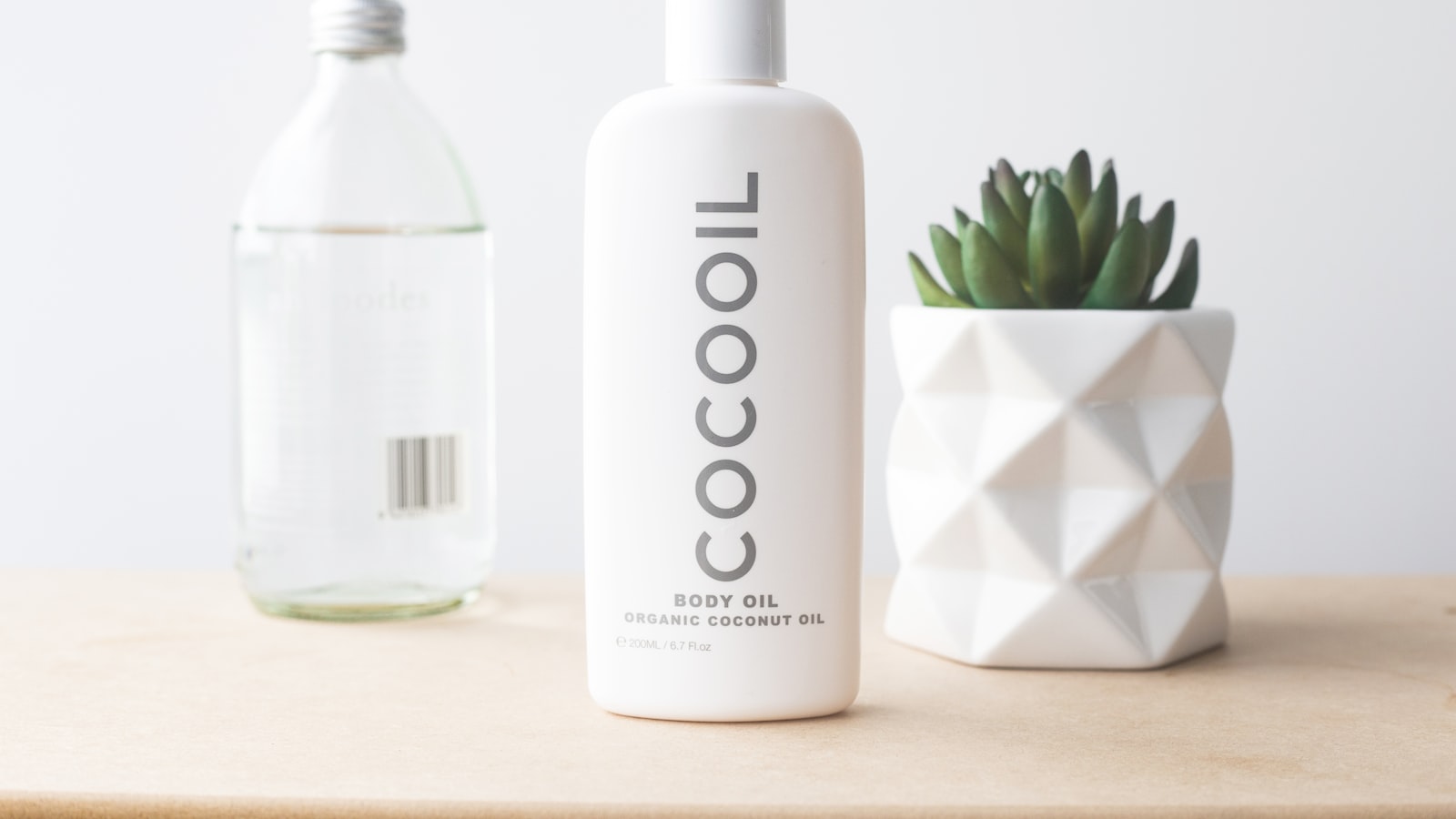
Brushes are the hands of makeup, and the material decides pickup and finish. Animal hair is fluffy and grabs powder for a natural blend; synthetic hair is springy and suited to creams, liquids, and easy cleaning. But many buy on looks alone, use the wrong material, and either get flyaway powder or no pickup at all, ruining the face at the tool stage. One wrong brush can mute an expensive eyeshadow completely.
This piece exhausts the difference between animal and synthetic, the parameters and uses of key brush shapes, and the frequency and method of cleaning and care, so you choose brushes by product texture and know how to extend their life and avoid frizz and shedding. A brush isn't valuable for its logo, it's valuable for whether you can use and maintain it, and a cleaning calendar beats ten new sets. The gap between a polished face and a muddy one usually traces back to whether the tool in hand was clean and matched to the product, not to the price of the product. A fifteen-dollar synthetic that is washed on schedule will outperform a neglected sable every time.
The Difference Between Animal and Synthetic Hair
Animal hair, goat, squirrel, sable, carries a cuticle on the surface that grabs and releases dry powder for a natural blend, ideal for powder, eyeshadow, and blush. Wool is cost-effective but a touch prickly; squirrel is extremely soft for the sensitive eye area; sable is springy but pricey. The downside is delicacy, careful cleaning, and a tendency to frizz, so upkeep costs more.
Synthetic hair, nylon or polyester, is smooth with no cuticle, so it doesn't soak up powder, washes easily, dries fast, and resists bacteria, suited to wet products like foundation, concealer, and lip. Its pickup is weaker than animal hair, but it wins on precision and hygiene. Blended hair takes both strengths, animal hair at the head for touch, stable at the ferrule. Dry powder uses animal hair, wet makeup uses synthetic, the first rule of brush choice. If you watch a working artist mid-look, the moment they swap a synthetic for a natural-hair brush the way color settles changes instantly, and that single shift is the whole case for owning both kinds rather than pledging allegiance to one.
- Animal hair grabs powder, suits powder and blending
- Synthetic washes easy, suits wet products with precision
- Blended hair balances touch and stability
Dry powder uses animal hair, wet makeup uses synthetic.
Parameters and Uses of Key Brush Shapes
A foundation brush is a dense round or flat head, synthetic, 1.5 cm bristles, 0.12 mm fiber, spreading liquid without streaks. A powder brush is a large fluffy round, goat hair, 4.5 cm bristles, medium density, picking up evenly without clumps. A blush brush is an angled or round medium, 3.5 cm bristles, controlling the range so it doesn't sweep past the boundary.
An eyeshadow blender is a fluffy round, goat hair, 1.6 to 1.8 cm bristles, softening edges; a packing brush is flat and dense, 1.2 cm, for accurate color. A concealer brush is a flat tongue, synthetic, 1.2 cm, for precise patting. A brow brush is an angled stiff hair, 0.8 cm, for a crisp line. Brush shape parameters map to technique, wrong shape wrong effect, so check specs, not just pictures.
- Foundation brush: round head, 1.5 cm bristle
- Powder brush: goat hair, 4.5 cm bristle
- Blender: fluffy, 1.8 cm bristle
Brush shape parameters map to technique; wrong shape, wrong effect.
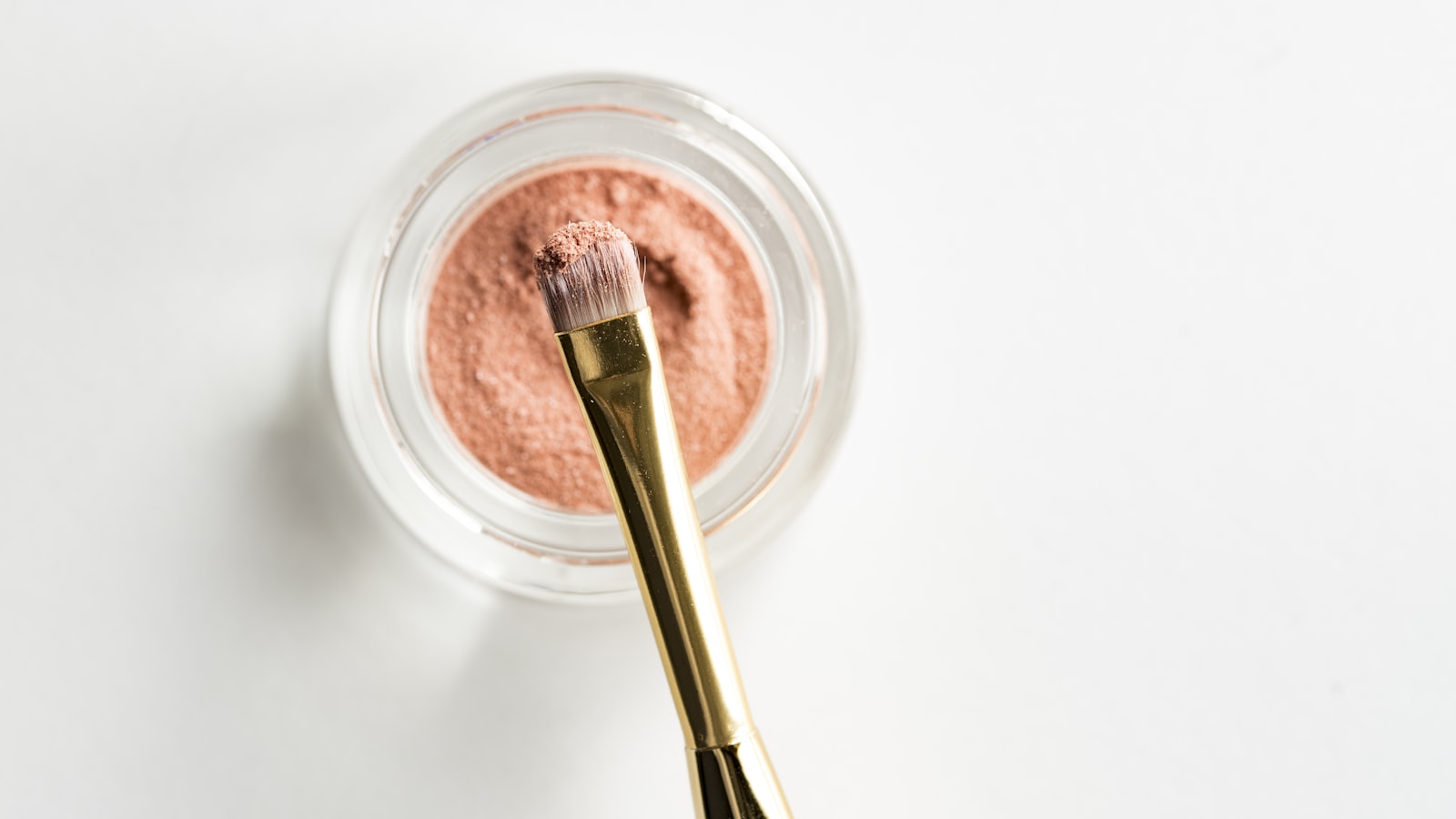
Cleaning Frequency and the Right Method
Brushes for liquid products, foundation, concealer, lip, must be washed after every use to avoid residue breeding bacteria and transferring color; powder brushes, eyeshadow, powder, blush, weekly one to two times, or every three days under heavy use. Over-washing damages hair, long neglect builds powder and bacteria that feed closed comedones, one hidden cause of bumps. Treat the calendar as insurance: five minutes of washing tonight spares you a week of clogged pores and a visibly duller finish, and it keeps the bristles gripping product the way they did on day one.
Clean with a dedicated brush cleanser or mild shampoo, a few drops in warm water, working circles on the palm or a cleaning mat, always along the hair from root to tip, never reverse-scrubbing. Rinse, squeeze the water, blot with paper towel, and stand head-up in a holder to air dry, no sun, no blower, or it frizzes. Wet brushes daily, powder brushes weekly, set a reminder so nothing slips.
- Wet brushes wash every use, powder brushes weekly
- Work along the hair, root to tip
- Stand head-up to air dry, no sun, no blower
An unwashed wet brush is a bacterial culture dish.
Care and Frizz Repair
After drying, comb the bristles back to shape with your fingers and slip on a guard net or wrap to set and prevent frizz. In long storage stand head-up so the tip doesn't bend. Animal hair occasionally takes a tiny bit of conditioner to stay soft, but use almost none and rinse it out, because residue sticks and hurts pickup.
Frizz mostly comes from reverse-scrubbing, sun, and compression. Mild frizz can recover under warm steam to soften, then comb root-to-tip and air dry; severe frizz from damaged cuticle rarely recovers and needs replacement. Synthetic frizzes less but deforms with age, also avoiding high heat. A well-kept animal hair brush lasts two to three years, synthetic one to two. The lifespan is written in your washing hand.
- Comb to shape after drying, net to set
- Animal hair with a little conditioner, rarely
- Frizz mostly from reverse-scrub and sun
A brush's lifespan is written in your washing hand.
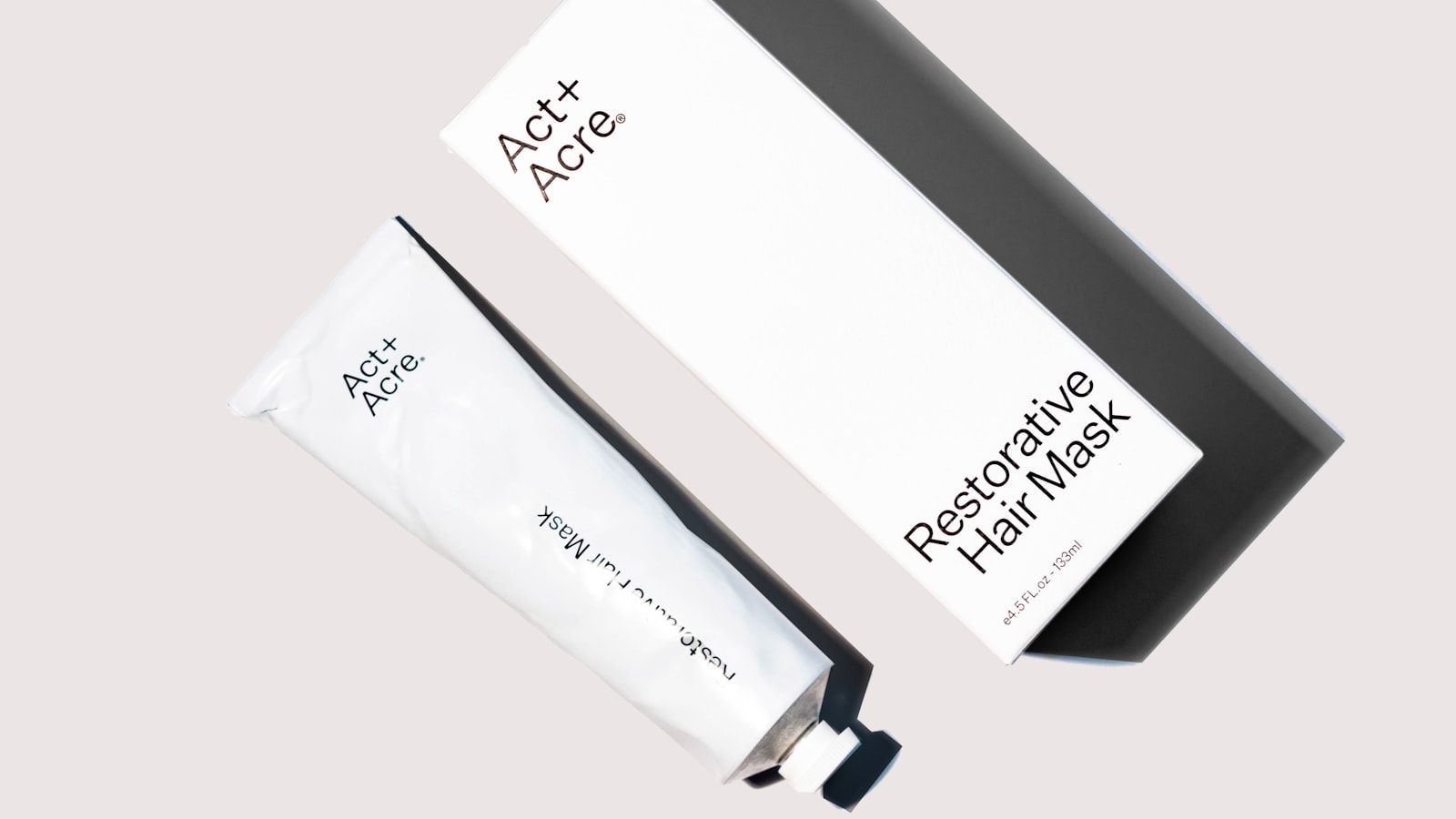
Purchase and Price Tiers
An entry synthetic set, eyeshadow, contour, blush, powder, ten to twelve pieces, runs about 35 to 120 RMB, roughly 5 to 17 dollars, enough for a beginner. An advanced single animal hair, goat powder or squirrel eyeshadow, runs about 45 to 260 RMB, roughly 6 to 36 dollars per brush. A professional sable or grey squirrel single can reach 200 to 600 RMB, roughly 28 to 83 dollars, for high-frequency pro use.
No need to buy everything at once; start with a synthetic foundation brush plus two or three animal eyeshadow brushes, then fill by need. Judge quality by whether the tip is even, pickup is uniform, and the handle is balanced. Drugstore has good brushes, and the cost is in material and handwork, not the logo. Get enough first, then refine, avoid impulse-hoarding a drawer of unused brushes. Before any purchase, swipe the brush once on the back of your hand with a little product; an even, controlled release tells you more about quality than the brand name etched on the handle, and it spares you the regret of a pretty but useless tool.
- Entry set 35 to 120 RMB
- Animal hair single 45 to 260 RMB
- Professional sable 200 to 600 RMB
Brushes first enough, then refined.
The Link Between Brushes and Hygiene
A dirty brush is an invisible driver of closed comedones and allergy. A foundation brush residue carries oil and dead skin, and bacteria exceed safe limits within two days; an eyeshadow brush mixes colors and carries bacteria in. Build a cleaning calendar: wet brushes daily, powder brushes weekly, and keep two sets rotating so you're never waiting on a dry one, wash one set weekend, use the other Monday.
When traveling, a divided brush roll with cap protectors prevents compression and contamination. Sharing brushes is a cross-infection source, so keep personal brushes unloaned. If bristles smell off or shed abnormally, the material has aged or cleaning failed, consider replacing. Clean brushes are the baseline of skin safety, don't let the tool undo your skincare.
- Wet brushes daily, powder brushes weekly
- Keep two sets rotating so use never waits
- Personal brushes stay unloaned
Clean brushes are the baseline of skin safety.
Brush Storage and Environment
Storage should breathe and resist dust; a holder beats a closed box, because a sealed box turns humid and molds. Brushes on long display avoid direct sun, UV brittles and fades animal hair. Wipe the roll lining monthly with an alcohol wipe to stop accumulated powder flowing back to the ferrule. A simple rule keeps most tools alive: if you would not store bread in that spot, do not store brushes there either, because the same warmth and damp that spoils food loosens glue and breeds microbes at the ferrule.
In rainy season, a desiccant near the holder lowers the chance of mold at the root. Pricey brushes stand alone, not crushed, to protect the tip. A dry, airy environment keeps brushes stable and handy. Good brushes with good storage last and stay hygienic.
- A holder breathes better than a closed box
- Avoid direct sun to prevent brittle hair
- Wipe roll lining monthly against buildup
Dry storage keeps brushes stable.
Practical checklist
- Dry powder uses animal hair, wet makeup uses synthetic, choose by texture
- Foundation, concealer, lip brushes wash after every use
- Clean along the hair, root to tip, no reverse-scrub, no sun
- Comb to shape after drying, net to prevent frizz
- Build a cleaning calendar, wet daily, powder weekly
- Brushes stand in a breathable holder, away from sun and mold
Brushes are the extended hand of makeup; choose the right material, match the parameters, and clean properly, and both the finish and the skin benefit. Hold the big rule of animal hair for dry powder and synthetic for wet makeup, pair brushes to product texture, then extend life with root-to-tip washing and air-dry care. A brush isn't valuable for its logo, it's valuable for whether you can use and maintain it. Build the cleaning calendar, pair it with breathable storage, and it matters more than ten new sets and guards skin safety better. One more: brushes need not be a full collection, just fill the few most critical by the products and looks you actually use. One handy blender and one clean base brush raise the result more than a drawer of unused ones. Give the tool the same attention you give the formula and the payoff lands on the face, not in the sink.
Frequently asked
Should a beginner buy animal or synthetic hair?
Can a frizzed brush after washing be saved?
Is shedding from animal hair normal, and when should I replace?
Keep reading
More Makeup
Eye Makeup Basics: The Three-Shade Structure and Blend Boundaries
Build dimensional eye looks on a base, transition, and depth structure, and master the blend boundary and eye-shape adjustments you can actually copy.
Eyebrow Design: Mapping the Arch to Your Face Shape and Brow Color
From placing the arch by face shape and matching brow color to hair, to tweezing frequency and the stroke order, a complete method for brows that are actually yours.
The Complete Logic of Base Makeup: Order and Technique from Primer to Setting
From sunscreen and primer through concealer and powder, we break down the dosage, tools, and sequence of every step into a base routine that won't cake or patch.