Leather Jackets: Vegetable-Tan, Oil-Wax, and Reading the Grade
Distinguish vegetable-tanned, oil-wax, nappa, and PU by their tempers and grades; build a buying map from material to care.

The Edit
All sections
Irons, steamers and pressing kit at three budgets
The pressing kit is the most-overlooked spend in a wardrobe. What to buy at three budgets, from a fifty-dollar starter to a workshop that outlasts the clothes.
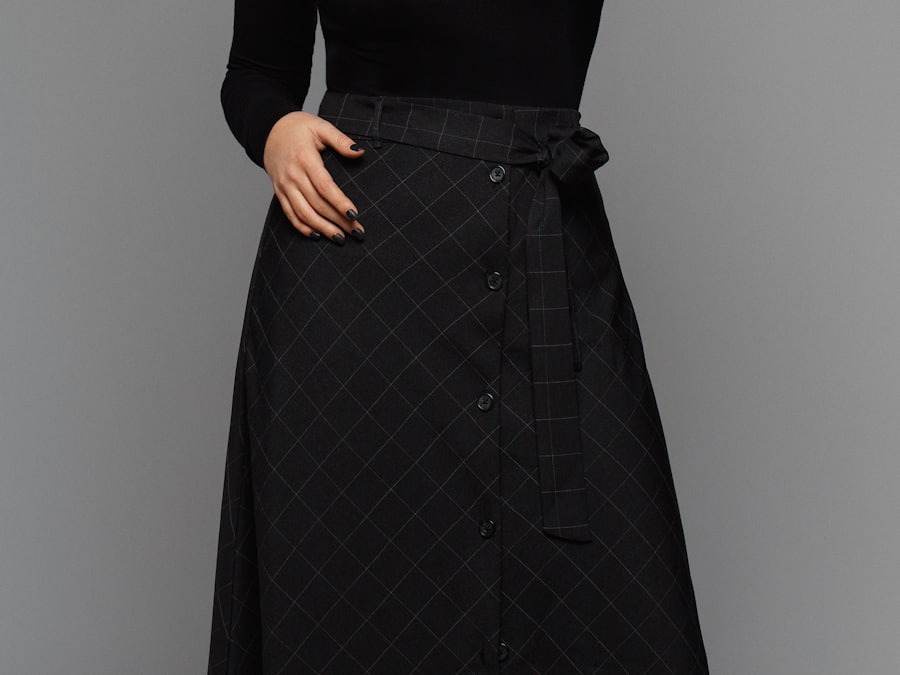
Allocation and Order for an Engagement Ring: Loose Stone, Setting, Brand Premium and Custom Lead Time
A workable plan with a 5-3-2 budget split, loose-stone priority and custom lead-time pitfalls.
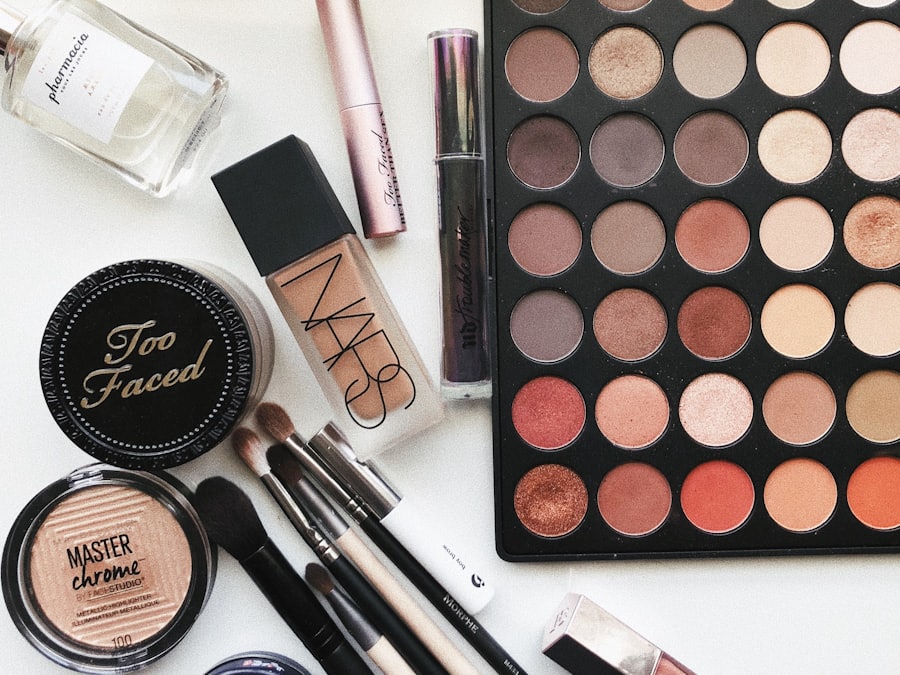
Eye Makeup Basics: The Three-Shade Structure and Blend Boundaries
Build dimensional eye looks on a base, transition, and depth structure, and master the blend boundary and eye-shape adjustments you can actually copy.
Latest
Browse the archive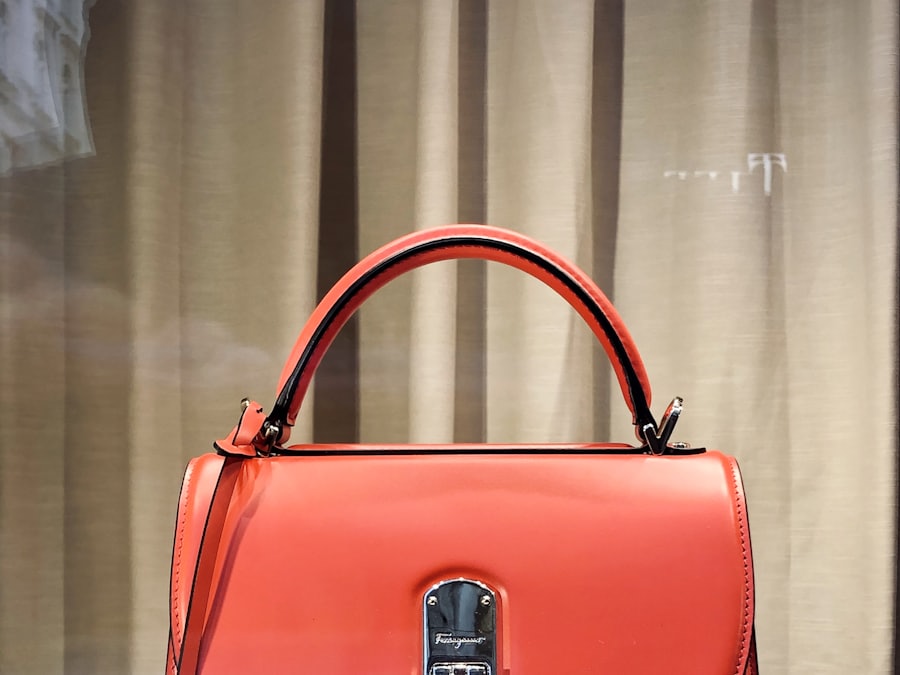
How to Buy: Samples, Decants and the Full Bottle
A buyer's method for testing cheaply, avoiding fakes, and knowing the moment a full bottle is genuinely worth the money.
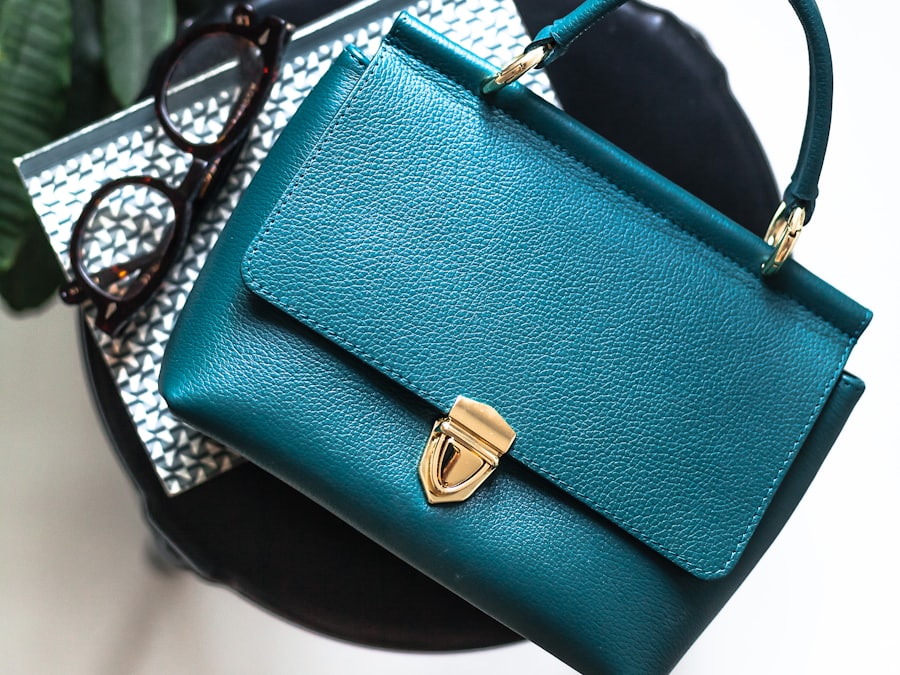
Hats and Face Shape: Crown, Brim, and Proportion
A hat is a frame for the face. Read crown height and brim width in centimetres against your shape, and the fedora, beret, bucket, and cap fall into place.
Stain chemistry: treat the stain by its class
A stain is a chemical, and the wrong remover sets it forever. Sort stains into protein, tannin, oil, dye and combination, then attack each class with the chemistry that actually lifts it.

Virtual Try-On and the Limits of AI
Virtual fitting and AI stylists promise to end returns and bad buys; they measure shape and preference well, but miss fabric, fit nuance and the body's truth.
Eyebrow Design: Mapping the Arch to Your Face Shape and Brow Color
From placing the arch by face shape and matching brow color to hair, to tweezing frequency and the stroke order, a complete method for brows that are actually yours.

Cashmere and fine woollens: wash, store, protect
The most fragile and most loved fibres in the drawer. How to wash cashmere without felting it, de-pill it without thinning it, and store it where moths never find it.

The Language of Denim Fit: Ounce Weight, Selvedge, and Matching the Cut to Your Legs
Straight, wide, tapered, and skinny each have their wearer; ounce weight and selvedge define a denim's character, with a body-match formula.
The Olfactive Families: How the Perfume Map Is Drawn
A field guide to citrus, floral, woody, oriental, fougère and chypre, and the systems perfumers use to place a scent on the wheel.
Apparel
The garment itself — cloth, cut, construction and the numbers on the label that actually mean something.
View all 14 →
Leather Jackets: Vegetable-Tan, Oil-Wax, and Reading the Grade
Distinguish vegetable-tanned, oil-wax, nappa, and PU by their tempers and grades; build a buying map from material to care.
The Language of Denim Fit: Ounce Weight, Selvedge, and Matching the Cut to Your Legs
Straight, wide, tapered, and skinny each have their wearer; ounce weight and selvedge define a denim's character, with a body-match formula.

Functional Activewear Fabrics: Wicking, Compression, and Matching Intensity
From wicking and compression to temperature control and seamless knitting, align fabric function to training intensity.

The Physics of Down Warmth: Fill Power, Fill Weight, and the Conversion That Matters
Use three rulers - fill power, fill weight, and down cluster content - to calculate whether a down jacket is warm enough for a given temperature.
Styling
How pieces meet a body and a life: proportion, colour, occasion, and the rules worth breaking.
View all 14 →
Dressing Petite: Division Points, Waist Placement and What Shoes Actually Do
Hem lengths by height, an exact waistline position and shoe choices that extend the leg, all measurable and all repeatable.
Dressing for Interviews: Industry Calibration and the First Seven Seconds
Calibrate formality to the industry, work the variables that genuinely shape a first impression, and run a checklist before you leave.

Minimalism Without Blandness: The Three Compensations
Cut supplies shape, material supplies substance, detail supplies sincerity, and together they fill the space that subtraction leaves behind.

The Three-Layer Method: Thickness Gradients, Temperature Control and Proportion
Assign each layer one job, keep the bulk in a single layer, and use measured hem reveals so layering adds interest instead of width.
Jewellery
Stones, metal and mechanism — grading, hallmarks, treatment disclosures and what to spend where.
View all 14 →Allocation and Order for an Engagement Ring: Loose Stone, Setting, Brand Premium and Custom Lead Time
A workable plan with a 5-3-2 budget split, loose-stone priority and custom lead-time pitfalls.
Earrings and Face Shape: Studs, Threads, Hoops and Tassels, Plus Weight and Back Material
By face shape we split the four earring types, stud, thread, hoop, tassel, and cover weight limits and hypoallergenic back points.
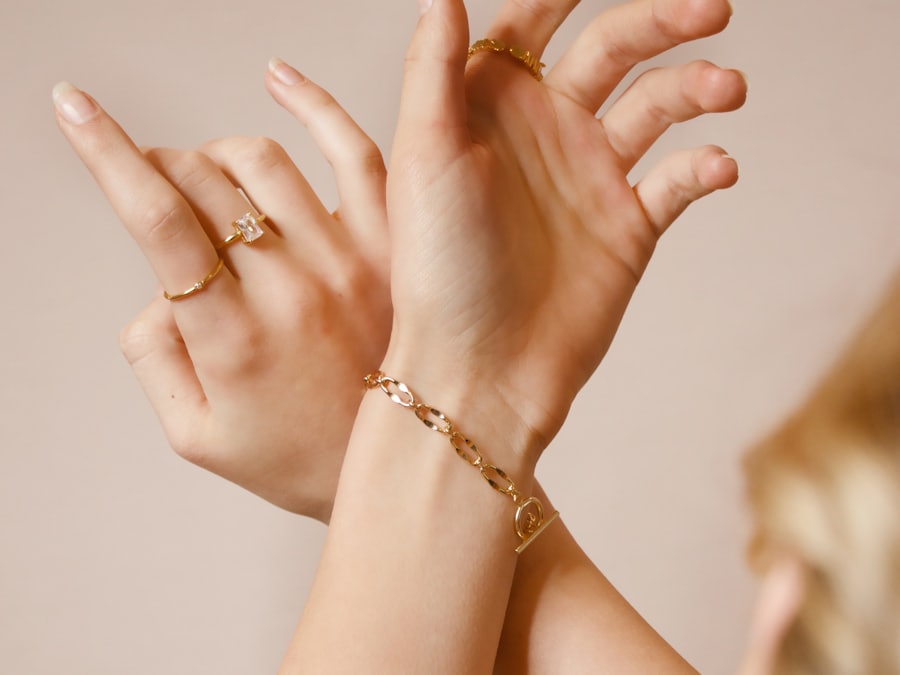
Necklace Length and Neckline: How 40, 45, 60 and 80 cm Meet Round, V and Turtleneck
Using five lengths, 40, 45, 50, 60, 80 cm, against round, V, turtleneck and more, a formula you can follow directly.
Gemstone Treatment and Reading the Report: Heat, Filling, Dye and What the Certificate Says
Line by line through the GIA, GRS and NGTC treatment boxes, the line between enhancement and treatment and the value effect.
Makeup
Technique before product: sequence, dosage, tools and the chemistry of a face that lasts.
View all 13 →Eye Makeup Basics: The Three-Shade Structure and Blend Boundaries
Build dimensional eye looks on a base, transition, and depth structure, and master the blend boundary and eye-shape adjustments you can actually copy.
Eyebrow Design: Mapping the Arch to Your Face Shape and Brow Color
From placing the arch by face shape and matching brow color to hair, to tweezing frequency and the stroke order, a complete method for brows that are actually yours.
The Complete Logic of Base Makeup: Order and Technique from Primer to Setting
From sunscreen and primer through concealer and powder, we break down the dosage, tools, and sequence of every step into a base routine that won't cake or patch.
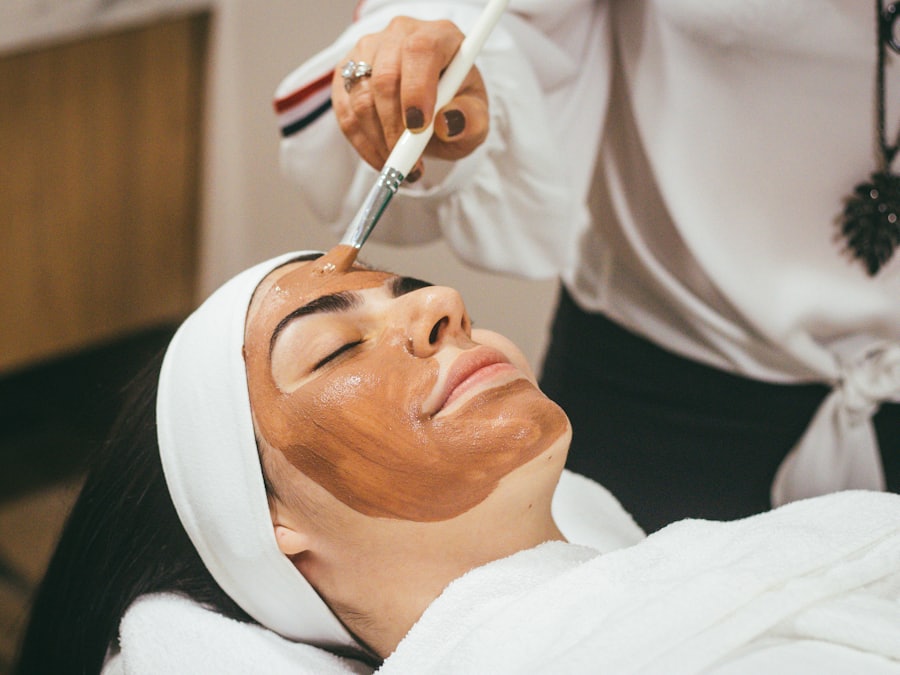
Makeup for Sensitive Skin: Ingredient Avoidance and Gentle Removal
List the irritants sensitive skin should avoid, the standards for low-irritation product choice, and a complete gentle-removal routine.
Skincare
Evidence-led skin care — actives, concentrations, tolerability, and knowing when to see a doctor.
View all 13 →How Moisturising Actually Works: Occlusives, Humectants, Emollients, and Ratios by Skin Type
Starting from natural moisturising factor and transepidermal water loss, this separates humectants, emollients, and occlusives, with concrete ratios for skin type and season.
Scalp and Hair: Oiliness, Dandruff and Shedding - Causes and a Care Routine
Oily scalp, flaking, and hair fall are different problems with different drivers. This separates them, covers what evidence supports, and where a clinician must step in.
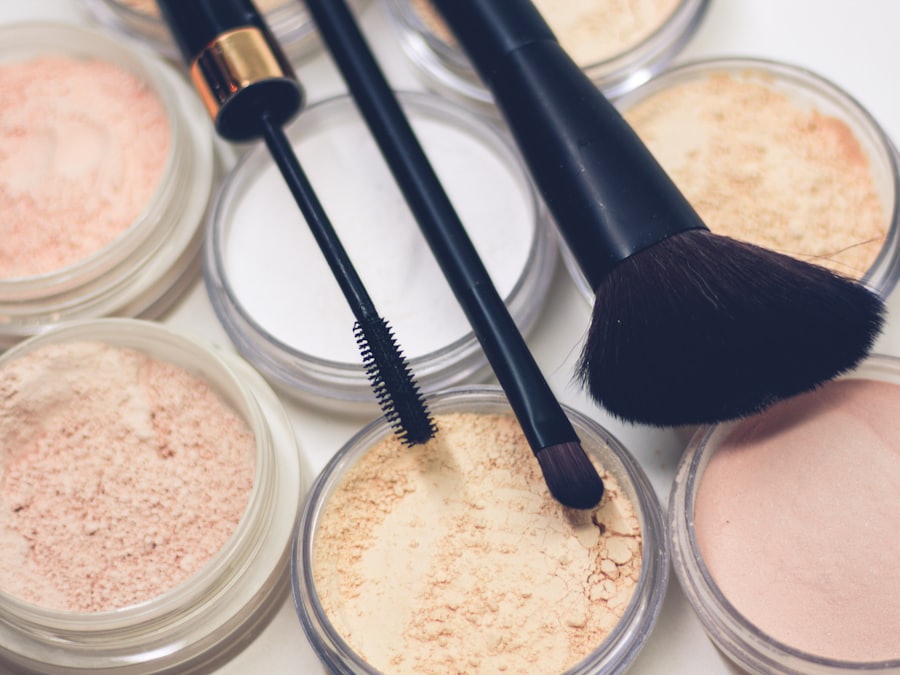
Where At-Home Devices Stop and In-Clinic Treatment Begins: Radiofrequency, IPL, Microneedling
Home RF, IPL, and microneedling pens are popular but bounded by safety law. This maps what each can realistically do and where only a clinician's energy and training change the outcome.

Hands and Nails: Hangnails, Dryness, and Nail Plate Damage
Hands age fastest and nails signal health. This covers preventing dryness and hangnails, protecting the nail plate, and the habits and signs that mean a clinician.
Fragrance
Structure, concentration and skin chemistry — smelling properly and buying accordingly.
View all 9 →How to Buy: Samples, Decants and the Full Bottle
A buyer's method for testing cheaply, avoiding fakes, and knowing the moment a full bottle is genuinely worth the money.
The Olfactive Families: How the Perfume Map Is Drawn
A field guide to citrus, floral, woody, oriental, fougère and chypre, and the systems perfumers use to place a scent on the wheel.

Fragrance for Occasions: Office, Evening, Ceremony and the Etiquette of Sillage
How to match scent to setting and navigate the unspoken rules of projection so your perfume pleases rather than imposes.
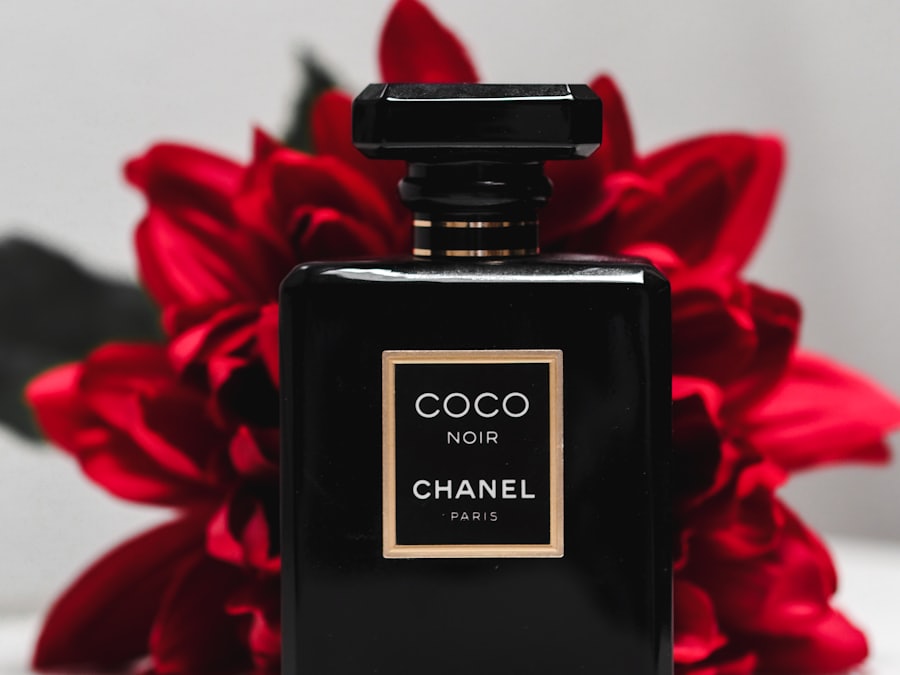
Top, Heart and Base: How a Fragrance Is Structured and Smelled
How the perfumer's pyramid unfolds across the day, and the disciplined method for smelling a scent without fooling yourself.
Bags & Shoes
Leather, hardware, lasts and heels — the objects that carry the weight, literally.
View all 13 →Hats and Face Shape: Crown, Brim, and Proportion
A hat is a frame for the face. Read crown height and brim width in centimetres against your shape, and the fedora, beret, bucket, and cap fall into place.
Belts: Strap Width, Buckle Scale, and the Waistline
A belt sets the proportion of the whole outfit. Get the strap width, the buckle scale, and the waistline height right, and the small errors disappear.
Eyewear and Face Shape: Lens, Bridge, and Temple
Glasses are measured, not admired, into place. The three millimetre numbers on the temple decide fit before the shape decides flattery.
Boots: Shaft Height, Calf Fit, and Leg Proportion
Shaft height in centimetres and calf circumference decide whether a boot flatters or fights you. Read the proportions before you buy the leather.
Fabric & Care
Fibre science and the domestic laundry: what stains are, what water does, what lasts.
View all 14 →Irons, steamers and pressing kit at three budgets
The pressing kit is the most-overlooked spend in a wardrobe. What to buy at three budgets, from a fifty-dollar starter to a workshop that outlasts the clothes.
Stain chemistry: treat the stain by its class
A stain is a chemical, and the wrong remover sets it forever. Sort stains into protein, tannin, oil, dye and combination, then attack each class with the chemistry that actually lifts it.
Cashmere and fine woollens: wash, store, protect
The most fragile and most loved fibres in the drawer. How to wash cashmere without felting it, de-pill it without thinning it, and store it where moths never find it.

Care symbols decoded: the five ISO families
Those little icons are a regulated language, not decoration. Learn the five ISO symbol families and you can build a domestic laundry routine that follows the cloth instead of fighting it.
Trends
Where the industry is going, what it costs, and how much of it you should actually buy into.
View all 6 →Virtual Try-On and the Limits of AI
Virtual fitting and AI stylists promise to end returns and bad buys; they measure shape and preference well, but miss fabric, fit nuance and the body's truth.

Sustainable Fashion, Without the Marketing Spin
Certifications promise clarity, but they certify narrow things; here is what GOTS, GRS, RWS and the rest actually verify, and what barely moves the needle.

Reading a Trend: How Forecasting Fails Us
Trend forecasting shapes what you are sold months before you want it; understanding its methods and blind spots lets you adopt what serves you and ignore the rest.

What a Garment Actually Costs, From Fibre to Rail
A USD 9 T-shirt rarely costs USD 9 to make; this is the full cost stack from raw fibre to retail rail, and why the markup looks the way it does.
One long read a week. No hauls, no hauls of links, no affiliate theatre.
A demonstration form on a static site — nothing is sent anywhere.