Vintage, Quoted Not Copied: Three Decades in Modern Proportion
What to borrow from the seventies, eighties and nineties, in what proportion, and where the line sits between reference and costume.
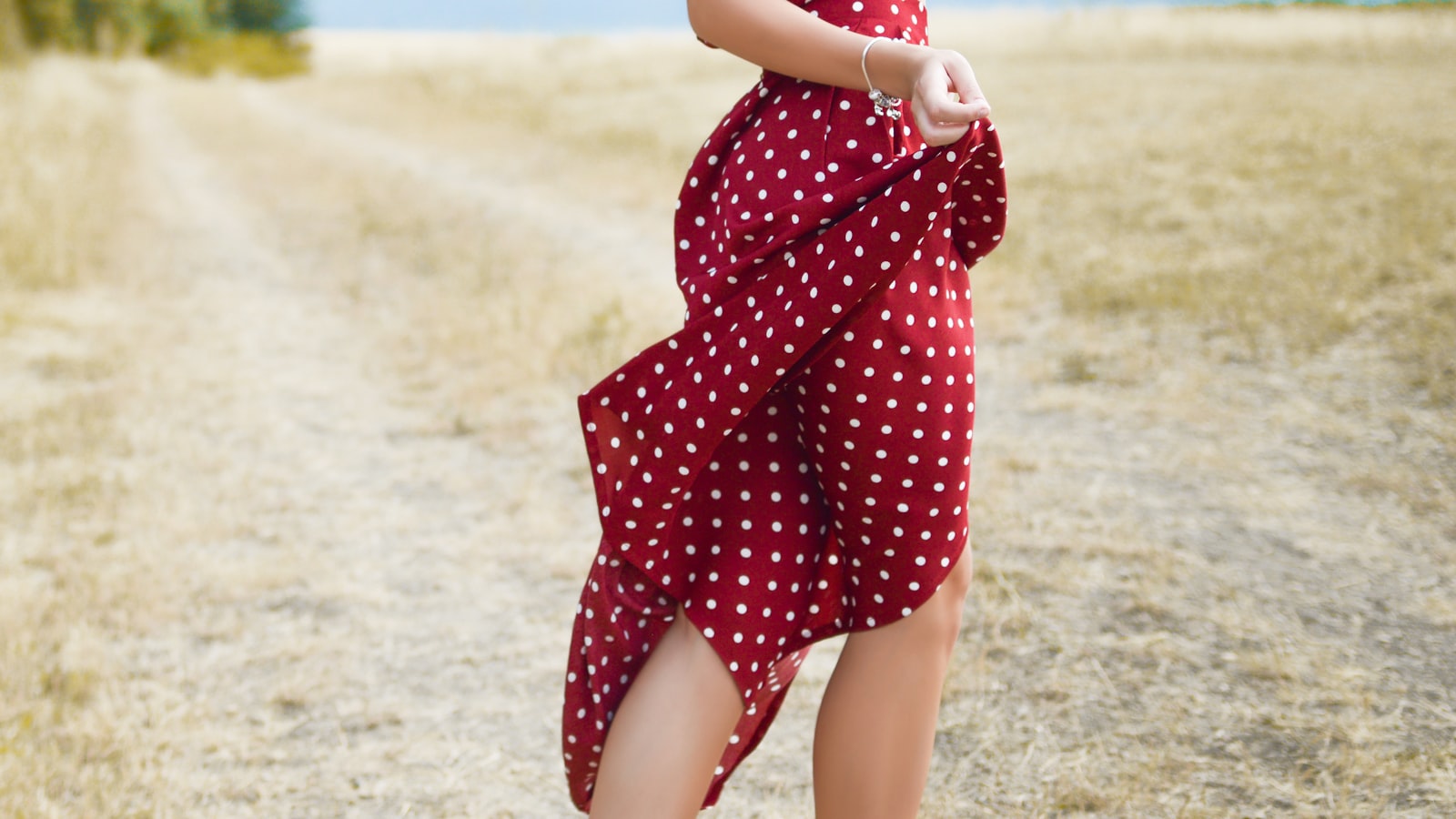
Vintage has come back around, and a great many people start by accidentally staging a production: full flares with a ruffled blouse, as though they walked off a set. Sophisticated vintage is quotation rather than replication. You take the temperament of a decade and land it with modern pieces, so the read is that you know your references rather than that you are performing them. It is taste rather than dress-up, and the distinction is that you are wearing the vintage instead of the vintage wearing you.
This piece breaks down what is genuinely worth borrowing from each of the seventies, eighties and nineties, the exact proportion for mixing with modern pieces, and a clear boundary for avoiding costume. The objective is period reference with judgement, with the old serving your present character rather than the reverse. The threshold in vintage is not quantity. It is the sense of proportion contained in one word, which is quotation.
Quotation, Not Replication
The governing principle: vintage elements hold thirty per cent of an outfit and modern pieces hold seventy, which lands the read at period-aware without time travel. Push the vintage past fifty per cent and the whole thing slides into costume. Drop below ten and it is merely coincidence. Thirty per cent is the sweet spot where the flavour is right and nobody is embarrassed, and a single degree either way makes it either false or flavourless, so the ratio functions as your fuse.
For example, a seventies flare with a modern white tee and clean white sneakers works because the trouser is the vintage element and everything else is current. Reverse it, stacking flares with a bohemian blouse and period sunglasses, and you have gone too far. Take the temperament, borrow one piece, control the proportion: those three instructions will rescue you from most vintage accidents, and repeating them in front of a mirror tells you which item to remove.
Self-check: photograph the finished outfit. If it reads as a themed party, you have overshot, so remove one or two vintage pieces. The sweet spot is thirty per cent vintage against seventy per cent modern.
- Vintage elements at thirty per cent, modern at seventy
- Past fifty per cent it becomes costume
- Borrow the temperament rather than replicating the whole look
The Seventies: Flares and Period Print
Two things are safe to borrow from the seventies: a slightly flared hem, meaning a subtle kick rather than a floor-sweeping bell, and a small period print, paisley or an abstract scattered floral. A subtle flare with a fitted modern top lengthens the leg without ageing you. Keep prints small in scale and low in saturation, and avoid the all-over large floral, which belongs on a stage rather than a street, because at that scale you shift from vintage into performance instantly.
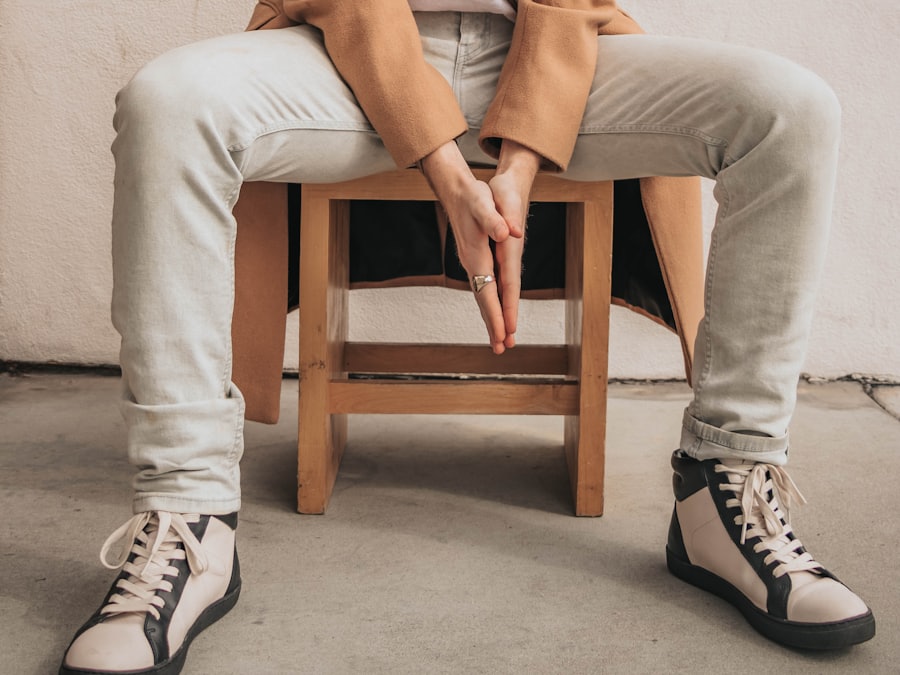
The seventies palette is available too, caramel, mustard and ochre, but let one piece carry it and keep everything else neutral. The temperament of the decade is ease and warmth, and containing that looseness with sharp modern pieces is what keeps it from looking dated. Vintage warmth needs a cold modern frame to read well, and one white tee or one white shoe is usually enough to hold the whole thing upright.
The seventies ledger: keep the flare to no more than about 5 cm of outward kick at the hem, choose prints small in scale and low in saturation, and let one piece carry the warm palette while the rest stays neutral.
The Eighties: Shoulder Line and Padding
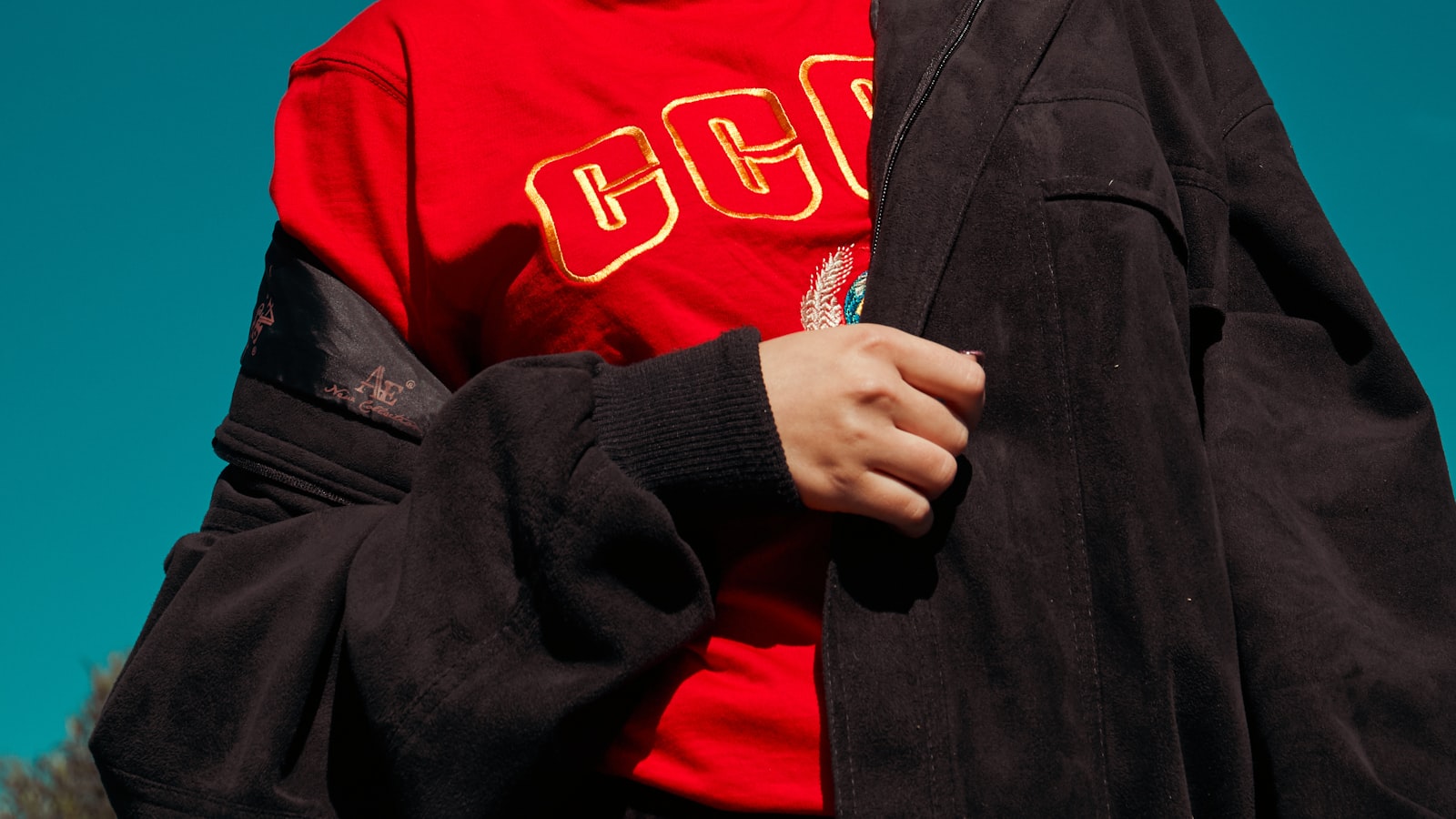
The eighties are defined by an architectural shoulder. The modern way to wear it is a lightly padded blazer rather than an exaggerated inverted triangle, so you keep the authority without the cartoon. Choose something plain and current underneath to reduce the period distance. A padded blazer with straight-leg denim is the classic conversation between the eighties and now, an old element worn a new way, with attitude and without looking like you are cast in a workplace drama.
The other borrowable element is a block of bright colour, held to one piece. The eighties tip into excess easily, so everything else must stay quiet and contemporary. The shoulder line is the attitude you borrowed, and there is no need to stack a puff sleeve or sequins on top of it, which would tip straight into costume. Take the structural confidence of the shoulder and stop, because you want the suggestion that you can hold a room rather than an entire decade worn at once.
The eighties formula: a lightly padded blazer rather than an exaggerated inverted triangle, one block of bright colour only, borrowing the shoulder's authority without adding puff sleeves or sequins.
The Nineties: Minimalism and Check
The nineties are the easiest entry point: minimal cut plus a collegiate check. Take one checked blazer or checked skirt, put a white tee and plain denim with it, and you have the decade's cool intellectual register immediately. Keep the check fine and classic and avoid oversized tartan, which is costume rather than clothing, because a fine check rewards close inspection while a large one is shouting a slogan from across the road.
The nineties also gave us the slip dress, and the modern handling is to layer a white tee or a heavy sweatshirt over it, so it reads as layers rather than exposure. This decade is closest to now, which makes it the most natural to wear, and beginners should build their instincts here before reaching for anything earlier. The nineties is the entry ticket to vintage, with the lowest probability of getting it wrong.
The nineties in short: fine dense check rather than oversized tartan, and a slip dress layered under a tee or a sweatshirt so it reads as layering. Its proximity to the present is what makes it wear naturally.
Where Modern Pieces Anchor
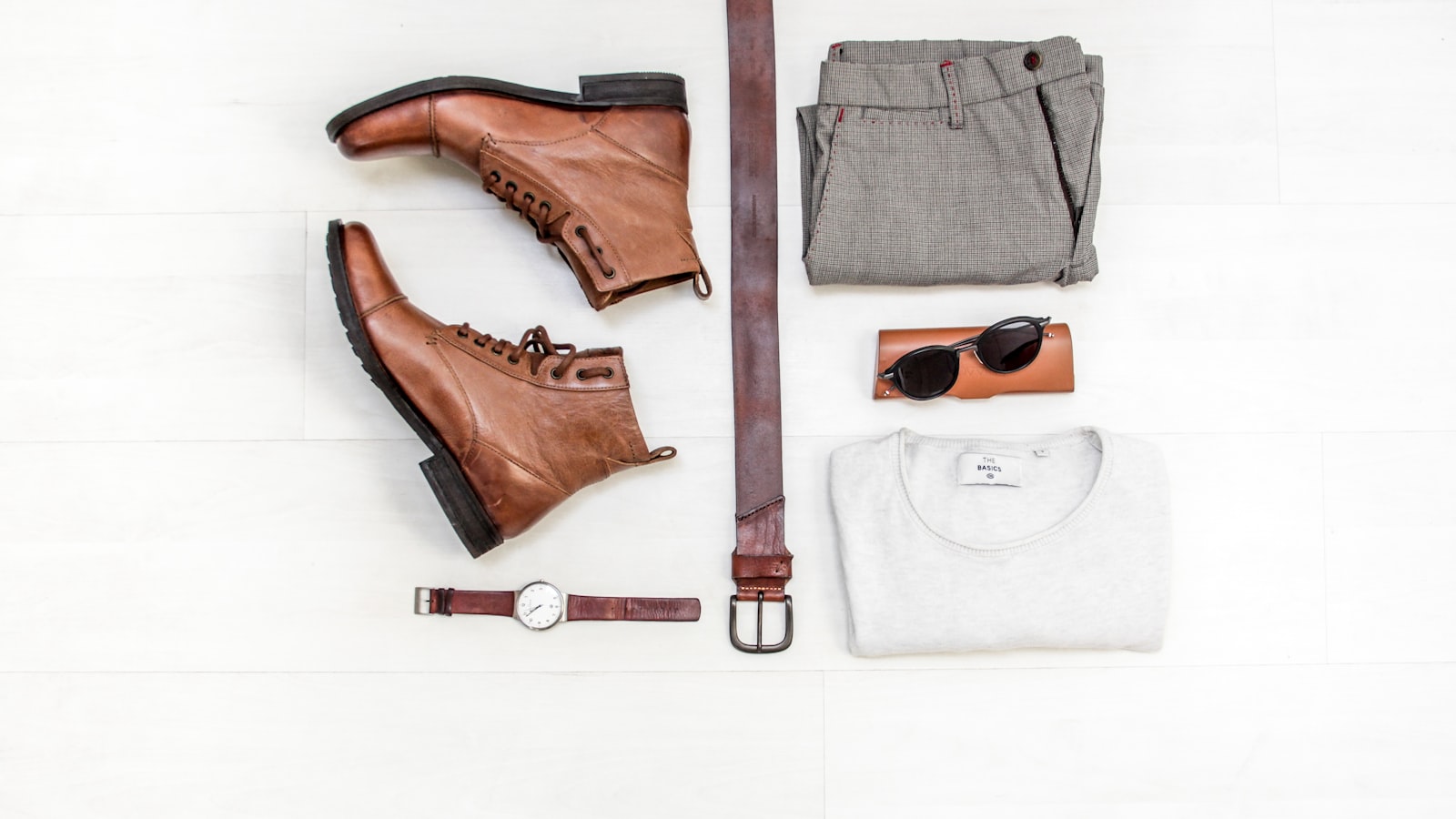
Vintage pieces need modern anchors to stay grounded, and the most reliable anchors are the shoe and the bag: a vintage flare with current white sneakers, a vintage checked skirt with a minimal tote, so period feeling is pulled back to the present. Reverse it, vintage shoes with vintage clothes, and the whole thing floats away, like a photograph taken against the feature wall of a themed café, with you in the present and your clothes somewhere else.
The other anchor is fabric: take a period print in a modern fluid cloth, so an old pattern arrives with a new hand. The essence of mixing is that the viewer sees you first and catches the decade second, and that order cannot be reversed, because reversed it becomes an impersonation rather than an outfit. You remain the subject of the sentence, and the decade is only one of its modifiers.
The anchoring ledger: modern shoes and bags pull the outfit back to the present, period prints work in modern fluid cloth, and the person is seen before the decade. Reverse the order and it becomes impersonation.
- Modern shoes and bags anchor the outfit to now
- Period prints in modern fluid fabric
- The person is seen first, the decade second
The Boundary Against Costume
A few clear boundaries. No more than two types of vintage element per outfit, so flares plus a print is already two and that is sufficient. Keep hair and makeup contemporary rather than adding period curls and going fully into another era. One or two accessories to make the point is enough, and a complete set of period jewellery amounts to wearing the box, at which point what people remember is the decade rather than you.
The most practical self-check is to look in the mirror and ask whether this resembles going to a themed party. If the answer is yes, remove one or two vintage pieces. The mark of good vintage is that people say you look interesting today rather than naming the year you are impersonating. The distance between those two remarks is the distance in skill, and it is the line between fashion and costume.
The boundary numbers: no more than two types of vintage element, hair and makeup kept contemporary, and pieces removed the moment you cross the line. The difference between those two remarks is the difference in craft.
Caring For and Renewing Vintage
Have a second-hand blazer dry-cleaned when you buy it and the shoulder line pressed back in. If the old padding has collapsed, a tailor can fit a thin replacement and the whole garment revives. Denim improves with wear, so wash it rarely, turn it inside out and use cold water to hold the colour, and after three years it will have more character than anything bought new. Care determines how long a vintage piece stays with you.
Renewal techniques: swap plastic buttons for mother-of-pearl, patch a whitened collar edge with matching embroidery, take the hem up two centimetres to suit current proportion. The value of a vintage piece is in the sense of time rather than the state of disrepair, so repair the damage and keep the age. Distinguish clearly between the two and your second-hand pieces will increasingly look as though they were made for you.
Stated once: vintage rests entirely on quotation. Borrow the temperament, hold the thirty per cent ratio, land it with modern pieces, and when people say you look interesting rather than naming a year, you have crossed from passable into skilled.
One more thing: when hunting second-hand, feel the cut before asking the year. A good cut is worth having even if it is old, roughly $60 to $180 for a decent wool blazer, whereas a collapsed one is worthless however recent it is, because what you are buying is the shoulder rather than the date on the label.
Once you can handle that thirty per cent instinctively, the past becomes genuinely part of your character rather than a costume worn over it.
Practical checklist
- Hold vintage elements at thirty per cent against seventy per cent modern, since past fifty it reads false
- Borrow a subtle flare and a small print from the seventies, letting one piece carry the warm palette
- Use a lightly padded blazer for the eighties, without stacking puff sleeves or sequins on top
- Enter through the nineties with a checked blazer or a slip dress, the most reliable starting point
- Anchor with modern shoes and bags, and keep hair and makeup firmly in the present
The whole discipline of vintage lives in the word quotation. Borrow the temperament of a decade, hold it at thirty per cent, land it with modern pieces, and what you get is taste rather than performance. Judge the result by what people say: you look interesting today is a pass, you are dressed as a particular year means remove something. Genuine vintage makes the past serve your present character instead of trapping you inside it, and you remain the subject while the decade stays a modifier.
Frequently asked
Where do you find vintage that is not expensive?
Do warm vintage tones work on deeper or olive complexions?
Keep reading
More Styling
Dressing Petite: Division Points, Waist Placement and What Shoes Actually Do
Hem lengths by height, an exact waistline position and shoe choices that extend the leg, all measurable and all repeatable.
Dressing for Interviews: Industry Calibration and the First Seven Seconds
Calibrate formality to the industry, work the variables that genuinely shape a first impression, and run a checklist before you leave.

Minimalism Without Blandness: The Three Compensations
Cut supplies shape, material supplies substance, detail supplies sincerity, and together they fill the space that subtraction leaves behind.