Shrinkage, pilling and fading: the mechanisms
Three failures, three mechanisms, and the prevention that is not folklore. Why cloth shrinks, why it balls, and why colour leaves, plus the steps that actually keep a garment whole.

Shrinkage, pilling and fading are the three ways a garment ages in plain sight, and they are routinely blamed on 'cheap cloth' when the real cause is a known mechanism meeting a preventable habit. Shrinkage is relaxation or felting; pilling is fibre migration and abrasion; fading is light or wash fastness failing on the ISO grey scale. Each is measurable, each has a standard, and each responds to a specific change in care.
This article explains the mechanisms and then the prevention that actually works, drawing on the Martindale and Wyzenbeek abrasion tests, the ISO 1-to-5 and 1-to-8 fastness ratings, and the simple physics of a tumble dryer. The aim is to replace superstition with a short list of habits that keep cloth at its size, smooth and coloured for years instead of months.
Shrinkage: relaxation and felting
There are two kinds of shrinkage and they feel identical but are not. Relaxation shrinkage is the yarn remembering its unstretched state; cotton and linen yarns relax and the weave tightens the first time they meet water and heat, typically a few percent, removed by sanforising at the mill. Felting shrinkage is unique to wool and other scales: hot water plus agitation makes the cuticle scales interlock and the cloth contracts and thickens, and it is irreversible. A wool sweater shrunk in a hot machine is physically a different object.
Prevention is mechanical, not chemical. Wash cotton at the temperature the label allows and buy sanforised cloth to avoid relaxation; wash wool cool with minimal agitation and a wool detergent to avoid felting. Tumble heat accelerates both, so flat- or line-dry wool and dry cotton on low. The dryer is the common amplifier: a 40-degree wool load is fine until the hot tumble felts it. Control heat and motion and shrinkage stops being a surprise.
- Relaxation: yarn remembers stretch, a few percent, fixed by sanforising
- Felting: wool scales lock under heat plus agitation, irreversible
- Control heat and motion; the dryer amplifies both kinds of shrink
Pilling: fibre ends that migrate and abrade
Pilling is the migration of loose fibre ends to the surface, where friction balls them into the familiar lint nodules. It is worst on soft, loose, short-staple yarns, which is why a brushed cotton sweat and a cosy lambswool pill more than a tightly woven poplin. It is not a sign of bad fibre; even cashmere pills because its short fine staple is easily abraded, and the pills are simply the loose ends working free.
Abrasion resistance is quantified by the Martindale test for European apparel and upholstery and the Wyzenbeek test for North American upholstery, both counting rub cycles to a defined wear or hole. A cloth rated 20,000 Martindale rubs is domestic-durable; 100,000 plus is contract grade. At home, pilling is reduced by washing knits inside out in a mesh bag, using liquid not powder, and avoiding the tumble's friction. Remove established pills with a comb or electric depiller; they stabilise after a few washes as the loose ends are gone.
Pilling is not a defect of the fibre; it is the loose ends keeping an appointment with friction.

Fading: rub, wash and light fastness
Colour leaves by three routes, each with its own ISO fastness rating on a grey scale. Rub fastness, ISO 105-X12, measures colour transferred by crocking, dry and wet, rated 1 poor to 5 excellent. Wash fastness, ISO 105-C, rates colour loss and staining of adjacent cloth from 1 to 5. Light fastness, ISO 105-B, uses blue wool standards rated 1 to 8, where 8 withstands prolonged sun. A garment that fades at the shoulder is failing light fastness; one that bleeds onto its neighbour fails wash fastness.
Prevention follows the rating. Wash dark and light separately, turn garments inside out to cut rub and light exposure in the drum, use cool water which slows dye migration, and keep coloured cloth out of direct sun in storage and on the line. Chlorine bleach destroys most dyes outright; oxygen bleach is gentler but still costs some fastness. A low light-fastness dye cannot be helped at home except by shade, but rub and wash fading are largely managed by cool, gentle, separated washing.
- Rub fastness 1-5 by crocking; wash fastness 1-5 by bleed
- Light fastness 1-8 by blue-wool standards; 8 is sun-proof
- Cool, gentle, inside-out, separate: manage rub and wash fade at home
The standards that separate marketing from fact
Martindale and Wyzenbeek numbers let you compare a sofa or a chore jacket on abrasion without trusting the word 'durable'. A knit rated 10,000 Martindale is apparel-light; a canvas at 50,000 is workwear. Fastness ratings tell you whether a colour will survive a summer window or a shared wash. Brands that publish these numbers are telling you the truth; brands that do not are hoping you will not ask.
For the buyer, the practical move is to treat a published 30,000-plus Martindale or a 7-to-8 light fastness as a real specification and a vague 'colourfast' claim as noise. The standards exist so that a tailor in Lisbon and a mill in Osaka mean the same thing by 'hard wear', and using them turns care from guesswork into a managed property of the cloth.
Prevention that actually works
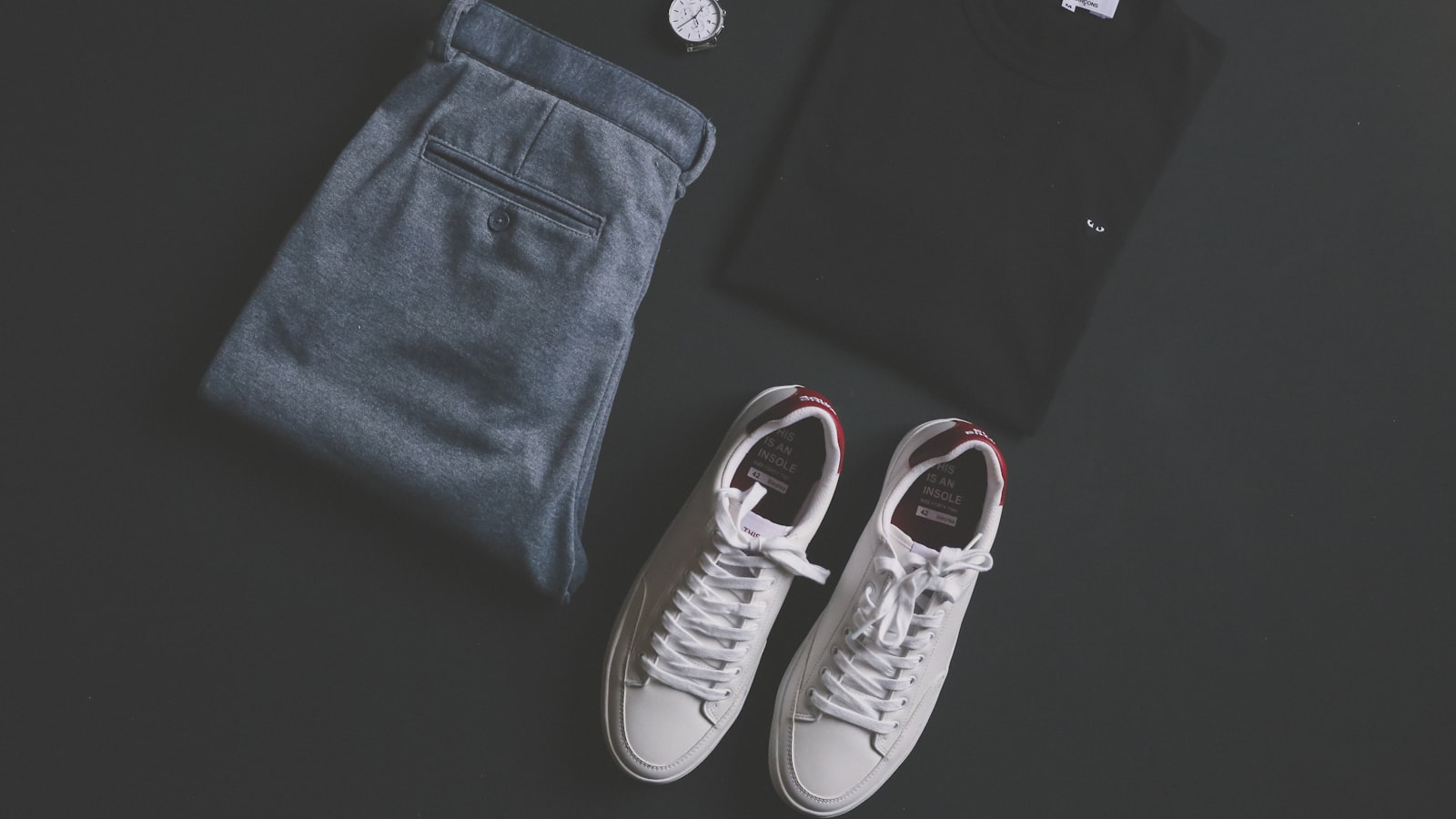
The habit list is short. Wash cool, sort by colour and symbol, turn garments inside out, use a mesh bag for knits and delicates, skip chlorine, line- or flat-dry wool and synthetics, and tumble only sturdy cotton on low. Depill with a comb after the first few washes. Keep coloured cloth from direct light in storage. None of this costs money; it costs attention, and the return is a wardrobe that holds size, surface and colour.
The folklore to discard: that freezing kills pills, that salt 'sets' colour in the first wash, that vigorous rubbing cleans better. None holds. Pills are mechanical and abraded off; salt does nothing for dye; rubbing drives stains and fades cloth. Replace the myths with the mechanisms and the care writes itself, and the garment lasts long enough to be worth the original price.
When the damage is already done
Some change is reversible, some is not. Relaxation shrinkage can be blocked back by a tailor with steam; felting cannot, and a felted wool is best reclassified as a child's size or felting project. Pills comb off and stabilise. Faded colour can be refreshed with garment dye on cellulose, though protein takes dye poorly at home and may need a professional. A rub-fastness failure that has already stained a neighbour is set.
The lesson is that prevention is cheap and correction is rare, so the few habits above are worth more than any rescue product. A wardrobe aged by mechanism rather than accident is a wardrobe that still fits, still feels smooth and still carries its colour, and that is the whole point of understanding the three failures rather than fearing them.
Diagnosing the failure already on the cloth
When a garment has already changed, the failure names its cause and the cure. A uniform shrink across the weave with a thickened hand is felting, irreversible, and the cloth is now a smaller size by chemistry. Local balls at the cuff are pilling, mechanical and removable. A fade at the shoulder is light fastness failing; a fade that transferred to the neighbour is wash fastness; a brown ring that appeared after heat is protein set by the dryer. Each tells you what to stop doing.
The diagnosis directs the next wash. Felting means wool stays cool and flat forever; pilling means mesh-bag and inside-out; light fade means shade in storage and on the line; wash fade means separate and cooler. Reading the damage turns a mystery into a correction, and the correction is usually a single habit changed. The cloth that fails by a known mechanism is the cloth you can stop failing again, and the post-mortem is the cheapest lesson in the laundry. Keep a small 'fault log' for the wardrobe: a note of what failed and what changed, because the pattern across garments is the pattern of your habits. A run of felting means the wool cycle is wrong; a run of fade means the line is in sun. The log turns repeated loss into a single corrected setting, and the cloth stops paying for the same lesson twice.
- Uniform shrink plus thick hand: felting, irreversible, cool-wash only
- Balls at cuffs: pilling, comb off, mesh-bag next wash
- Shoulder fade: light fastness, move cloth out of direct sun
Practical checklist
- Wash wool cool with low agitation and flat-dry it; heat plus motion is the felting recipe.
- Buy sanforised cotton or accept a little relaxation shrinkage and size up if it matters.
- Turn garments inside out and mesh-bag knits to cut pilling and rub-fastness loss.
- Wash cool and separate colours; chlorine bleach destroys dye and is rarely worth it.
- Depill with a comb after the first washes; the loose ends stabilise and stop balling.
Shrinkage, pilling and fading are not acts of fate but three named mechanisms with three named preventions. Relaxation and felting shrink cloth by heat and motion; fibre ends abrade into pills by friction measured on the Martindale and Wyzenbeek scales; colour leaves by rub, wash and light fastness scored on the ISO grey scale from 1 to 5 and 1 to 8. The care that works is mechanical and unglamorous: cool water, gentle cycle, inside out, mesh-bagged, line- or flat-dried, chlorine-free, shade-stored. The myths, freezing, salt, scrubbing, do nothing. Learn the mechanism, apply the matching habit, and the garment keeps its size, its surface and its colour long enough to justify the cloth it was cut from.
Frequently asked
My cashmere pills badly; is it fake or just cheap?
Keep reading
More Fabric & Care
Irons, steamers and pressing kit at three budgets
The pressing kit is the most-overlooked spend in a wardrobe. What to buy at three budgets, from a fifty-dollar starter to a workshop that outlasts the clothes.
Stain chemistry: treat the stain by its class
A stain is a chemical, and the wrong remover sets it forever. Sort stains into protein, tannin, oil, dye and combination, then attack each class with the chemistry that actually lifts it.

Cashmere and fine woollens: wash, store, protect
The most fragile and most loved fibres in the drawer. How to wash cashmere without felting it, de-pill it without thinning it, and store it where moths never find it.