What a Garment Actually Costs, From Fibre to Rail
A USD 9 T-shirt rarely costs USD 9 to make; this is the full cost stack from raw fibre to retail rail, and why the markup looks the way it does.
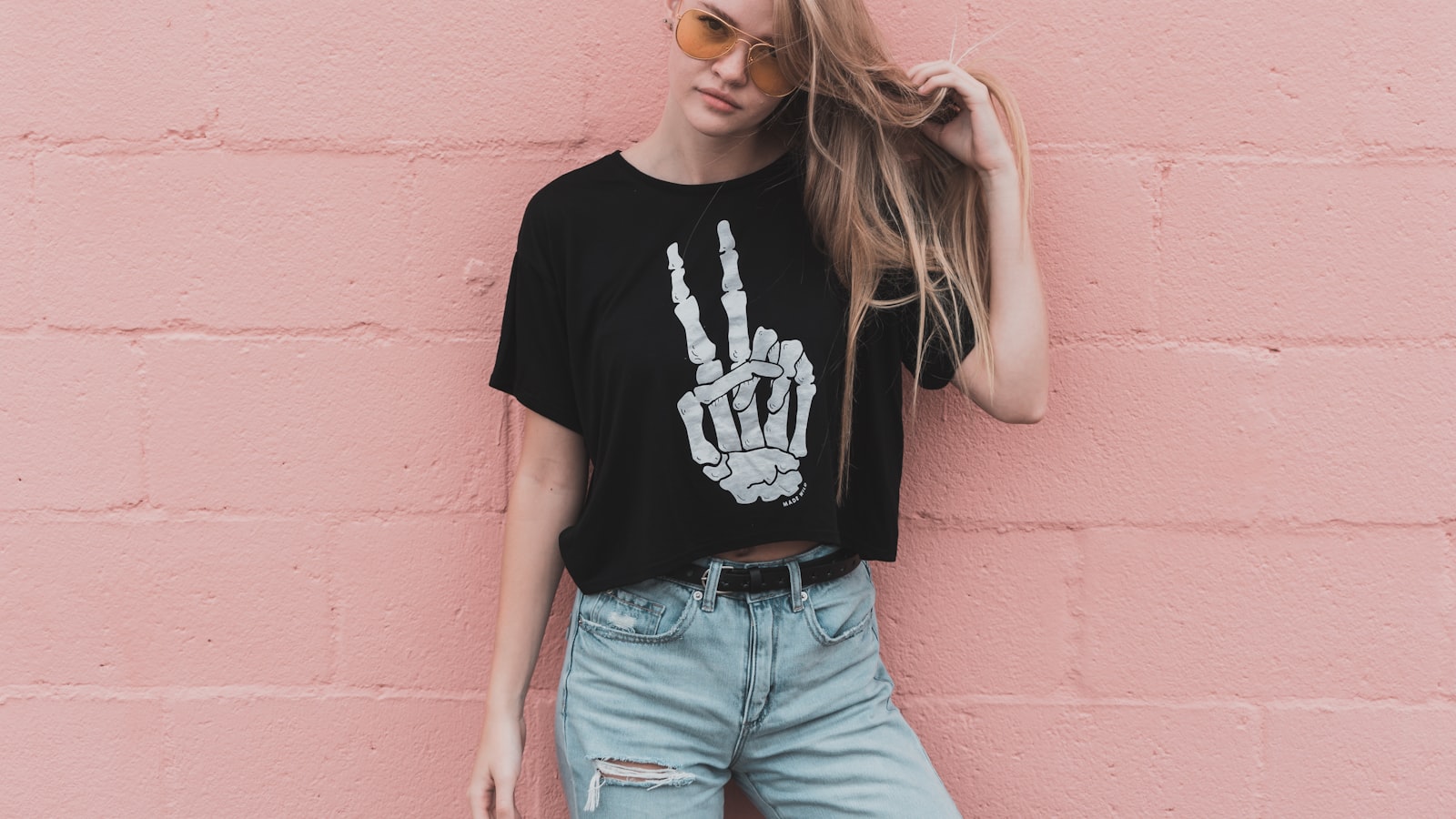
A cotton T-shirt priced at USD 12 in a high-street window did not begin its life at USD 12. Its journey started as seed and soil, passed through a gin, a spinner, a knitter, a dyehouse, a cut-and-sew unit, a freight forwarder and a distribution centre before it ever reached a rail. Each step carries a cost, and each cost is real even when the price tag suggests otherwise. The gap between what a garment costs to make and what it costs to buy is not a mystery or a scandal in itself; it is the product of a long, legible chain of inputs, markups and risk buffers that most shoppers never see.
Understanding that chain matters because it reframes the conversation about cheap clothing. Cheap is not the absence of cost; it is cost shifted backward onto fibre farmers, factory workers and the environment, or forward onto markdowns and unsold inventory. This article unpacks a single, representative garment, an industry-typical women's woven blouse, and traces every dollar from fibre to rail, including the portions most brands never print on a receipt.
The fibre and yarn layer
At the base of every garment sits the fibre. For an industry-typical woven blouse in 100% viscose or polyester, the fabric alone accounts for roughly 30 to 45 percent of the ex-factory cost. A greige, undyed woven fabric might run USD 1.80 to 3.50 per linear metre depending on weight and composition, and a blouse consumes about 1.4 to 1.8 metres. That puts raw cloth at roughly USD 2.50 to 6.30 per unit before a single stitch is sewn. Natural fibres are rarely cheaper: a mid-weight cotton shirting at USD 3.50 to 6.00 per metre yields a similar per-garment cloth cost once cutting waste of 12 to 18 percent is included.
Yarn and spinning add a second, quieter cost. Spun and knitted yarns are priced by the kilogram, and a blouse uses perhaps 180 to 260 grams of fibre. The spread between commodity fibre and finished yarn reflects energy, machinery depreciation and the mill's margin. At industry-typical rates, that conversion adds USD 0.40 to 1.10 per garment, small in isolation but compounding with every upgrade a brand chooses at the design stage, from combed cotton to closed-loop lyocell.
Trims, labour and the cut-make-trim floor
Trims are the line items that surprise people. A blouse needs thread, labels, buttons or a zip, interfacing at the collar, and a care tag, each sourced, specified and quality-checked. Industry-typical trim packs for a woven top land between USD 0.60 and USD 2.40 per unit, with premium hardware pushing higher. Then comes cut-make-trim labour. A simple woven blouse takes an industry-typical 18 to 32 minutes of direct sewing time; at a factory wage of USD 0.12 to 0.45 per minute all-in, wages plus line supervision and overhead, that is USD 2.20 to 14.40 of labour per piece. The range is wide because country, automation and order size vary enormously.
Overheads sit on top of wages and are easy to forget. Factory electricity, machine maintenance, compliance auditing, rejected units and the cost of financing 60 to 90 day payment terms all load onto the unit. A garment quoted at USD 7.50 FOB, the price at the factory gate, typically carries USD 1.50 to 2.50 of hidden overhead before it is boxed for export. None of this is profiteering; it is the operating cost of a compliant, functioning plant, and it is the part of the price least often discussed in public.

Freight, duties and the landed cost
Freight turns an ex-factory price into a landed one. A 40-foot container from a major Asian apparel hub to a US or European port costs, at industry-typical 2024 to 2025 rates, roughly USD 2,800 to 6,500 depending on lane and season. Spread across the 40,000 to 90,000 garments a full container can hold, that is USD 0.05 to 0.18 per unit for ocean freight, deceptively small and far higher during the spikes of 2021 to 2022 when per-unit freight briefly reached USD 0.40 to 0.90. Air freight, used for replenishment and fast fashion, multiplies this ten to thirty times.
Duties then apply at the border. The US import duty on most woven cotton and man-made-fibre blouses sits near 12 to 16.5 percent of declared value, while the EU's tariff is typically 12 percent. A blouse with a USD 9.00 declared FOB value therefore attracts about USD 1.10 to 1.50 of duty. Brands also carry last-mile domestic freight, warehousing and the shrinkage of damaged or lost stock, adding another USD 0.30 to 0.80 per unit before a single item reaches a shop floor.
Markup, markdown and the risk buffer
Here is where the number most people remember, the retail price, is built. A brand or retailer applies a wholesale or retail margin to the landed cost. In industry-typical fashion math, a wholesale margin of 2.2 to 3.0 times the landed cost is common, and a retailer then marks up a further 2.0 to 2.6 times at retail. A blouse that cost USD 12.00 landed might thus be priced at USD 55 to 80 at full retail, before any discount. The multiple is not greed encoded; it covers the 20 to 40 percent of seasonal stock that will be marked down, the returns that come back worn or damaged, and the marketing that made the rail visible at all.
Markdown allowance is the quiet tax on the whole system. Industry-typical apparel brands plan for 25 to 45 percent of units to sell below full price by season's end, and the expected discount is baked into the initial ticket. That is why a garment on sale at 40 percent off can still be profitable: its full price was built to absorb the haircut. The markup, in other words, is partly an insurance premium against the garment's own uncertain future, and the premium is paid by every full-price buyer.
Where the money actually lands
Add the layers and the picture clarifies. For our industry-typical blouse, the full cost stack might read approximately: fabric USD 4.50, trims USD 1.20, labour USD 5.50, factory overhead USD 2.00, freight USD 0.30, duty USD 1.30, landed USD 14.80, retail ticket USD 69.00. Of that ticket, the material and making together are roughly 20 to 25 cents on the dollar; the rest is logistics, markup, markdown cover and brand cost. Knowing this lets a shopper ask better questions, not is this too cheap but where, exactly, is my money going, and what did it buy.
The answer is rarely that workers are underpaid across the board, though that happens, or that brands are uniformly greedy, though some are. It is that a garment is a distributed object, made by many hands and moved through many ledgers, each taking a slice. The slice that reaches the sewer is often the smallest and the most scrutinised; the slices that reach freight, rent, marketing and markdown cover are larger and far less visible to the person at the rail.
- Fabric and trims are roughly 20 to 25 percent of the retail ticket
- Cut-make-trim labour is often under 10 percent of ticket price
- Markdown cover and brand costs dominate the remainder of the price
What a higher price can and cannot buy
A higher price tag does not automatically mean a better-made or more ethical garment, but it does change the math in ways worth naming. When the retail ticket rises, the absolute dollars available for fabric and labour rise with it, and a brand that chooses to spend them there can buy heavier cloth, reinforced seams and slower, more careful sewing. Yet many premium garments simply carry a larger marketing and margin slice rather than a larger making slice. The differentiator is not price alone but how much of the price is allocated to the garment versus the story around it.
The practical test is transparency. Brands that publish cost breakdowns, supplier lists and material weights give a shopper the evidence to judge whether a USD 120 blouse is fairly allocated or merely expensively marketed. Where that data is absent, price becomes a weak signal, and the only reliable move is to assess the garment itself: fabric hand, seam density, hardware quality and the care with which it was finished. The ticket is a hint, not a guarantee.
Price is a ledger, not a verdict; read it and the markup becomes a choice.
Reading a price tag like an analyst
The habit worth building is to read a ticket as a budget, not a verdict. A USD 15 blouse and a USD 150 blouse are both real economic objects; the first shifts cost onto someone earlier in the chain or onto thinner materials, the second may or may not return more of its price to the people who made it. Neither is automatically virtuous or vicious. What matters is whether the allocation is honest, and whether the garment will be worn enough times to justify whatever was spent to produce it.
Cost, in the end, is a story about distribution. The number on the rail is the last line of an accounting that began with a seed or a pellet of plastic, and every step between added a cost and took a cut. To dress well and spend well, you do not need to reject the markup; you need to understand it, and to decide, consciously, which parts of it you are willing to pay for.
Practical checklist
- Ask brands for a published cost breakdown before assuming a high price means high quality.
- Compare fabric weight and composition, not just the ticket, when judging value.
- Treat the full retail price as including a built-in markdown allowance.
- Buy off-season or end-of-line to capture the discount the ticket already planned for.
- Learn the FOB-versus-retail gap so freight and duty stop feeling like mysteries.
A garment's price is not a single decision but a distributed one, made by spinners, sewers, freight brokers, customs officers and retail buyers in sequence. To understand it is to stop asking whether clothing is too cheap or too expensive in the abstract and start asking where each dollar travels. The most useful shift a shopper can make is from price as moral verdict to price as ledger: readable, question-able and, eventually, choosable. Dress well and spend well, and the markup stops being a mystery and becomes a choice you make with open eyes.
Frequently asked
Why does a shirt that costs a few dollars to make sell for fifty?
Keep reading
More Trends
Virtual Try-On and the Limits of AI
Virtual fitting and AI stylists promise to end returns and bad buys; they measure shape and preference well, but miss fabric, fit nuance and the body's truth.

Sustainable Fashion, Without the Marketing Spin
Certifications promise clarity, but they certify narrow things; here is what GOTS, GRS, RWS and the rest actually verify, and what barely moves the needle.

Reading a Trend: How Forecasting Fails Us
Trend forecasting shapes what you are sold months before you want it; understanding its methods and blind spots lets you adopt what serves you and ignore the rest.