Wedding Guest Dressing: Colour, Fabric and the Hour of the Day
The colours to avoid, the fabrics that read respectful, and how daytime, evening, indoor and outdoor each change what is appropriate.

The worst outcome as a wedding guest is not looking unremarkable. It is inadvertently competing with the bride or walking into a cultural rule you did not know existed. The first principle of guest dressing never changes: support, do not lead. Most missteps come from not knowing the conventions of the occasion, because the same outfit that is entirely correct outdoors at two in the afternoon can read as a lapse indoors at eight in the evening, and the whole difference is a matter of degree.
This piece works through colour prohibitions, the fabrics that signal respect, and the differences imposed by hour and venue, producing a guest dressing map you can follow item by item. The aim is to look appropriate without ever crossing a line, delivering your congratulations without taking a single frame that belongs to someone else. A wedding is another person's high point, and your composure is the better gift, more graceful than any expensive dress.
The Colour Map
Two general prohibitions. Pure white and anything adjacent to it, off-white and near-white champagne included, belongs to the bride, so avoid it. All-black is associated with mourning in parts of both Western and East Asian practice, so wearing it unrelieved requires care. Red is frequently the bride's colour at traditional East Asian weddings while being entirely acceptable at a Western evening reception, so the couple's background decides it and your own habits do not. The safest move is to ask, or read the invitation carefully.
The reliable range is muted mid-value colour: the Morandi family, dusty blue, rose-beige, deep spruce, soft lilac. All read as celebratory without competing. If you are genuinely unsure, ask the bride directly or follow the stated dress code. The guest rule on colour is to be bright enough to look glad, never white enough to compete, and that restraint is the clearest respect you can offer, because stepping back is what allows the couple's own light to hold.
Self-check: look at yourself from a distance. If the first impression is either bridal or funereal, you have crossed a line, so change out of the pure white or the unrelieved black and into a muted safe colour.
- Avoid pure white and anything close to it
- Treat all-black with caution and read the cultural context
- Red is often bridal in East Asia and acceptable at Western receptions
- Safe range: Morandi tones, dusty blue, rose-beige, deep spruce
Fabric and Degrees of Formality
Guest fabric should signal respect without outranking the principals. Silk, acetate and fine worsted wool all read appropriately formal. Heavy sequinning, large paillettes and a floor-sweeping train belong to the bride and the wedding party, so leave them alone. Chiffon and satin are elegant and difficult to get wrong, drape well and photograph expensively, which makes them the band a guest should be betting in: correct without ever upstaging.
Weight has its own etiquette. Anything sheer needs lining, anything heavy reads leaden. Choose light fabric for daytime, which also breathes, and move to velvet or jacquard in the evening for a little more substance. Fabric is the cheapest way for a guest to express seriousness, more reliable than pattern and much less likely to accidentally cross the line into formalwear territory, since the right cloth already settles half the question of degree.
The fabric ledger: about seventy per cent silk or acetate and thirty per cent chiffon is the safest blend of registers, and heavy sequins and trains are for the couple. Guests who overstep here are the ones who most often cause offence.
Daytime Against Evening
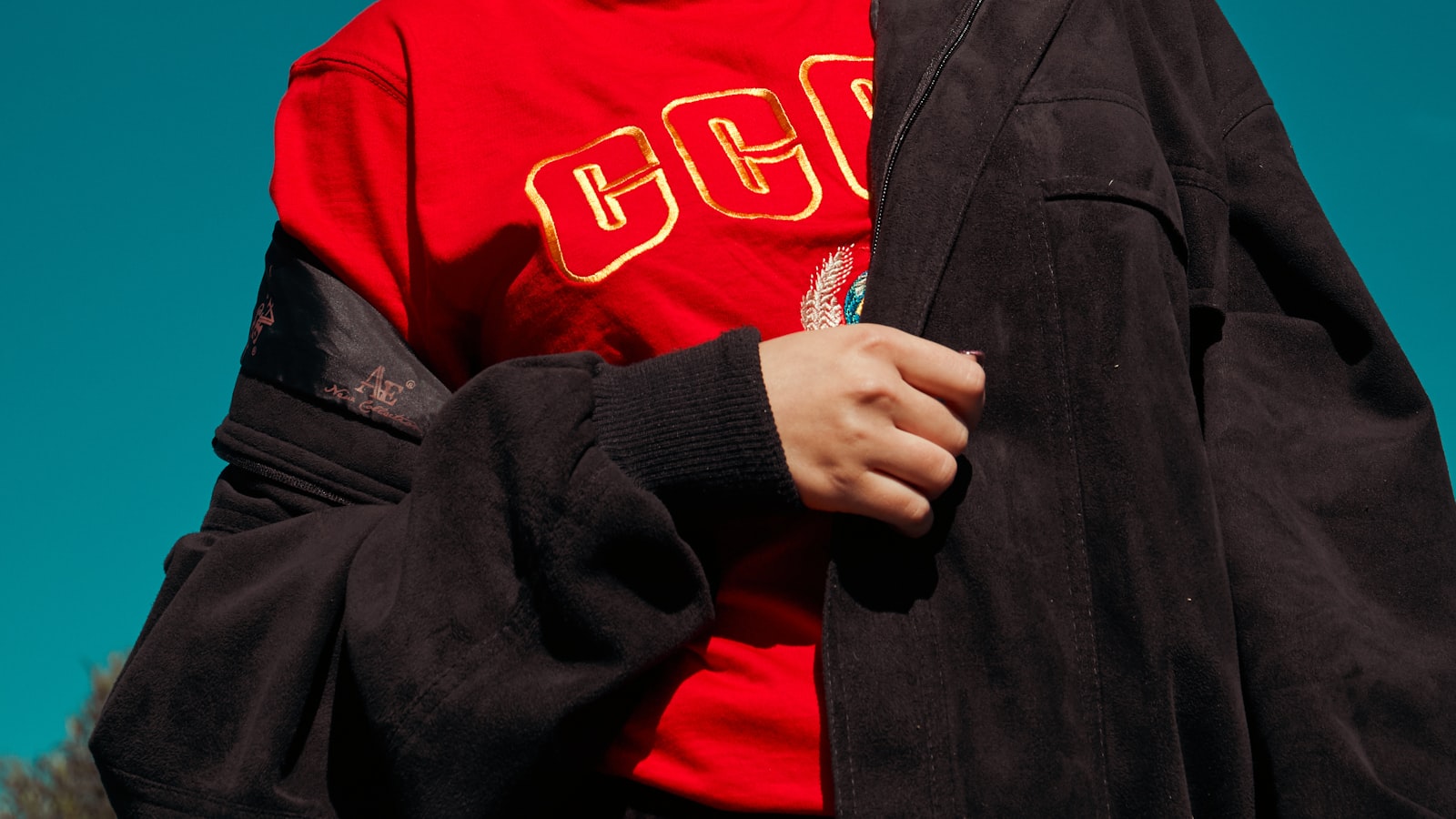
A daytime wedding has plenty of light and a lighter atmosphere, so dressing can be brisk: a knee-length dress, a pale suit, straw elements, a moderate heel. An evening wedding is darker and more formal, which permits deeper colour, a longer hem and accessories with a sense of jewellery, so the register tightens accordingly and separates clearly from the ease of the afternoon, which is what an evening ought to feel like.
One practical transition: if the ceremony is in the afternoon and the dinner in the evening, carry one light jacket, or change into a heeled shoe and add a pair of earrings. There is no need for a full change of outfit. Shoe height and accessories raise the formality from day to evening, which saves both space and effort, and one extra jacket in the bag is far more realistic than two complete outfits.
The hourly formula: about 3 cm of heel by day and 5 cm in the evening, with the same outfit lifted from afternoon to evening by shoe and earrings alone. There is no need to replace anything you are wearing.
Indoors Against Outdoors
An outdoor lawn or beach wedding demands pragmatism. A stiletto sinks into grass, so choose a block heel or a flat sandal, and a light jacket that blocks sun and wind is more use than a decorative wrap. On colour, natural backdrops suit bright mid-value tones, and pale green in particular will dissolve into the lawn, leaving you as a face in a photograph with a beautiful outfit entirely eaten by the background.
An indoor hotel wedding permits more consideration, so a long dress or a tailored suit both work, with a wrap for the air conditioning. The venue sets your comfort floor, so solve the question of whether you can stand and walk comfortably before addressing how the outfit looks. Outdoors especially, do not wear shoes you cannot walk in: two hours of ceremony is enough to teach a lesson you will remember, and comfort is a precondition rather than a concession.
The venue red line: a block heel outdoors so you do not sink, a considered long dress indoors. Check the venue before choosing shoes, because looking well depends on being able to stand for two hours.
Seasonal Adjustments
Spring and summer want breathable fabric and brighter colour, and nothing heavy. Autumn and winter want a coat or a wrap in the same colour family for outdoor sections, with velvet available indoors. At a winter wedding, do not take the hem too short, both for warmth and for gravity, and because being visibly cold stiffens the face and shows up in every group photograph, which is a poor trade for a few centimetres of leg.
If the wedding is held in a religious building, shoulders and neck need covering, so carry a large silk scarf or a wrap you can put on at the door and take off outside. This kind of detail communicates manners more clearly than the dress itself, and shows you actually prepared for the ceremony rather than arriving in whatever was nearest. Respecting the rules of the venue is the sort of thing families quietly notice and remember.
The seasonal ledger: add about 5 cm to the hem in winter for warmth and gravity and take about 5 cm off in summer for air, and carry a wrap for religious venues. Details of this kind read as manners more than clothes do.
Accessories and Proportion
Guest accessories should be fine rather than numerous. One earring with presence, or a single necklace, is sufficient. A hat is acceptable at a daytime outdoor wedding but should not be so large that it blocks anyone's view. Keep perfume light, so it never overtakes the flowers or the couple, which is a detail many people miss and which is genuinely discourteous: leaving a trail of scent through a room takes something that belongs to the day.
Choose a small bag that holds a phone and a lipstick, since a large tote reads too everyday for the occasion. All accessorising here serves appropriateness rather than impact, and when you find yourself reaching for a second attention-grabbing piece, ask whether it will pull focus from the bride. If it will, put it down. Restraint is the whole of a guest's craft, and the more you hold back the more clearly you understand where the day's centre lies.
The accessory numbers: no more than two pieces with real presence, and perfume faint enough that it is only detectable up close. Anything stronger competes with the flowers, which is a quiet discourtesy.
Budgeting for Guest Dressing
Guest formalwear is worn rarely, so spend cleverly. If weddings are not a regular fixture in your year, rent or buy second-hand rather than buying new, since a rental at roughly $60 to $180 is far better value than $250 to $600 for a dress worn once. If you attend often, then consider owning one classic piece. Put the saving into accessories, because one good silk scarf will carry you through five weddings without repeating itself.
Choose shoes you will continue to wear afterwards, a nude or black slim heel, rather than something in an unusual colour that only works with that one dress. Keep the bag neutral so it returns to commuting duty after the wedding. The value equation for guest dressing is simple: rent or buy the dress used, and make sure the accessories can be reused, which drives the cost per event down and spares you months of regret over a single garment.
One more consideration: build one reliable guest outfit and photograph it, so the next invitation does not restart the entire decision from nothing. Knowing what already worked is worth more than a new purchase.
If the invitation specifies a theme colour or a dress code, follow it rather than inventing your own approach. Deferring to the hosts' arrangement is the most gracious possible reply, and it outranks personal taste on the day.
Practical checklist
- Avoid pure white and near-white as well as unrelieved black, and choose Morandi, dusty blue or rose-beige
- Choose silk and acetate, and leave heavy sequins and trains to the wedding party
- Dress brightly at a moderate heel by day, then go deeper, longer and more jewelled in the evening
- Switch to a block heel outdoors so you do not sink, and save the considered long dress for indoors
- Keep accessories fine rather than numerous, and carry a wrap you can put on at a religious venue
Guest dressing runs entirely on degree: colour yields to the bride, fabric expresses respect, and hour and venue determine both comfort and formality. Hold support, do not lead as the governing principle and the invitation stops producing anxiety. Judge the outfit by two things: is the couple still the centre of the room, and are you comfortable and appropriate within it. Looking correct is itself the best manners, and it is the first piece of congratulation you offer, arriving before any gift does.
Frequently asked
What if the invitation says Black Tie?
Can a guest attending alone wear something striking?
Keep reading
More Styling
Dressing Petite: Division Points, Waist Placement and What Shoes Actually Do
Hem lengths by height, an exact waistline position and shoe choices that extend the leg, all measurable and all repeatable.
Dressing for Interviews: Industry Calibration and the First Seven Seconds
Calibrate formality to the industry, work the variables that genuinely shape a first impression, and run a checklist before you leave.

Minimalism Without Blandness: The Three Compensations
Cut supplies shape, material supplies substance, detail supplies sincerity, and together they fill the space that subtraction leaves behind.