Wearing Fragrance in Heat and Cold: Temperature, Diffusion and Rotation
How temperature rewrites projection and longevity, and how to rotate a wardrobe so every season gets the right scent.
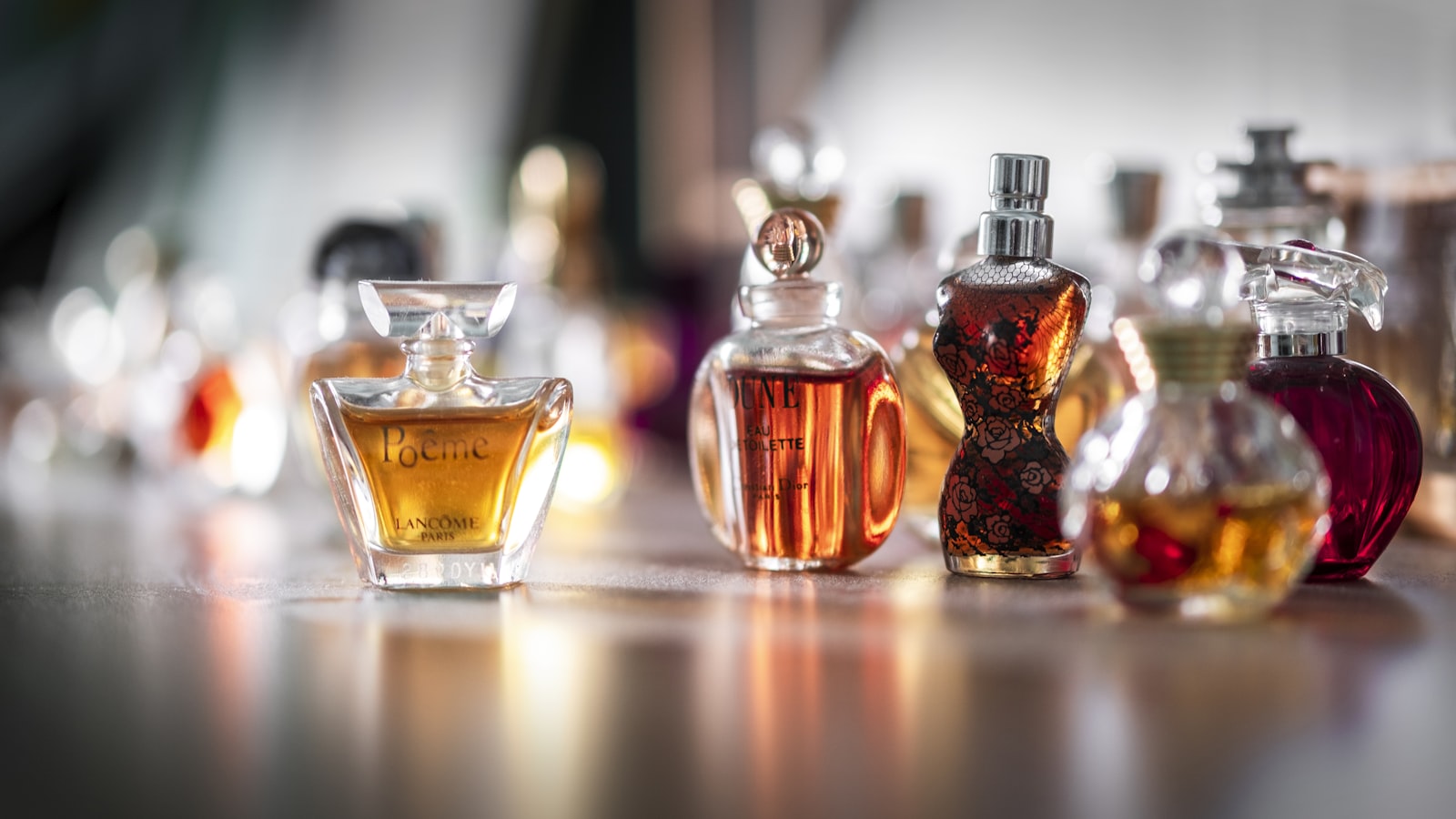
Temperature is the silent perfumer in the room, reshaping every bottle you own without touching the formula. Heat accelerates evaporation, lifts molecules off the skin and throws scent across a room; cold slows everything, pulls fragrance close to the body and can mute a composition until it barely speaks. The same eau de parfum that is elegant in November can become an oppressive cloud in August, not because the juice changed but because the air around you did. Learning to read temperature is the difference between a scent that flatters the season and one that fights it.
The answer is not to wear less perfume but to wear the right perfume for the conditions, and to rotate. A small wardrobe built around climatic behaviour serves you better than a shelf of all-season attempts that please no month fully. This means keeping bright, low concentration fresheners for heat and dense, resinous extraits for cold, and understanding that application technique must shift with the thermometer. The reward is comfort for you and courtesy for everyone sharing your air, which is the real etiquette of seasonal wear.
What heat does to a scent
Heat is a multiplier of diffusion. As skin and ambient temperature rise, the fragrance film warms and its molecules gain energy, leaving the skin faster and travelling further. This sounds like a benefit but usually is not: the perfume both projects too strongly and disappears sooner, because the very process that broadcasts it also consumes it. A scent that normally lasts six hours on cool skin may collapse to two in summer humidity, and its opening can read as aggressive rather than inviting. Citrus and light florals survive heat best precisely because they are meant to be refreshing and reapplied.
Humidity compounds the effect. Moist air already carries more odour, so adding a heavy perfume to a humid day overwhelms the nose quickly. In tropical conditions the wise move is a cologne or eau de toilette applied to clothing and refreshed often, never a dense parfum layered on skin. Heat does not ruin a perfume; it changes the contract between you and the room, and honouring that contract is the mark of a considerate wearer.
One subtlety often missed is that heat also changes the perception of a scent's sweetness. Warm air amplifies vanillic and fruity notes, so a perfume that reads balanced in cool weather can tilt cloying in August, which is why even a beloved gourmand should be retired for the season rather than worn lighter. The composition has not changed; your environment has recalibrated which of its notes you notice first, and the result is a different fragrance in the same bottle.
What cold does to a scent
Cold is a suppressor. Low temperatures slow molecular escape, so fragrance clings to skin and projects little; a scent that billows in July can read as a faint skin whisper in January. This is why people complain that perfume disappears in winter when in fact it is merely hiding, sitting close and quiet against wool and dry air. The fix is not a different bottle alone but more of it, applied to warm pulse points and perhaps to clothing, where fabric holds and slowly releases the scent through the day.
Cold also dulls perception. A stuffy heated room with dry air numbs the nose, so a fragrance needs more presence to register at all. Resins, woods, spices and vanillas, which thrive in still cold air, become the logical cold weather companions because their heavy molecules eventually diffuse and their warmth reads as comforting rather than cloying. The season selects the materials for you if you let it.
Choosing for summer
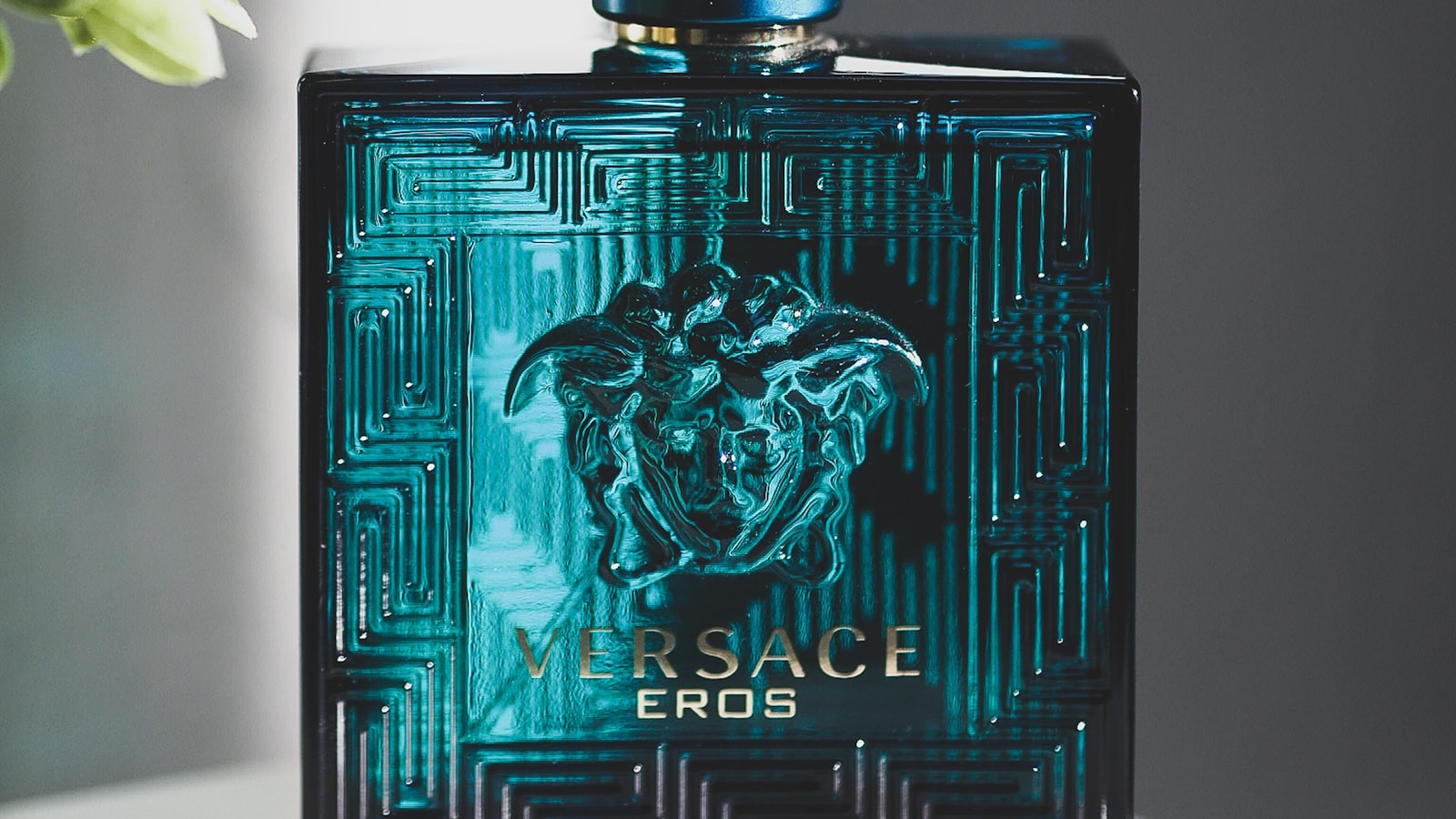
Summer calls for clarity and restraint. Eau de cologne, eau de toilette and fresh aquatic or citrus compositions suit the heat because they are light, evaporate pleasantly and invite reapplication rather than demanding endurance. Neroli, bergamot, green tea, mint and light musks are reliable summer materials; heavy ambers, orientals and animalic leathers should stay in the drawer until the temperature drops. Concentration matters here: a lower percentage means less risk of overwhelming others in enclosed, air conditioned spaces where scent lingers unnaturally.
Application in summer should be to cooler parts of the body and to clothing rather than the warmest pulse points, which would only accelerate burn off. A cologne misted on the chest under linen reads as a personal breeze rather than a statement, and refreshing it midday costs nothing and offends no one. Summer perfume is a replenished pleasure, not a committed one.
A useful habit in hot climates is to keep a dedicated summer scent at the office or in a bag, so you can refresh midday without carrying a full bottle through the heat. The cologne you top up at lunch is the one that defines how colleagues remember you, and keeping it light protects both your reputation and their comfort. Reapplication is not vanity in summer; it is the only way a fresh scent survives the temperature.
Choosing for winter
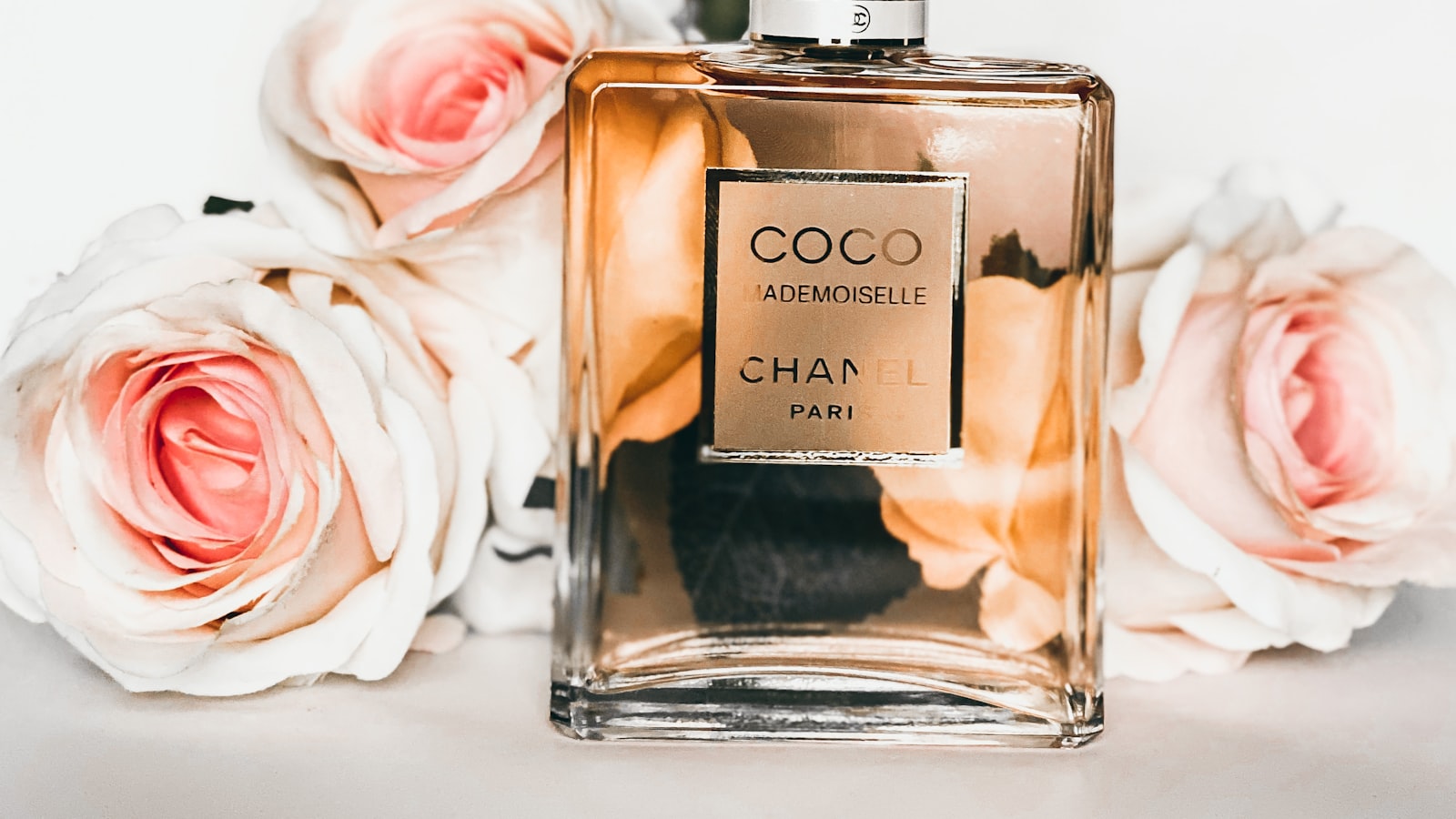
Winter rewards depth. Eau de parfum and parfum built on incense, vanilla, tonka, tobacco, leather and dense woods perform beautifully against cold and fabric, projecting enough to be noticed without the heat that makes them cloying. These are the scents for evenings, for wool and for the long dark commute, and they justify the higher concentration because the air will not diffuse them for you. A spicy amber that felt like too much in August becomes exactly right in December, which is the whole argument for rotation.
Layering helps in winter: a scented body cream under the fragrance adds a lipid base that the dry season strips away, extending wear and rounding the edges of a sharp oriental. The goal is presence without aggression, achieved through heavier materials rather than more sprays of a light one. Winter is where the extrait earns its keep, because the climate finally lets it speak at a reasonable volume.
The rotation system
A climatic rotation needs only four or five bottles. Keep one citrus cologne for hot days, one light floral or green for mild days, one woody or aromatic for transitional weather, and one amber or incense parfum for cold and evening. As the calendar turns, promote the appropriate bottle to daily use and retire the others, which also lets each fragrance rest and preserves its integrity. Rotation is not indulgence; it is matching volatility to climate so every wear is appropriate and every bottle is used.
Track your usage by season rather than by mood alone. If a bottle is never reached in three months of heat, it belongs to your cold weather slot, and forcing it in summer only annoys those around you. The discipline of rotation makes a small collection feel complete and keeps your shelves honest, because nothing hides unused behind the excuse of variety.
Application technique by temperature
Technique should flex with the thermometer. In heat, fewer sprays, lower placement and clothing application keep a scent refreshing rather than oppressive. In cold, more sprays, warmer points and fabric application coax projection from a reluctant juice. Year round, never spray into a stuffy enclosed space expecting it to behave as it did outdoors; confined air concentrates scent and betrays your sense of how much you applied. Read the room and the weather before the bottle, and let technique do what the climate will not.
The seasonal wardrobe also protects your social standing, because the surest way to be remembered unfavourably is to wear the wrong volume for the room and the weather together. A heavy amber in an air conditioned office in July is a double error: wrong climate and wrong setting, and it announces both at once. Rotation removes that risk by making the appropriate choice the default one, so you reach for the right bottle without deliberation. Dressing the skin for the season is, in the end, a courtesy that costs nothing and repays you in being welcome.
If you travel between climates often, keep the rotation mental rather than physical: a single versatile eau de parfum can stand in for both slots if you simply apply less in heat and more in cold, letting technique substitute for a second bottle. The point of the system is behaviour, not inventory, and a wearer who understands diffusion needs fewer objects to achieve the same result.
Practical checklist
- Match concentration to the season, not the bottle
- Refresh light scents through hot days
- Apply heavy scents to warm points in winter
- Rotate four or five bottles by climate
- Never overapply in air conditioning
Temperature is the collaborator you cannot see and the one you ignore at your peril. Heat broadcasts and consumes, cold conceals and preserves, and your wardrobe should be built to exploit both rather than fight them. A handful of seasonally appropriate bottles, rotated with the calendar and applied with technique that bends to the thermometer, will serve you far better than a wall of all purpose scents that please no month. Dress your skin for the weather, and let the season choose the perfume, because the climate is the co-author of every wear you will ever have.
Frequently asked
Why does my perfume vanish in winter?
Is it rude to wear strong perfume in summer?
Keep reading
More Fragrance
How to Buy: Samples, Decants and the Full Bottle
A buyer's method for testing cheaply, avoiding fakes, and knowing the moment a full bottle is genuinely worth the money.
The Olfactive Families: How the Perfume Map Is Drawn
A field guide to citrus, floral, woody, oriental, fougère and chypre, and the systems perfumers use to place a scent on the wheel.
Fragrance for Occasions: Office, Evening, Ceremony and the Etiquette of Sillage
How to match scent to setting and navigate the unspoken rules of projection so your perfume pleases rather than imposes.