A Hundred Years of the Trench Coat and What to Look for in Gabardine
From its trench origins through epaulettes and storm flaps, dismantle the coat's functional fossils and the hard checklist for buying one today.

The trench coat is one of the few items that carried its military function intact into everyday fashion. The epaulettes, gun flap, D-ring, storm flap, and double-breasted front - parts that look decorative today - each came from a real need in the First World War trenches. Understand their origins and you know which details are soul and which are dispensable weight.
This piece first tells the trench's hundred-year evolution and its functional fossils, then lands on the hard checklist for buying today: the weave of the gabardine fabric, the height formula for length, and the craft thresholds of hardware and lining. So you buy a functional coat that earns its keep, not a sentiment.
From trench to street
The trench coat was designed by Britain's Burberry and Aquascutum for officers in the late nineteenth century and popularized in the Western Front of WWI. The original used waterproof wool gabardine, long to the calf against mud. After the war, demobilized officers wore them into civilian life, and they gradually shed their military color to become a gentleman's staple. In the 1970s fashion rediscovered them - shortened, recolored - into today's mid-length urban coat.
Across this century the trench dropped some heavy parts (thick lining, goggle pocket) but kept the signature double-breasted front, epaulettes, gun flap, and belt. This matters: a modern trench buys a "time-validated silhouette," not a military replica. So when choosing, whether the functional fossils are complete is the ruler of its classic-ness.
The nature of classic gabardine
Gabardine is the soul fabric of the trench, invented by Thomas Burberry in 1879: high-count cotton yarn tightly twilled into a fine diagonal, then water-repellent finished so it sheds rain yet breathes. Traditional gabardine runs about 300-360 g/m - lighter than a wool coat, stiffer than a raincoat.
Today's "gabardine" splits real from fake. True gabardine is pure cotton or cotton-blend tight twill, with a dry, structured hand; the fake is polyester coating that repels water but is stuffy, stiff, and lacks drape, its coating flaking after washes. Tell them apart: read whether the diagonal is fine and even, and do a drip test - true gabardine beads and rolls without soaking; coated fake repels at first but cracks with age. The real gabardine threshold begins around 1500 yuan ($210).
Gabardine also splits into pure cotton and cotton-poly blend: pure cotton gabardine breathes and structures but costs more and needs dry cleaning; a cotton-poly blend (say 65% cotton, 35% poly) is cheaper and washable but gives up some drape and color-aging. For daily commuting the blend is easier; for the classic aging color, choose pure cotton. Read the polyester percentage on the label - over 40% is no longer orthodox gabardine.
The soul of a trench is in the gabardine, not the logo.
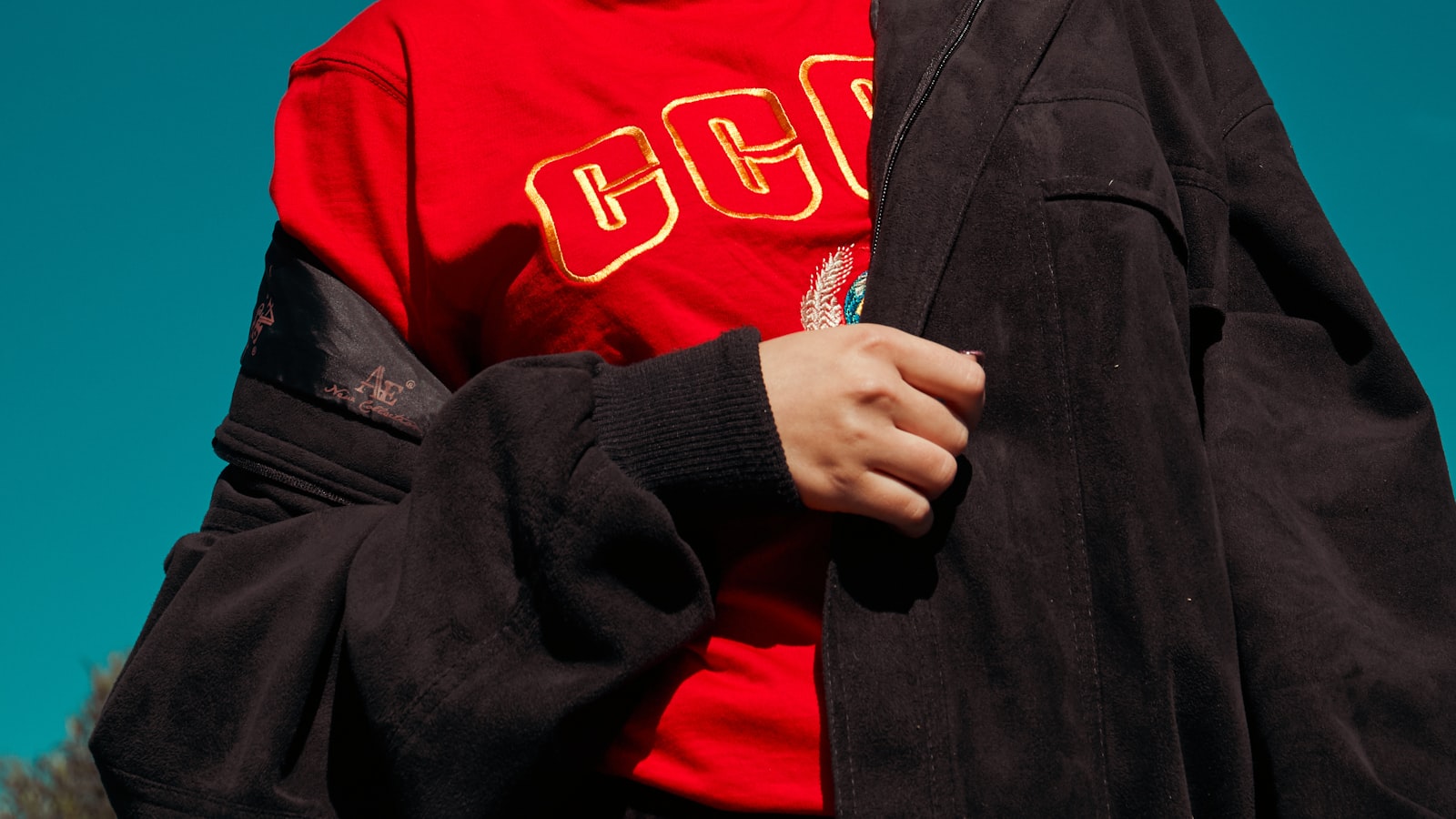
Functional fossils: epaulettes and storm flap
The epaulette originally fixed the rifle sling and showed rank; today it is decorative but still widens the shoulder. The gun flap, the cloth patch over the left chest, kept rain from running down the barrel into the chest; its modern job is to structure the chest. The storm flap, the live pleat at the back waist, drops to cover the belt gap in rain - one of the few details still practically useful.
The D-ring once hung maps or a canteen; today mostly decorative. The storm cuff adjusts to keep wind and rain out and is still useful. When buying, all these parts present and solidly made (even topstitch, not skewed) signal a cut that respects tradition, not a simplified fast-fashion trench.
The length and height formula
Trench length splits into short (10 cm above the knee), mid (knee to 10 cm below), and long (calf). Under 165 cm, mid at the knee is safest; a long past-the-knee presses the height. From 165 to 175 cm, mid or long both work; above 175 cm you can carry the calf-length for most presence.
The general rule is the hem landing above the slimmest part of the calf, avoiding the widest point. In the try-on, check belted and unbelted: belted should show a waist (the trench uses the belt to build an X), unbelted should fall clean and straight. The hem should sit at least 5 cm off the ground, not sweeping when you walk.
Belt buckles come as needle, D-ring, and plate: the needle is classic and adjustable; the D-ring leans military; the plate is easy but loosens. A good buckle has an engraved back and polished edges, ringing solid not hollow when tapped. Fast fashion often uses plastic fakes that crack in the cold - the easiest craft point to cut on a trench.
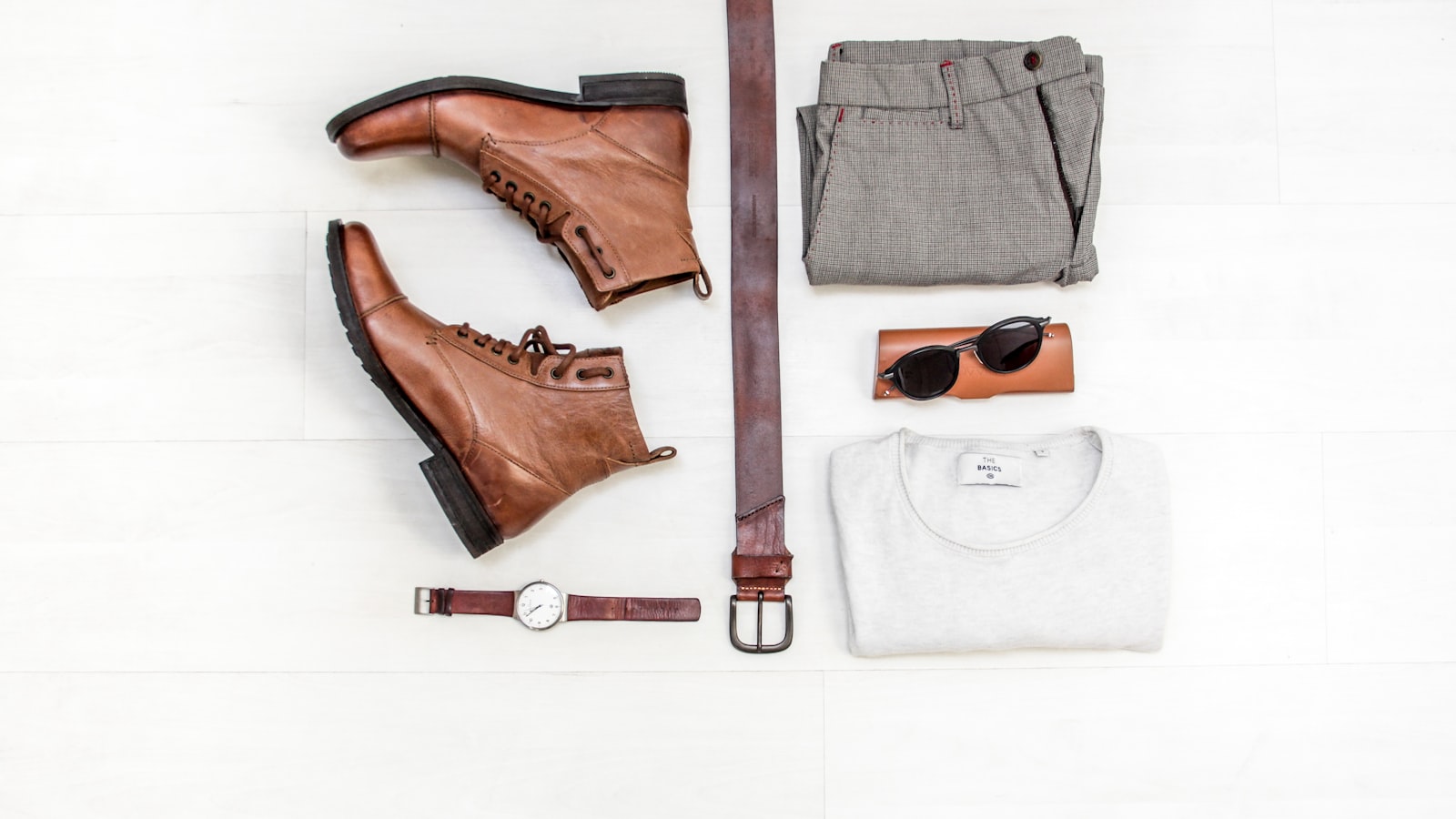
Lining, hardware, and the belt buckle
The lining decides how smoothly it goes on. A good trench uses smooth polyester or cupro lining, often with a striped or checked interior (the classic beige Burberry check) that both looks good and cuts friction. Poor lining is rough cotton that catches on a sweater and pills. Hardware should be brass or antiqued metal - weighty, non-tarnishing; zinc alloy is light and whitens with age.
The belt buckle is a frequently cut corner. Traditional trenches use a metal needle or D-ring - sturdy and adjustable; fast fashion uses plastic or elastic, loose and formless. Check the buckle back for brand engraving and polished edges - a detail of grade. The double-breasted buttons should be horn or metal, locked with double thread.
Trench colors and price bands
The classic colors are honey/tan (trench beige), black, and navy. Beige is most vintage and versatile but dirties easily and needs care; navy and black are more practical and stain-resistant, commute-friendly. Grey and olive have appeared recently but trail in resale and wear-ability. On price: fast fashion 300-800 yuan ($42-$110) with fake gabardine and simplified parts; mainstream 1500-4000 yuan ($210-$560) with real gabardine and full parts; luxury 8000 yuan ($1100) and up with handwork and top cotton.
Buying advice: if you wear it often, step up to the 1500-yuan ($210) mainstream - real fabric and full parts last ten years at a very low annual cost. Secondhand classic-beige trenches in good condition often come at 30% of original retail, an extremely high-value entry. Remember to buy on part completeness and fabric, not logo size.
On color care, beige is the most stain-showing yet most classic - a monthly soft brush for dust and prompt spot cleaning; navy and black resist stains but show white dust. Before storage, clean thoroughly and fully shade-dry, then hang; in humid seasons add a desiccant. A well-cared trench develops a cloth glow after ten years that coated fakes cannot match.
Cut lineage and body correction
The classic trench cut comes from the officer's trench coat - wide shoulder, waist by belt. Modern cuts split into English (nipped, sharp) and Italian (relaxed, lazy). Narrow sloping shoulders take the English regular shoulder for sharpness; wide thick backs take the Italian slight drop for ease.
Because the trench fabric is stiff, alteration room is small and the shoulder must be right. The belt is the only "free waist alteration" - tighten and it nips. A large chest takes a wide double-breasted spacing to avoid strain when buttoned; a flat chest takes a pronounced gun flap for chest volume. Try on both belted and unbeltted to confirm both reads hold.
Real gabardine cotton dislikes machine washing; spot-clean dirty areas with a soft brush and neutral agent, shade-dry; a full dry clean once a year suffices. Re-apply waterproof spray each quarter to maintain repellency. After the plum-rain season, ventilate and dehumidify to prevent mildew.
For storage, hang on a wide wooden hanger in a breathable dust bag; avoid folding that presses dead creases (cotton gabardine creases are hard to recover). Wipe metal parts with petroleum jelly against rust. A well-kept real trench develops a unique glow after ten years - something coated fakes can never give.
Practical checklist
- Insist on real gabardine's tight twill, not a coated fabric.
- Full parts (epaulettes, gun flap, storm flap) mark a proper cut.
- Under 165 cm choose mid at the knee; avoid long that presses height.
- The lining should be smooth; hardware should be weighty brass.
- If worn often, the 1500-yuan mainstream tier is best value.
The trench is rare among fashion items as "function is aesthetics." Buy it with a historical eye: the epaulettes, gun flap, and storm flap are not a pile of decoration but a design language validated by the trenches. The hard buying indicators are only three - real gabardine twill, complete functional parts, and brass-grade hardware with a smooth lining. Meet those three and either beige or navy will stay with you ten years. Do not pay triple for a logo; the trench's soul is in the fabric and cut, not the words on the chest. One storage note: the trench hates folded creases - hang it on a wide hanger off-season, because cotton gabardine creases are harder to rescue than you think. Hang it well and a decade later you will thank yourself. And a note: the cotton-poly versus pure-cotton trade-off sits between easy-wash and color-aging - whether you can dry-clean often decides it. The belt buckle and color care are the two small levers that extend a trench's life.
Frequently asked
Is a polyester-coated trench worth buying?
How should I tie the trench belt to look good?
Beige trenches get dirty too easily - what do I do?
Can a trench be machine washed?
Keep reading
More Apparel
Leather Jackets: Vegetable-Tan, Oil-Wax, and Reading the Grade
Distinguish vegetable-tanned, oil-wax, nappa, and PU by their tempers and grades; build a buying map from material to care.

The Language of Denim Fit: Ounce Weight, Selvedge, and Matching the Cut to Your Legs
Straight, wide, tapered, and skinny each have their wearer; ounce weight and selvedge define a denim's character, with a body-match formula.

Functional Activewear Fabrics: Wicking, Compression, and Matching Intensity
From wicking and compression to temperature control and seamless knitting, align fabric function to training intensity.