The Everyday Work Bag: Capacity, Weight, and the Laptop Question
A good work bag is an exercise in load management: the right volume, a strap drop that sits on the shoulder, and hardware honest enough to carry a laptop daily.
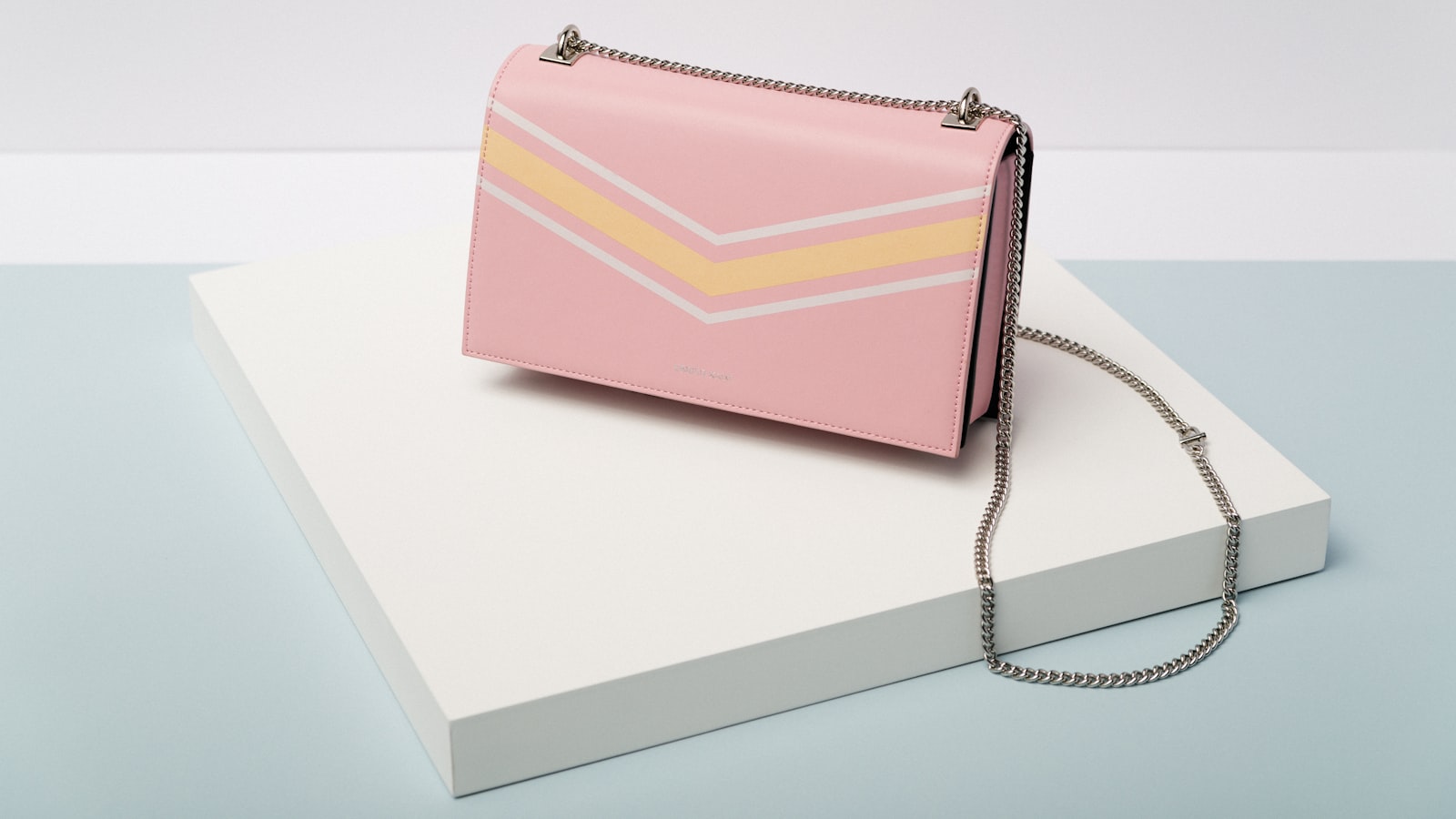
The everyday work bag is the most abused object most people own, and the least thoughtfully chosen. It is expected to hold a laptop, a charger, a notebook, a water bottle, and the slow accumulation of a working life, then ride a shoulder through a commute twice a day for years. Yet buyers fixate on colour and logo while ignoring the three numbers that decide comfort and survival: volume in litres, empty weight in grams, and strap drop in centimetres. Comfort is a specification, and like any specification it can be written down and checked before you pay.
This article treats the work bag as the engineering problem it is. We look at how much capacity is actually useful, why a heavy empty bag is a design failure, how drop length changes the load on your shoulder and spine, and which construction details let a bag carry a laptop without distorting or tearing. The goal is to leave you able to choose a work bag by feel and measurement rather than by showroom lighting.
Capacity: Litres, Not Illusion
Capacity is measured in litres, and for a daily work bag the useful range is roughly fourteen to twenty-two litres. Below fourteen you will be stuffing the laptop awkwardly; above twenty-two the bag becomes a suitcase you swing into strangers on the train. A 15-inch laptop sleeve alone occupies about four litres, and once you add a power brick, a paper notebook, and a bottle, you are comfortably at sixteen. The mistake is buying a bag whose stated volume is real but poorly shaped, so the laptop has to bend to fit. Internal architecture matters as much as volume. A single cavernous compartment forces the laptop to share space with hard objects that scratch its lid, while a dedicated, suspended sleeve protects it and stabilises the load. Look for a bag where the laptop sits against the wearer's back, closest to the body's centre of gravity, rather than swinging at the front. That placement cuts the lever arm and spares your shoulder the constant corrective tug.
- Useful daily range is 14 to 22 litres for most commuters
- Position the laptop sleeve against the back, near your centre of gravity
- A suspended sleeve protects the device and stabilises the load
Empty Weight and the Penalty You Carry
Empty weight is the tax you pay on every trip, and a good leather work bag should sit under 1.2 kilograms empty; a heavy one near two kilos is a structural and material failure, not a virtue. Weight comes from thick interlining, oversized hardware, and unnecessarily heavy leather. Some heft signals durability, but past a point it signals poor engineering, because the same strength could have been achieved with smarter pattern and lighter reinforcement. The arithmetic is brutal. A two-kilo empty bag plus a 1.5-kilo laptop plus the daily clutter reaches four kilos, carried on one shoulder for an hour each way. Over a year that is hundreds of hours of asymmetric load, and the body keeps the score in the neck and lower back. Choosing a lighter bag is not vanity; it is preventive medicine, and it is one of the few upgrades that costs nothing in performance. A lighter path is the waxed canvas or nylon bag, six hundred to nine hundred grams empty, carrying a laptop as well as leather and shrugging off rain. For a pure commuter the weight saving justifies the switch, and the cost is lower for equal hardware.
Strap Drop and Shoulder Load
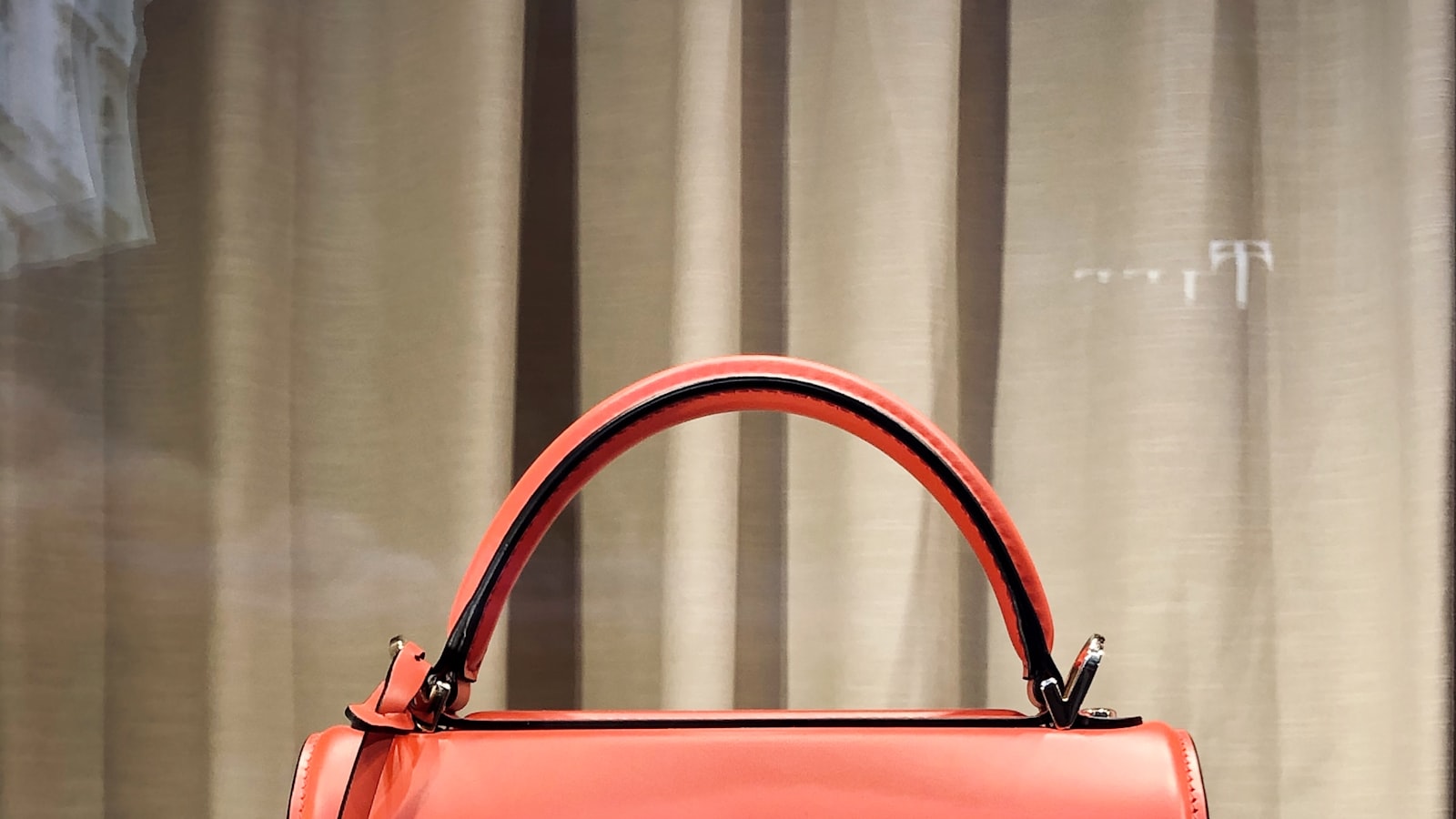
Drop is the vertical distance from the top of the strap to the top of the bag, measured in centimetres, and it decides where the bag rides. A drop of about twenty-five to thirty centimetres suits a hand-carry or crook-of-elbow tote; a drop of forty-five to fifty-five centimetres lets the bag hang at the hip for shoulder carry. Too short and the bag chokes your arm; too long and it swings into your knee with every step, a particular nuisance on stairs. Shoulder load is governed by strap width as well as drop. A narrow strap concentrates the bag's weight onto a centimetre of flesh and quickly becomes uncomfortable, while a strap of three and a half to four centimetres spreads the load and stays put. Padding helps only if it is firm and full-width; soft padding just migrates and does nothing. The right drop plus a wide strap turns a heavy load into a manageable one, and the wrong drop makes even a light bag annoying.
The right drop plus a wide strap turns a heavy load into a manageable one; the wrong drop makes even a light bag annoying.
Handle Attachment and Load Points
Where the handles meet the body is where work bags fail, because that is where the entire loaded weight is transferred from leather to stitch. The honest method is a concealed leather reinforcement tab running inside the bag wall, anchored by both rivets and saddle stitching, so the stress is shared between metal and thread rather than dumped on either alone. A bag that relies on stitch alone at the handle base is a bag with a countdown timer. For two-handled totes, the distance between the handles also matters. Too wide and the bag cannot be carried on the forearm; too narrow and it tips. Around twenty-five centimetres between the inner edges is the comfortable middle. And for bags with a detachable shoulder strap, the anchor points must be set low and wide on the sides, not near the top, or the bag will spin and the contents will shift with every stride.
Hardware That Survives the Commute
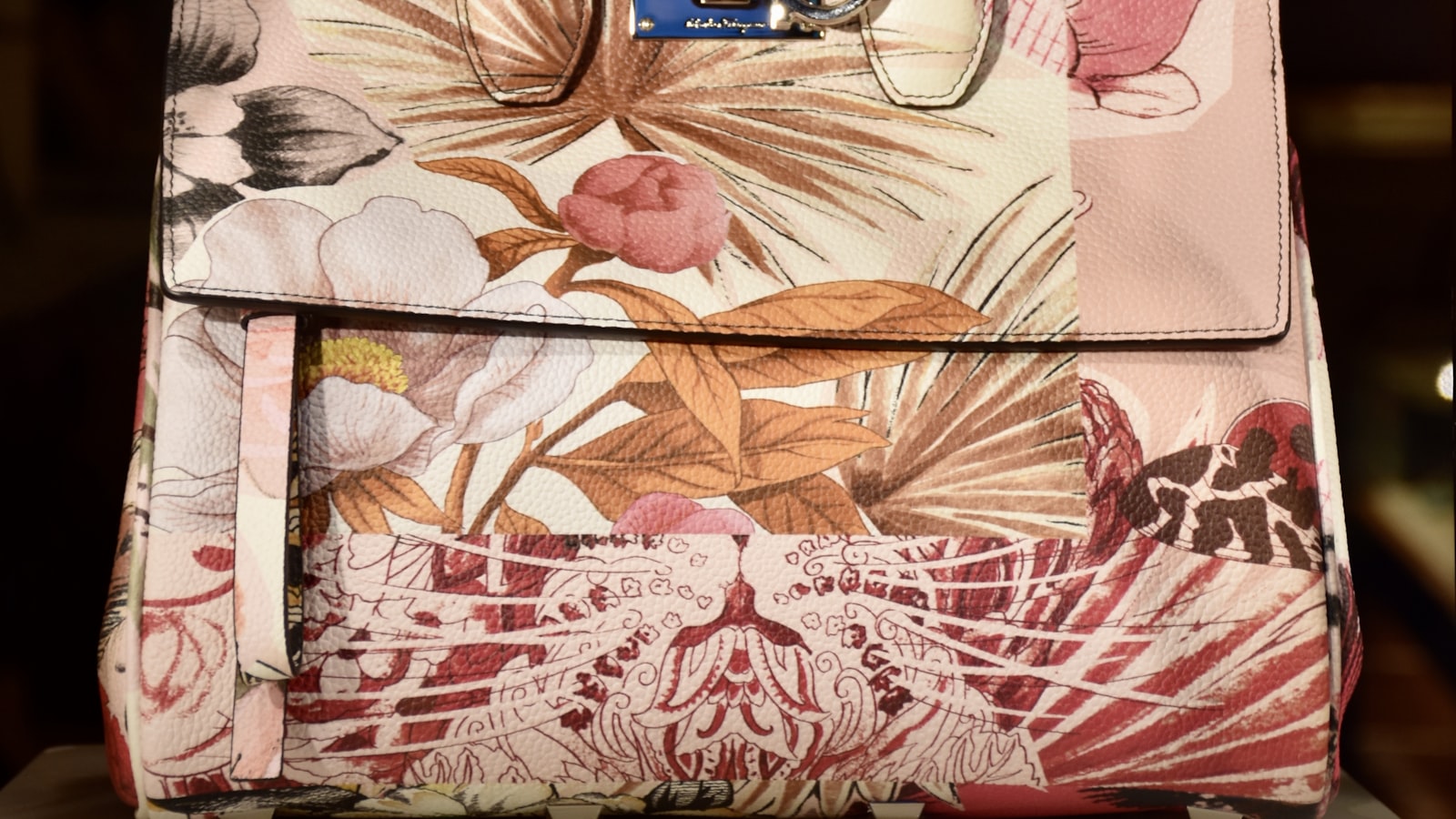
A work bag is opened, closed, and set down dozens of times a day, so its hardware earns its keep. Solid brass or a quality zamak with thick plating on the magnetic clasps and the zip is non-negotiable for daily use; thin plating rubs through at the corners within months. The zip should be a premium line such as YKK Excella or Lampo, with a pull substantial enough to find by feel in a coat pocket. Feet are an underrated detail. Small metal or rubber feet on the base keep the leather off wet station floors and abrasive train carpets, and they are cheap to replace when worn. A bag without feet is a bag destined to have its corners abraded into the lining. The difference between a work bag that looks new after three years and one that looks exhausted is mostly these small, unglamorous components doing their quiet job. Check the slider and D-rings: a rough mould line means zamak dressed up, while a clean loop is brass. The slider must lock without slipping, or the bag lengthens through the day and will not hold your trust.
Choosing by Measurement, Not Mood
Put the numbers together and a specification for the ideal daily work bag emerges: sixteen to twenty litres, under 1.2 kilos empty, a shoulder drop near fifty centimetres with a four-centimetre strap, a laptop sleeve against the back, reinforced handle tabs, premium zips, and base feet. Very few bags hit all of these, and that is useful information. The ones that do tend to cost more, because the engineering is real. The discipline is to measure before you love. Weigh the empty bag on a shop scale, check the drop with a tape, confirm the sleeve placement, and feel the hardware. A bag that meets the spec and pleases the eye is a keeper. A bag that pleases the eye but fails the measurements will, within a season, become the thing you resent carrying. The work bag is too central to your day to be chosen on showroom lighting alone.
Practical checklist
- Weigh any work bag empty; under 1.2 kg is the target for daily use
- Confirm the laptop sleeve sits against your back, not at the front
- Check the strap drop in centimetres before assuming it will shoulder-carry
- Inspect handle bases for rivets plus stitching, not stitching alone
- Look for base feet; they protect the corners from daily abrasion
The everyday work bag repays engineering far more than it repays ornament, because it is a tool before it is an accessory. Capacity, empty weight, and strap drop are the three numbers that decide whether you arrive comfortable or compromised, and a laptop sleeve placed against the back is the single detail that protects both the device and your spine. Add reinforced handle tabs, premium zips, and base feet, and you have a bag that disappears into the routine rather than fighting it. The temptation is always to choose by colour and logo, but those decisions are made in a showroom and regretted on a platform. Measure first, love second, and the bag you carry for years will be the one that earned the weight it asks you to bear.
Frequently asked
How many litres should a daily work bag be?
Is a heavy leather bag a sign of quality?
What strap drop is right for shoulder carry?
Is leather or canvas better for a daily commuter bag?
Does the work bag need to be waterproof?
Keep reading
More Bags & Shoes
Hats and Face Shape: Crown, Brim, and Proportion
A hat is a frame for the face. Read crown height and brim width in centimetres against your shape, and the fedora, beret, bucket, and cap fall into place.
Belts: Strap Width, Buckle Scale, and the Waistline
A belt sets the proportion of the whole outfit. Get the strap width, the buckle scale, and the waistline height right, and the small errors disappear.
Eyewear and Face Shape: Lens, Bridge, and Temple
Glasses are measured, not admired, into place. The three millimetre numbers on the temple decide fit before the shape decides flattery.