Why Silver Turns Black: The Chemistry, and Cleaning and Care for 925, Thai and Rhodium-Plated
From the mechanism of silver sulphide to the differences among 925, Thai silver and rhodium plate, a workable plan to clean and slow the blackening.
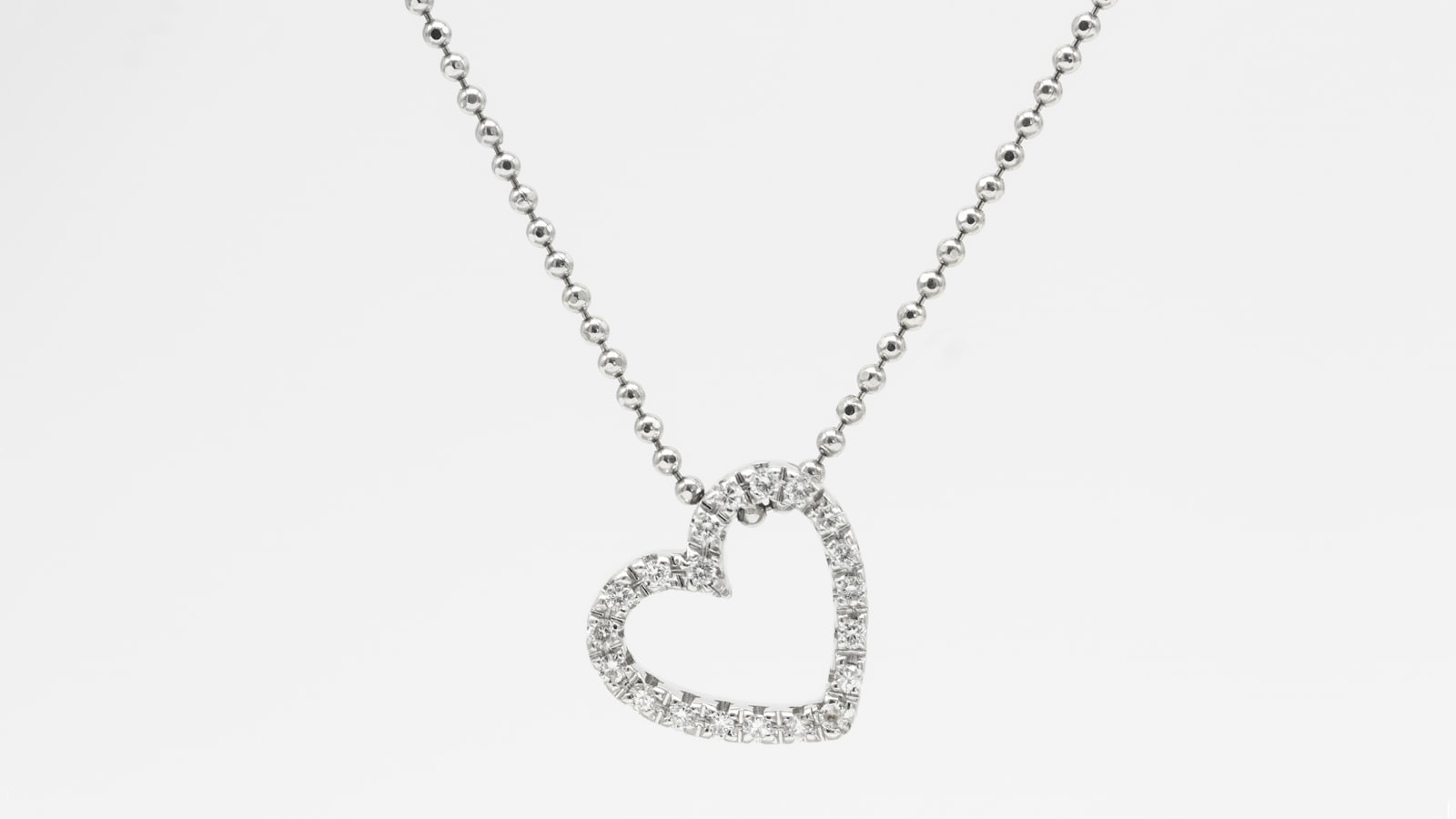
Silver going black after a few months of wear is something nearly everyone meets. Sellers call it the body detoxing or the silver knowing its master, which is pure mysticism. The truth is silver reacting with sulphur compounds in the air to form a black film of silver sulphide, Ag2S. This article explains the blackening mechanism, separates the traits of 925, Thai silver and rhodium plate, and gives a workable cleaning and slowing plan, so you have a basis from why black to how white.
Silver is cheap, varied and ear-friendly, the first stop in starter jewellery. But poor care darkens it further, even to a copper tone. Below we take it from chemistry to tools. First kill a superstition: silver blackening has nothing to do with your constitution, only with the sulphur in the environment, and once understood, cleaning and storage turn rational.
The Chemistry of Blackening
Pure silver, Ag, is chemically stable but forms black silver sulphide with sulphur-bearing matter. Hydrogen sulphide in air, sulphur in hot springs, sulphur in eggs and onions, and sulphur compounds in skincare are all blackening sources. The reaction simplifies to 4Ag plus 2H2S plus O2 gives 2Ag2S plus 2H2O. Ag2S is an extremely thin black film on the surface; that is the black you see.
Higher humidity speeds it; so southern plum rains, the coast and hot springs blacken silver faster. This is not the body detoxing, it is chemistry working. Understand that and you know blackening is reversible and preventable. Treat silver as a small chemical system that needs isolation from sulphur and moisture, and the care logic opens up.
- Sulphur sources: air hydrogen sulphide, spring sulphur, sulphur skincare, eggs and onions
- Accelerators: high humidity, heat, sweat
- The essence is a black silver sulphide film
925, Thai Silver and Rhodium Plate
925 silver is 92.5 percent silver with 7.5 percent alloy, mostly copper, harder and more durable than pure silver, the international standard stamped S925. Thai silver is actually lower-silver, surface-oxidised vintage-style silver, often ornate, not from Tibet; some Thai silver is only 70 to 80 percent silver and darkens further into its vintage look, which becomes the style.
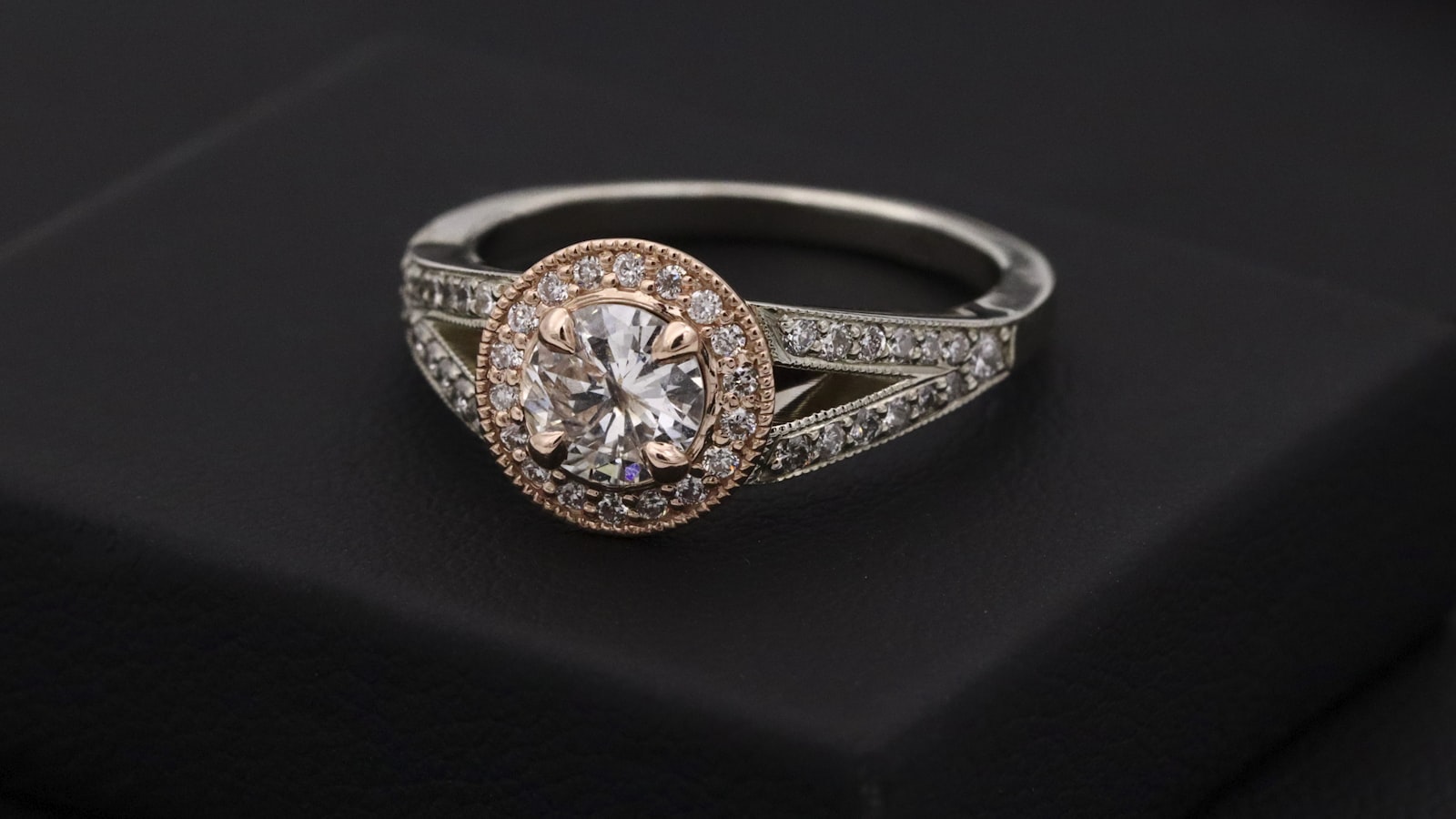
Rhodium-plated silver is electroplated with rhodium, Rh, over 925; rhodium is extremely stable and resists sulphidation, keeping bright white long, but once the plate wears the base silver blacks again. The stamp stays S925. Miao silver and Tibetan silver are mostly white copper, copper-nickel-zinc, or low silver, strictly not silver, cheap but allergy-prone and oxidises to copper; trust the stamp not the name. For sensitive ears, S925 or S990 is safer.
Cleaning Methods and Tools
Light blackening clears with a silver cloth, a polish-impregnated micro-abrasive, dry-rubbed. Moderate blackening uses toothpaste, a silica abrasive, on a soft brush, or baking soda in warm water then a soft cloth. Heavy blackening uses silver dip, a reducer like sodium thiosulphate, soaked seconds to reduce Ag2S back to silver, the black film gone at once.
But silver dip strips fine patina and hurts vintage Thai silver, and must not be frequent. Safest is ultrasonic cleaning, plain pieces only, or professional polishing. Note: silver set with organic gems, pearl, opal, must not soak in dip, it hurts the stone. Clean at the rate the blackening appears; deal with it early and it is easiest, do not wait for full black.
Storage That Slows Blackening
Silver blackening is reversible, but slowing it is easier. The core is isolation from sulphur and moisture: when off, put it in a sealed bag, air pressed out, with a packet of colour-change silica or a tarnish strip. Avoid perfume, sweat and spring water; remove for bath and sport. Store alone to avoid scratches and colour transfer with other metals.
Rhodium plate protects by its layer, but every 1 to 2 years the plate wears through and needs re-plating, about 30 to 80 RMB per piece, some 4 to 11 dollars. Long-unworn silver sealed beats frequent rubbing for surface care. Keep environment humidity under 50 percent and the blackening rate halves. Storage is the cheapest care; a self-seal bag at a few cents solves a big problem.
Price and Choice
925 silver sells by gram or piece; a plain chain is 30 to 200 RMB, about 4 to 28 dollars, a design pendant 100 to 800 RMB, some 14 to 113 dollars, Thai style 50 to 500 RMB. Rhodium plate costs 20 to 50 percent more for the extra step. Silver metal itself is cheap, about 7 to 8 RMB per gram in 2026, so the value is design and workmanship, making silver a style spend, not a value store.
Advice: for daily versatile, choose 925 plain chain; for bright stain-resistant, choose rhodium; for vintage, choose Thai but accept the blackened look; for sensitive ears trust S925 or S990 and avoid unstamped white copper. Buy silver by stamp then work; a pretty name is not fineness. Silver is worth buying often and swapping, because it is cheap enough not to mind.
Plate Life and Re-newal Cycle
The life of rhodium or gold plate depends on thickness and wear frequency. A daily ring wears the rhodium through in about 6 to 12 months; earrings and necklaces, with less friction, last 1 to 3 years. Once through, the exposed base silver or copper blacks or reddens and needs re-plating.
Re-newal cost: small pieces 30 to 80 RMB, complex 80 to 150 RMB. Judge by whether the plate has shed widely; local wear can wait, a fully dulled ring should go in. Do not rescue a plated piece with silver dip; it accelerates plate loss.
Common Misconceptions
Misconception one: blackening means toxins in the body, wrong, it is sulphidation. Two: blacker means truer, wrong, white copper also blacks, only the stamp tells. Three: silver dip is universal, wrong, it hurts vintage and set pieces and only treats the symptom. Four: pure silver beats 925, pure silver is softer and bends, 925 wears better and is the international standard.
Five: silver kills germs so wear freely, silver ions do weakly inhibit bacteria but allergy is about nickel, and nickel alloy still irritates. Silver's value is in design and craft; care matters for wear look, not value. Treat silver as a consumable, not an asset, and the mindset stays light.
Trade-in is also a trap zone: some sellers lure with free exchange but price new by high gram rate and buy old by low, losing on both sides. Weigh your own grams and check the day's silver price before exchanging. The metal is worth nothing; the traps are all in workmanship and discount.
Children's silver needs more care: baby locks and bangles are 925 or S990; watch whether the weld contains cadmium, bad solder is toxic, so trust a proper brand and test. Keep weight small to avoid red marks; always remove for sleep to avoid snag and choke risk.
Silver repair has its craft: slight bend can be reset at a gold shop, mirror scratches can be re-polished but thin the piece; vintage Thai scratches actually break the texture, so keep it as is. An old bangle earns a patina; do not renew too often, moderate wear is evidence of years.
Silver blackening is not your body speaking; it is the sulphur in the air writing.
Practical checklist
- Blackening is a silver sulphide film; a silver cloth or baking-soda water reduces it
- Trust the S925 stamp; Miao and Tibetan silver are mostly white copper, not true silver
- Rhodium plate stays bright but needs re-plating every 1 to 2 years
- Off, seal in a self-bag with tarnish strip; isolate from moisture and sulphur
- Silver set with pearl or opal must not soak in dip; it hurts the stone
Silver blackening is a daily phenomenon explainable and reversible by chemistry, with nothing to do with health. Hold three points: blackening comes from silver sulphide, cleaning uses reduction or abrasion, slowing uses sealed isolation from sulphur and moisture. Buy silver by the S925 stamp, avoid the misnamed Miao and Tibetan white copper; for bright ease choose rhodium but plan periodic plating; for vintage choose Thai and accept the aged look. Silver metal is cheap, the value is design and craft, so care matters for wear look, not value. Keep a silver cloth and a self-bag by the bed and silver stays bright long. Last reminder: any silver set with organic gems must avoid dip and ultrasonic in cleaning; the stone is more delicate than the silver. The joy of silver is precisely that it is cheap enough to swap often, no need to treat it as sacred.
Frequently asked
Does silver blackening mean something is wrong with me?
How often can I use silver dip?
Does rhodium plate resist blackening better than 925?
Keep reading
More Jewellery
Allocation and Order for an Engagement Ring: Loose Stone, Setting, Brand Premium and Custom Lead Time
A workable plan with a 5-3-2 budget split, loose-stone priority and custom lead-time pitfalls.
Earrings and Face Shape: Studs, Threads, Hoops and Tassels, Plus Weight and Back Material
By face shape we split the four earring types, stud, thread, hoop, tassel, and cover weight limits and hypoallergenic back points.
Necklace Length and Neckline: How 40, 45, 60 and 80 cm Meet Round, V and Turtleneck
Using five lengths, 40, 45, 50, 60, 80 cm, against round, V, turtleneck and more, a formula you can follow directly.