Measuring Ring Size: How Finger and Hand Shape Set Band Width and Centre-Stone Ratio
From a string measure of finger circumference to matching finger and hand shape with band width and stone size, a self-measure decision chain.
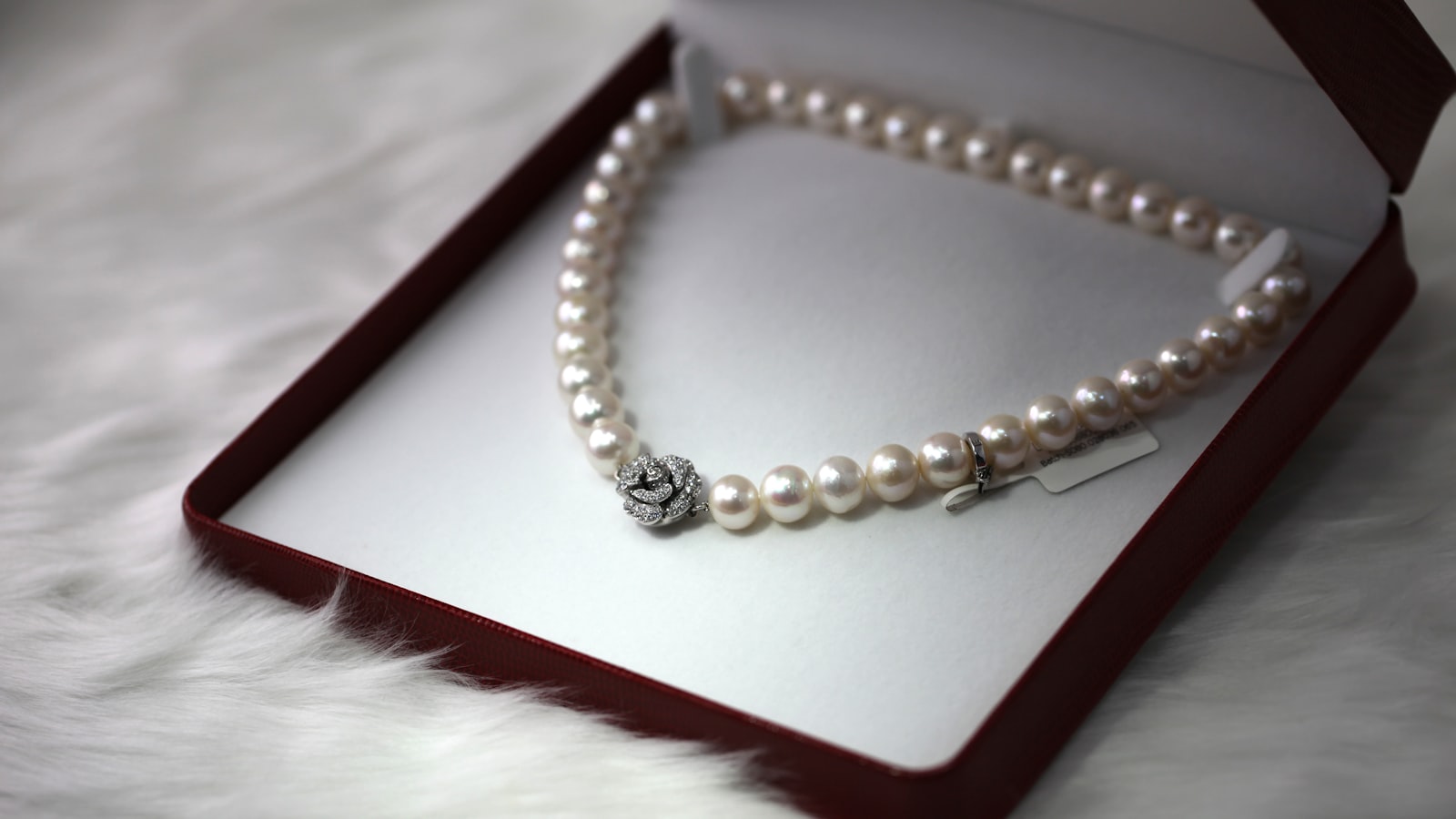
The easiest place to fail with a ring is not the style but the size. Online you guess a number and it either catches on the knuckle or spins on the flesh; a size tried in-store in the afternoon feels tight when the hand swells in the morning. This article gives a self-measure Hong Kong code and national circumference map and the timing of measuring, then goes further into how finger and hand shape set band width and centre-stone ratio, so you get the right number and the right look. Size is the base of comfort, ratio the key to good looks; neither alone is enough.
Ring size is the finger circumference in millimetres; China commonly uses the Hong Kong code, 10 to 25, against a national circumference. Below we first solve measure accurately, then choose beautifully. The conclusion: most people's rings fit badly because the timing was wrong, not because the hand is special.
How to Self-Measure Circumference
The most accurate method is the string wrap: take a non-stretch thin string around the finger root where the ring sits, mark the overlap with a pen, straighten and measure in millimetres, that is the circumference. Map to Hong Kong code: 50 mm is about code 10, 54 mm about 14, 57 mm about 17, 60 mm about 20. A printable ring sizer also works with smaller error.
Note whether you measure the widest knuckle or the finger root; the ring must pass the knuckle, so take the knuckle as the floor and the root as the comfort, and the middle code is steadiest. If the sizer is unreliable, a pro ring gauge at a gold shop is surer. Measure twice and average to rule out hand shake.
- String wrap gives the most accurate circumference
- Knuckle is the floor, root is the comfort
- Take the middle code
- Measure in the afternoon when the hand is slightly swollen for best accuracy
Timing and Error
Finger size floats about half a code to a code through the day: fine in the morning, swollen in the afternoon, up after sport or heat, down after cold water. Best measure is after sitting still in the evening. Pregnancy and season, swollen summer, shrunk winter, also shift it; a northern winter code can be half a code smaller than summer. Weight loss or gym gain changes circumference; it is dynamic body data.
Advice: for daily wear use the evening measured code; for winter wear, half a code down from a summer measure; for a knuckle clearly thicker than the root, take a code that passes the knuckle without wobbling, or an open or adjustable ring. Do not measure right after sport or hot soak; that overestimates and loosens later.
Finger Shape Sets Band Width
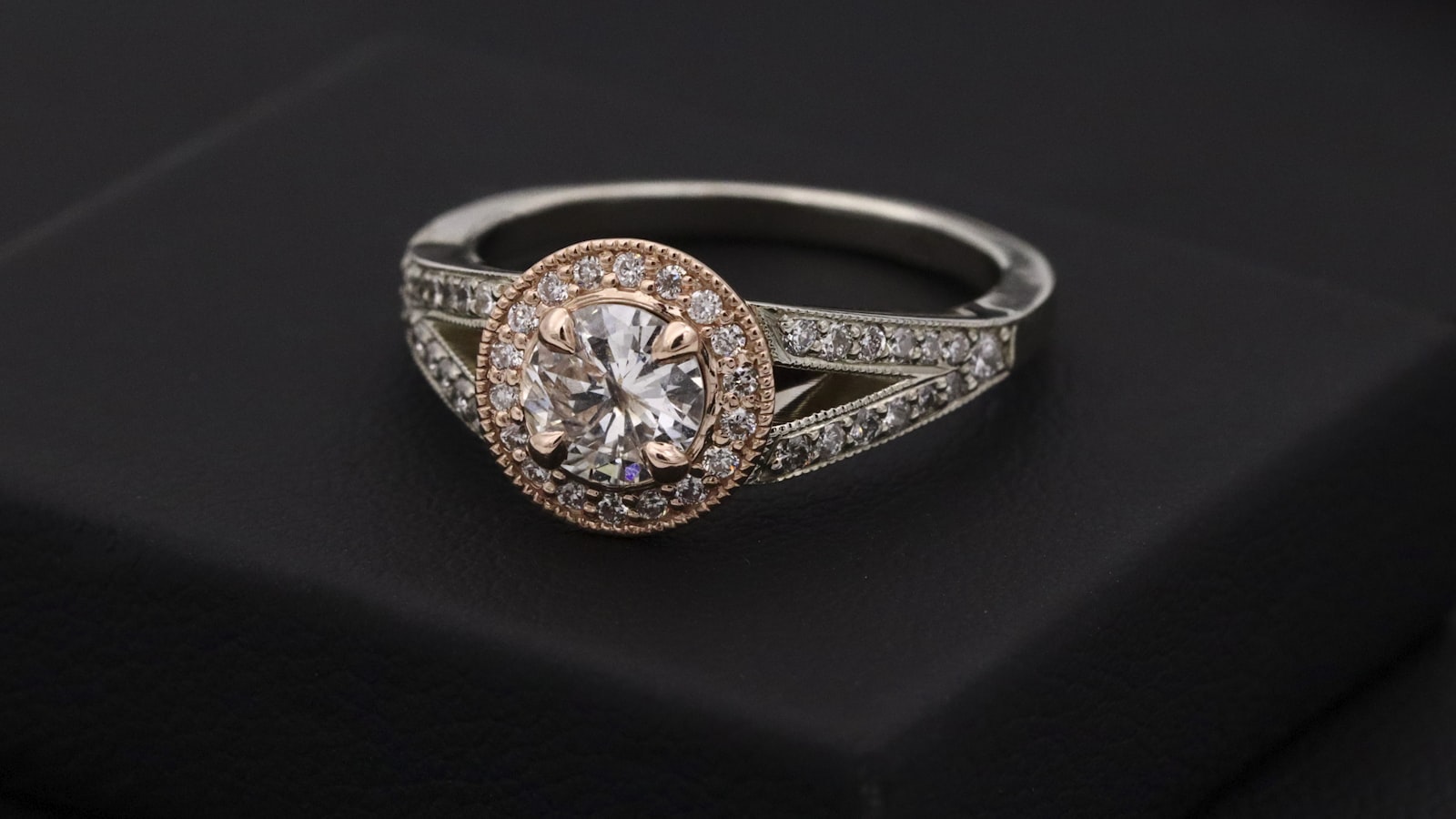
Fleshy short fingers suit a 2 to 3 mm thin band, visually lengthening; thick fingers take a 4 to 6 mm wide band, a thin one cuts a flesh line and looks thicker. A knuckle-thick, root-thin bamboo hand suits an open or elastic ring to avoid a dead band stuck on the knuckle, else wear and removal hurt.
Long nails on a thin finger take a slightly wider plain band for balance. The inner shape matters too: comfort fit, a slightly arced inner, does not bite like a flat band, and wide bands must use comfort fit. When finger-to-knuckle spread exceeds two codes, a dead band is hopeless; an open ring is a must. Wrong width makes even a dear ring look borrowed.
Hand Shape and Centre-Stone Ratio
Small hands, palm under 7.5 cm, pair best with a 0.3 to 0.6 carat centre; over one carat looks bulky. Medium hands take 0.5 to 1.2 carats; large hands can go above 1.5 carats for presence. Stone shape also reads the hand: long fingers take oval or pear for elegance; wide fingers take round or cushion for steadiness; short fingers take oval or marquise to stretch vertically.
A halo setting visually enlarges the centre without adding single-stone weight, the trick for small hands to look bigger. If the bridal centre fears looking small, a halo adds about 30 percent visually but traps dust, needing frequent cleaning. The stone-to-hand ratio is the hidden variable in whether a ring looks good, more than the brand.
The Logic of Different Fingers
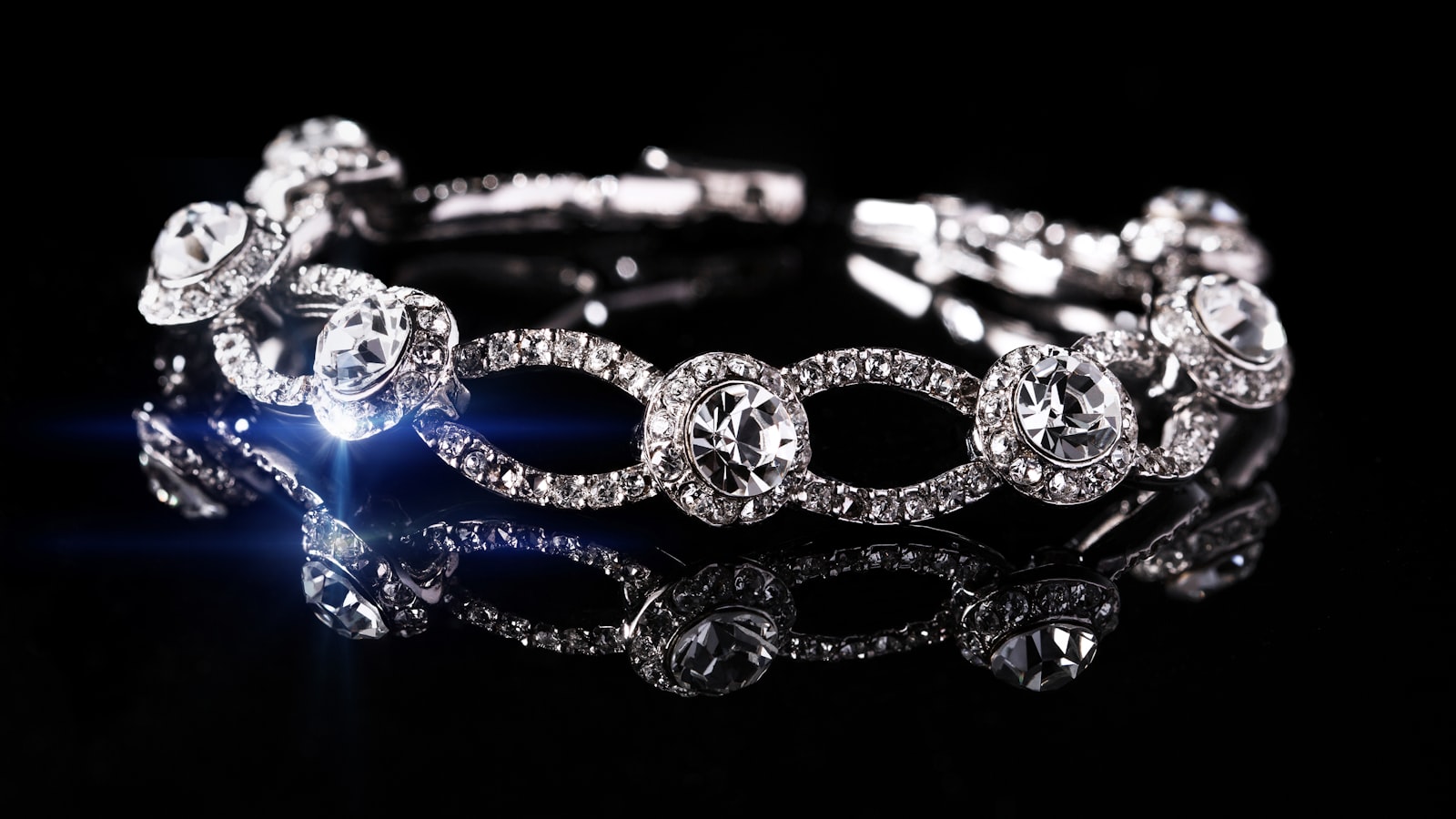
The index is most visible, fit for design or a slightly larger centre; the middle balances and suits anything; the ring finger, bridal, leans classic thin; the pinkie suits a thin plain or a signet accent. Wearing several on one hand, put the stone on the middle or ring, thin on index and pinkie, so the ends do not fight.
The dominant hand wears faster, so a plain band outlasts a set piece. Too many rings on the right index and pinkie snag clothes and hair; daily keep to two. The logic of fingers is essentially the distribution of visual weight.
Material and Cold Tolerance
Northern winters shrink the hand and loosen rings; take half a code tighter or an open style. Summer swells and a dead band can cut circulation. Sweaty hands find platinum and 18K less oxidising than silver, better long-term look. Darker skin brightens more under rose than white gold.
For metal-sensitive wearers, titanium or medical steel plain bands are not precious but zero-allergy. Material is not only value but comfort; hand shape and constitution both count. Do not sacrifice wear for fineness.
Resizing and Price
Resizing a plain gold band, plus or minus 1 to 3 codes, costs 50 to 200 RMB, about 7 to 28 dollars; K-gold resizes easier than platinum; a set piece risks loosing stones and costs 200 to 600 RMB with some styles unresizable. Open and link-adjust rings avoid resizing but deform, fit for volatile sizes.
In 2026 an 18K plain bridal pair is about 1,500 to 5,000 RMB, roughly 210 to 700 dollars; platinum Pt950 about 3,000 to 8,000 RMB, some 420 to 1,130 dollars. Try on before fixing the code; online leave resize margin. After resizing, pull-test the prongs for looseness; a set piece is best re-checked, do not let saved money become lost-stone cost.
The hidden cost of online rings: beyond size error, band width may not match the photo and the centre looks small. On arrival weigh the gold against the receipt; over 0.1 gram off, ask. Sellers who support re-check are surer; GIA and NGTC numbers verify online. Write the return and resize policy into the chat record to avoid disputes.
Bridal and daily codes can differ: the bridal sits the left ring finger, often half a code smaller if the left is slim, use the left measure. Daily on both hands takes the larger code. Pregnant fingers swell; a bride-to-be should take slightly loose or open to avoid a ring that will not fit.
Inside engraving: a date or initials is standard, but engraving slightly changes gold weight and structure and may need re-engraving on resize. Platinum engraves shallower and wears than 18K. Confirm the resize policy before engraving; some brands erase the original on resize.
Ring storage is individual too: many rings use a ring pillow or grid box to avoid scraping each other's stones. Travel uses a sponge-slot case against roll and crush. Plain bands can stack; set pieces need single cells. Fix a storage spot, return after wear, nothing lost or messy.
Band material also changes the code feel: a wide plain band looks bigger but touches more inside, so at equal code it feels tighter than a thin one, take half a code looser; comfort fit arcs closer than flat. Try on by putting in and taking out once; a slight resistance out but no pain is best. Do not only see it goes on; see it comes off.
Measuring the circumference right is only a pass; choosing width and stone ratio is what makes it look good.
Practical checklist
- Measure circumference in the evening after sitting still; take the middle code between knuckle and root
- Fleshy short fingers take 2 to 3 mm thin; thick fingers take 4 to 6 mm wide
- Small hands keep the centre under 0.6 carat to avoid bulk
- Bamboo hands prioritise open rings or comfort-fit inner
- Set pieces are costly and risky to resize; fix the code accurately
A ring's fit equals right size plus right ratio. First measure circumference with the string method in the evening, take the code between knuckle and root, away from morning and sport extremes; then pick band width by hand shape, thin for fleshy short, wide for thick, open for bamboo hands; the centre scales with palm width, small hands under six-tenths of a carat, large hands above a carat. Resizing works but a set piece carries risk, so fix the code surely. Last reminder: the dominant hand wears fast, so daily take plain gold or platinum; the bridal ring finger leans classic thin, do not sacrifice daily comfort for size. Keep the two tables, size and ratio, on your phone and you save return shipping and time. A ring worn right looks good long and earns daily wear.
Frequently asked
What if the online ring size is wrong?
Will a winter-bought code feel tight in summer?
How big a centre looks good on the hand?
Keep reading
More Jewellery
Allocation and Order for an Engagement Ring: Loose Stone, Setting, Brand Premium and Custom Lead Time
A workable plan with a 5-3-2 budget split, loose-stone priority and custom lead-time pitfalls.
Earrings and Face Shape: Studs, Threads, Hoops and Tassels, Plus Weight and Back Material
By face shape we split the four earring types, stud, thread, hoop, tassel, and cover weight limits and hypoallergenic back points.
Necklace Length and Neckline: How 40, 45, 60 and 80 cm Meet Round, V and Turtleneck
Using five lengths, 40, 45, 50, 60, 80 cm, against round, V, turtleneck and more, a formula you can follow directly.