Minimalism Without Blandness: The Three Compensations
Cut supplies shape, material supplies substance, detail supplies sincerity, and together they fill the space that subtraction leaves behind.

Minimalism is routinely misread as wearing basics because nothing else is clean, which produces an outfit that looks unattended rather than restrained. Real minimalism is the practice of subtraction, but everything you subtract has to be repaid somewhere else or what remains is simply empty. The difficulty is that the repayment happens in places nobody photographs. It is not settled by a visible logo or an added print, which only turns minimalism into a cover story for not having tried.
This piece proposes a framework of three compensations: cut supplies shape, material supplies substance, detail supplies sincerity. With all three in place, three garments can carry the presence of five. Minimalism is not about owning less, it is about every element holding up under close inspection and under strong light. It is the most demanding style there is, because nothing decorative is available to cover for you and every attractive thing about the outfit has to be earned.
Simple Is Not the Same as Bland
The first correction: fewer items does not mean less content. A successful minimal outfit is clean at a distance and has something to look at up close, whether that is the angle of a shoulder seam, the texture of a cloth or the direction of a stitch. Blandness is empty at both distances, which is minimalism left unfinished, a half-built thing that people scroll past because it gave the eye no reason to stop.
The logic of compensation runs like this: once you remove pattern, colour and ornament, the value has to be transferred into cut, material and detail. Those three are the hidden accounts of minimalism, and if the balance is short the style collapses. The threshold is not owning little, it is executing little well, so every unit of saved decoration has to be repaid with interest elsewhere or what you have saved is not minimalism but effort.
Self-check: lay the wardrobe out flat. If the plain pieces look empty together, the three compensations have not been funded, so add cut or material rather than buying another print.
Minimalism is not less. It is every part holding up under close inspection.
Cut: Shoulder Line and Silhouette
In a minimal outfit, cut is the only expression available. A shirt with a precisely placed shoulder line has more attitude than ten printed tees. What to look at: whether the shoulder point lands where it should, whether the armhole sits close, whether the hem falls naturally. A centimetre out and the whole thing drops a grade, because there is no decoration to intervene and in cut a fraction of a centimetre becomes a considerable distance in register.
For silhouette, an H-line or a very lightly shaped straight cut works best, and avoid volume introduced for no reason. Minimalism speaks through structure, which makes the pattern cutter more important than the label. When buying a minimal piece, lay it flat and read the lines, which is more reliable than looking at it on a model, since a model's body will mislead you and a flat outline will not. What you see flat is what you will wear.
The cut ledger: a shoulder line a centimetre off costs a grade of quality in the read, so lay the garment flat before buying. Model photographs mislead and the flat outline tells the truth.
Material: The Texture of Natural Fibre
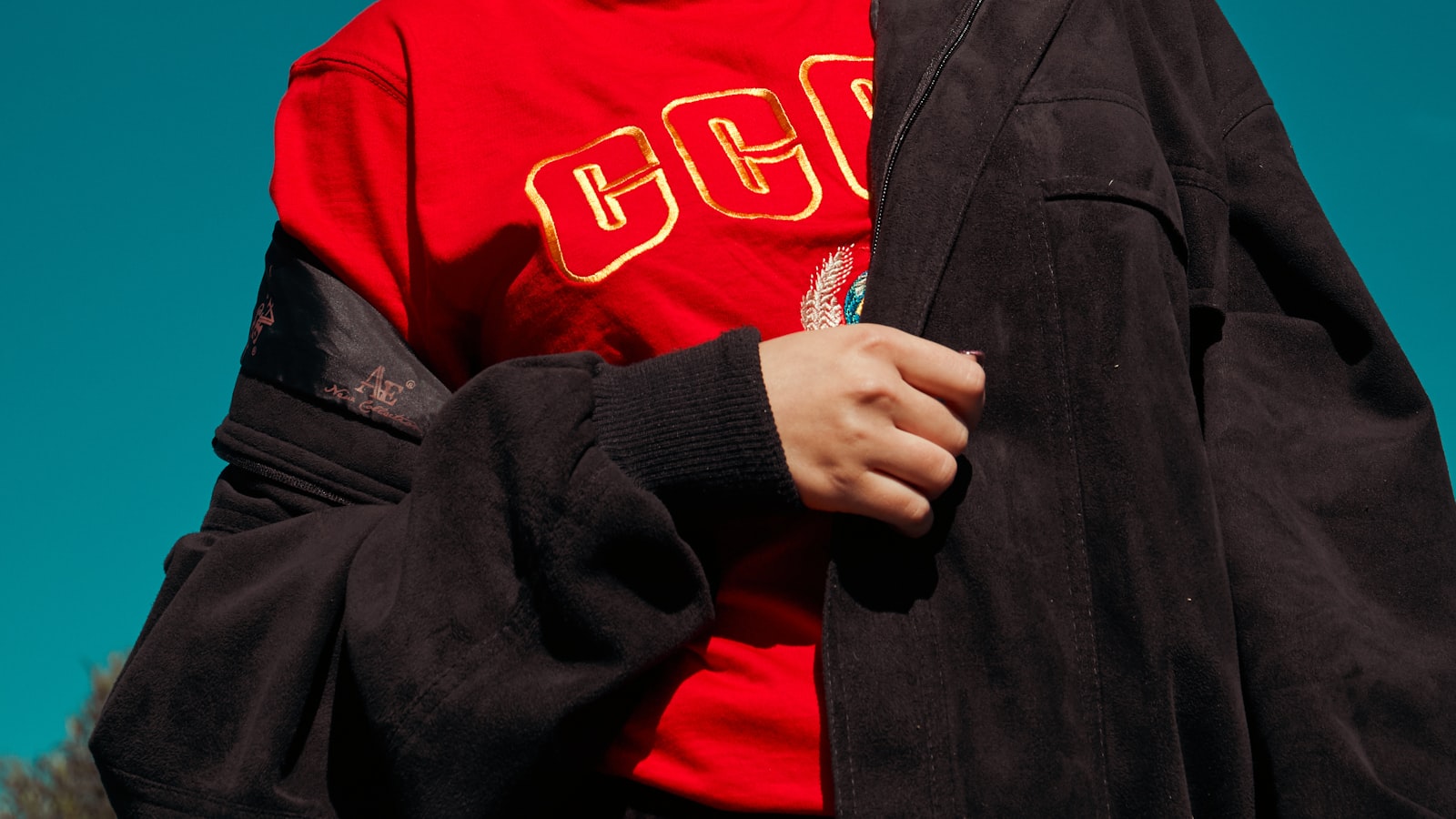
With no pattern to hide behind, the cloth becomes the subject. Natural fibres, cotton, linen, silk and wool, carry texture and drape that synthetics struggle to imitate. One heavyweight silk piece has more presence than ten polyester chiffons, because it changes as the light moves, and the register shifts with the angle. That is the kind of animated beauty minimalism prizes, and it is something printing can never supply.
A minimal wardrobe should push its proportion of natural material up, even at a higher unit price and a lower count. Minimalism in poor cloth reads cheap, because there is nothing decorative to divert attention. Moving budget from quantity to material is the best trade available here, and three good fabrics at roughly $150 to $350 each outperform ten fast-fashion pieces at $25, because the first set still holds its light after five years while the second pills within a season.
The material formula: about seventy per cent natural fibre and thirty per cent blends, with synthetic satin reading cheap. Move the budget from quantity to material, since three good cloths beat ten fast-fashion pieces.
- Natural fibre texture replaces pattern
- Heavyweight silk drapes better than polyester
- Move the budget from quantity to material
Detail: Stitching, Buttons, Hems
Detail is the third compensation and the one most often skipped. To judge whether a garment is worth it, look at whether the internal seams are tidy, whether the buttons have any substance, whether the hem is turned cleanly. Those microscopic things decide whether close inspection produces yes, someone cared or the resigned conclusion that it will do, and minimalism is the style that gets inspected closely more than any other.
You can add detail yourself: replace plastic buttons with mother-of-pearl or metal, turn the cuff back twice to show the wrist, swap in a belt with some weight to it. Those changes cost nothing and lift the whole outfit immediately. Minimal detail is not about quantity but about one gesture that survives being handled, and fingers know whether a garment is good before eyes do, so turn the lining over and the answer is in your hand.
The detail ledger: internal stitching, button substance and a clean turned hem, three checks a garment must pass. Swapping in mother-of-pearl buttons and turning a cuff twice costs nothing and lifts everything.
Layers Inside Restrained Colour
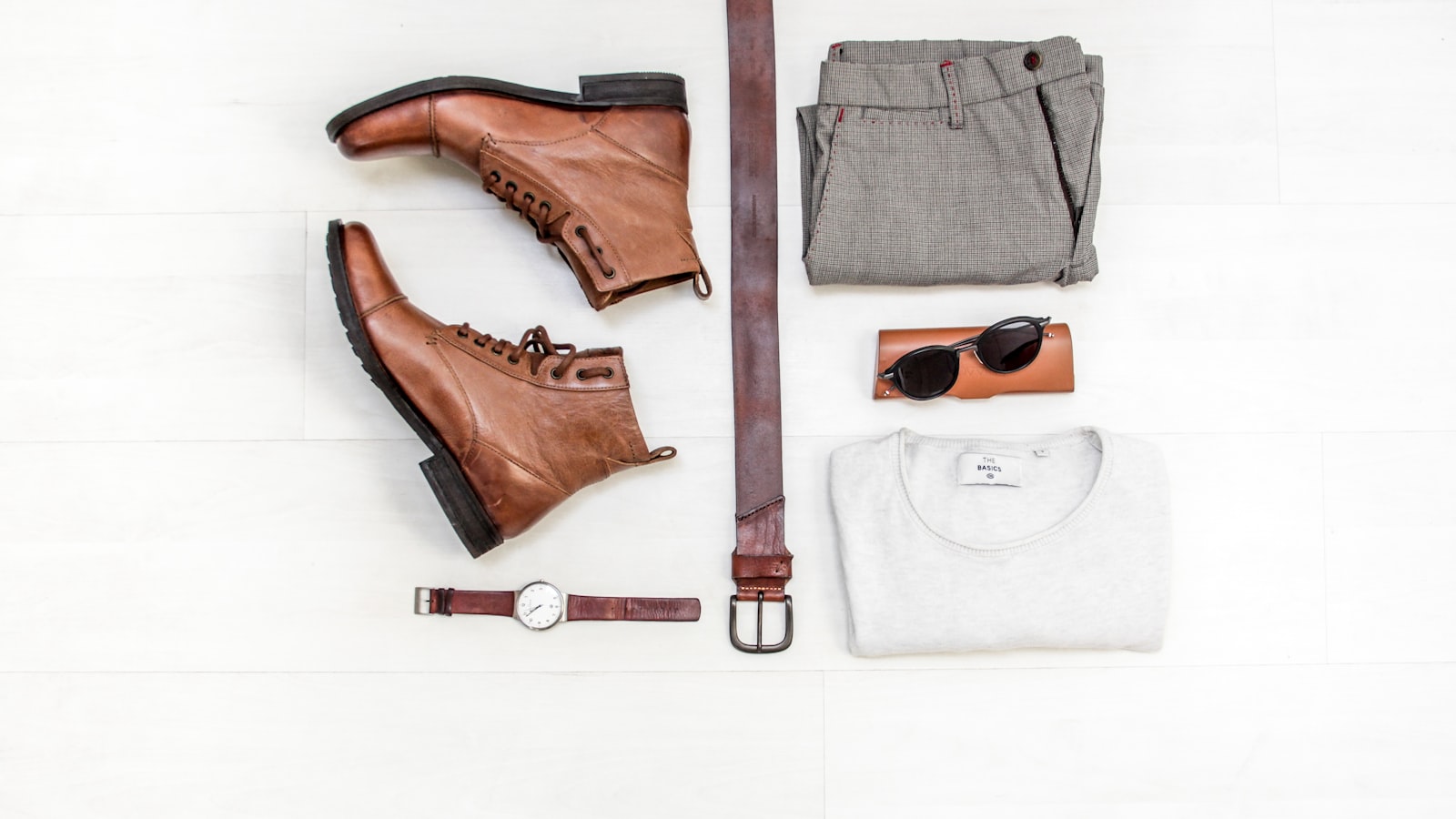
Minimalism is not exclusively black and white, it is restraint within one colour family. Build an outfit from beige, pale khaki and oatmeal, using value difference rather than hue to create layers, so it reads unified at a distance and breathes up close. Avoid three strong hues at once, which has left minimalism behind and become a different and considerably livelier style with different rules entirely.
If you want to break the surface, use one low-saturation accent, greyed blue or terracotta, as the single variable, occupying no more than ten per cent of the body. The colour skill in minimalism lies in the restrained tension of having almost no colour while unmistakably having colour, which is the art of negative space rather than the laziness of having none. That trace of colour is the position you reserve for yourself inside all that quiet.
The colour ledger: build layers from value difference inside one family, keep strong hues to one and hold it to ten per cent of the body. The skill is in having almost no colour while still breathing.
One Key Piece Sets the Key
A minimal outfit usually rests on one piece with real weight setting the key, with everything else functioning as background: a superbly cut pair of white trousers, a dropped-shoulder wool coat, a structured bag. That piece carries the attitude of the whole outfit while the others recede into support, so the composition has a spine. Without one, three plain garments sit together in silence and nobody speaks.
Choose a key piece that wears well over time rather than the season's bestseller, because a minimal wardrobe turns over slowly and each piece is worn often. A good key piece lasts five years, and amortised across every wearing it is genuinely cheaper than fast fashion as well as considerably more resistant to a critical eye. It carries the presence of the outfit for you, and all you have to do is stay quiet around it.
The key piece ledger: one enduring classic sets the key while everything else retreats. Since a single piece is worn frequently, it needs to survive five years, at which point the per-wear cost undercuts fast fashion.
Three Steps Into a Minimal Wardrobe
Clear before you buy. First, remove anything unworn for a year and keep only what is in rotation. Second, score every remaining piece against the three compensations, and if it fails on cut, material or detail, let it go. Third, add two or three good basics according to the framework rather than buying a stack all at once. Minimalism is subtraction followed by an upgrade in quality, not simply buying less.
Set a standard for individual purchases: wearable alone, pairs with at least three other pieces, natural material, precise cut. Run anything new through those four before paying, and if it fails, put it down. Hold that for three seasons and you will own a wardrobe in which every piece stands up, possibly half the number you had before, while dressing considerably better than you did.
Stated once: minimalism is not less, it is every part holding up under close inspection. Cut gives shape, material gives substance, detail gives sincerity, and with all three funding the space that subtraction left, simple finally stops being bland.
- Clear first: anything unworn for a year goes
- Then assess: failing cut, material or detail means out
- Then add: good basics chosen against the three compensations
Practical checklist
- Minimalism speaks through cut, so lay a garment flat and read its lines rather than trusting model photographs
- Raise the proportion of natural material and move the budget from quantity into cloth
- Turn the lining over and check the stitching and buttons, since detail is where sincerity is stored
- Build layers from value difference within one colour family and keep strong hues to one
- Let one enduring key piece set the register for the whole outfit
The point of minimalism is not owning little but every piece standing on its own. Cut gives shape, material gives substance, detail gives sincerity, and those three fill the space subtraction leaves so simple never becomes bland. Judge a minimal outfit on two questions: is it clean and unified from a distance, and does it survive being handled up close. When the clothes go quiet, the taste of the person wearing them starts to speak, which is exactly what makes the style so persuasive: the stage is handed back entirely to the wearer.
Frequently asked
Does minimalism look like you did not make an effort?
Does minimalism work on a petite frame?
Keep reading
More Styling
Dressing Petite: Division Points, Waist Placement and What Shoes Actually Do
Hem lengths by height, an exact waistline position and shoe choices that extend the leg, all measurable and all repeatable.
Dressing for Interviews: Industry Calibration and the First Seven Seconds
Calibrate formality to the industry, work the variables that genuinely shape a first impression, and run a checklist before you leave.
The Three-Layer Method: Thickness Gradients, Temperature Control and Proportion
Assign each layer one job, keep the bulk in a single layer, and use measured hem reveals so layering adds interest instead of width.