How a Bag Is Built, and Where the Cost Hides
Most of a bag's price lives where you cannot see it: the pattern, the hidden reinforcement, the stitch density, and the hardware behind the zip.
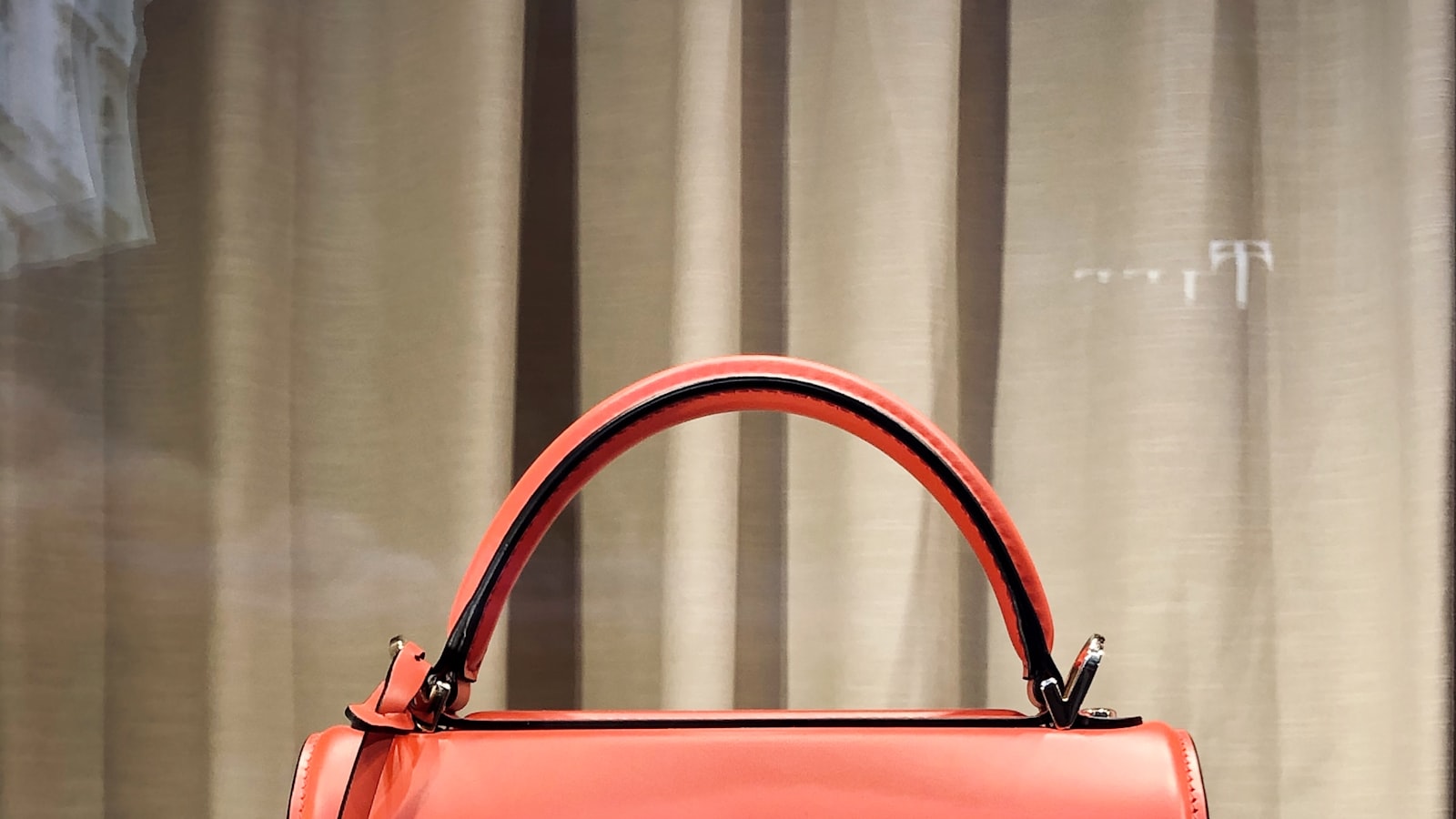
A finished bag tells you almost nothing about what it cost to make. The smooth exterior, the tidy topstitch, the satisfying click of the zip, these are the visible tenth. Beneath them sits a structure of pattern engineering, hidden reinforcement, and hardware specification that quietly decides whether a bag survives a decade of daily commuting or sags into rags within two years. When you learn to read those invisible layers, you stop paying for a logo and start paying for construction. What follows is less a buying guide than a vocabulary for the parts you are not meant to see.
The industry rarely shows you the inside because the inside is where margins are made and lost. A workshop can print the same handsome leather on two entirely different skeletons and charge the same price for both. This piece walks through the five places cost accumulates, from the first paper pattern to the last edge of paint, so that the next time you hold a bag you can feel what you are actually buying.
The Pattern Is the Foundation
Every bag begins as a two-dimensional puzzle. A pattern cutter translates a three-dimensional object into flat panels that, once folded and sewn, regenerate volume. The skill here is invisible: a poorly drafted pattern forces the maker to compensate with thick interlinings and heavy glues, which add weight and eventually crack. A good pattern lets thin, honest materials hold their shape because the geometry is doing the work. This is why two bags of identical dimensions can weigh wildly different amounts and why the lighter one is often the better made. Pattern cost scales with iteration. A house that tests a design through a dozen prototypes has spent real money before a single unit ships, and that cost is baked into the retail price. Cheap bags skip this stage entirely, copying a competitor's silhouette with a ruler and hoping the proportions survive. They usually do not. The shoulder seam drifts, the gusset puckers, the base bows under load. None of it shows in a product photograph, and all of it shows in the first month of use. There is a quiet economy in pattern work: a cutter who knows the grain orients each panel so the hide's strength runs along the stress lines, letting thinner leather do the job of thicker. The pattern is not only the first cost; it sets every cost after it.
- A well-drafted pattern carries load through geometry, not glue
- Prototype iteration is the first real cost a brand absorbs
- Copied silhouettes almost always fail at the seams under real use
Structure: Frame, Interlining, and Reinforcement
Structure is the second hidden cost. A bag can be self-supporting through its leather alone, or it can lean on a skeleton of foam, fibreboard, and metal. Structured totes and framed clutches use reinforced panels sewn between the lining and the outer, and the quality of that interlining determines whether the bag stands or collapses. Cotton canvas interlining is cheap and softens quickly; layered felt and resin board hold a crisp edge for years but cost more and add grams. Load-bearing points deserve special attention. The corners where a handle meets the body, the base where the bag meets the floor, and the rivets that anchor a strap are where bags actually die. Reinforced with hidden leather tabs and brass rivets, those points absorb stress instead of transferring it to the stitch line. Skip the reinforcement and the first thing to go is the thread, then the hole, then the leather. A ten-dollar reinforcement decision is the difference between a bag that is repaired and a bag that is replaced.
Hardware: Brass, Zamak, and Plating
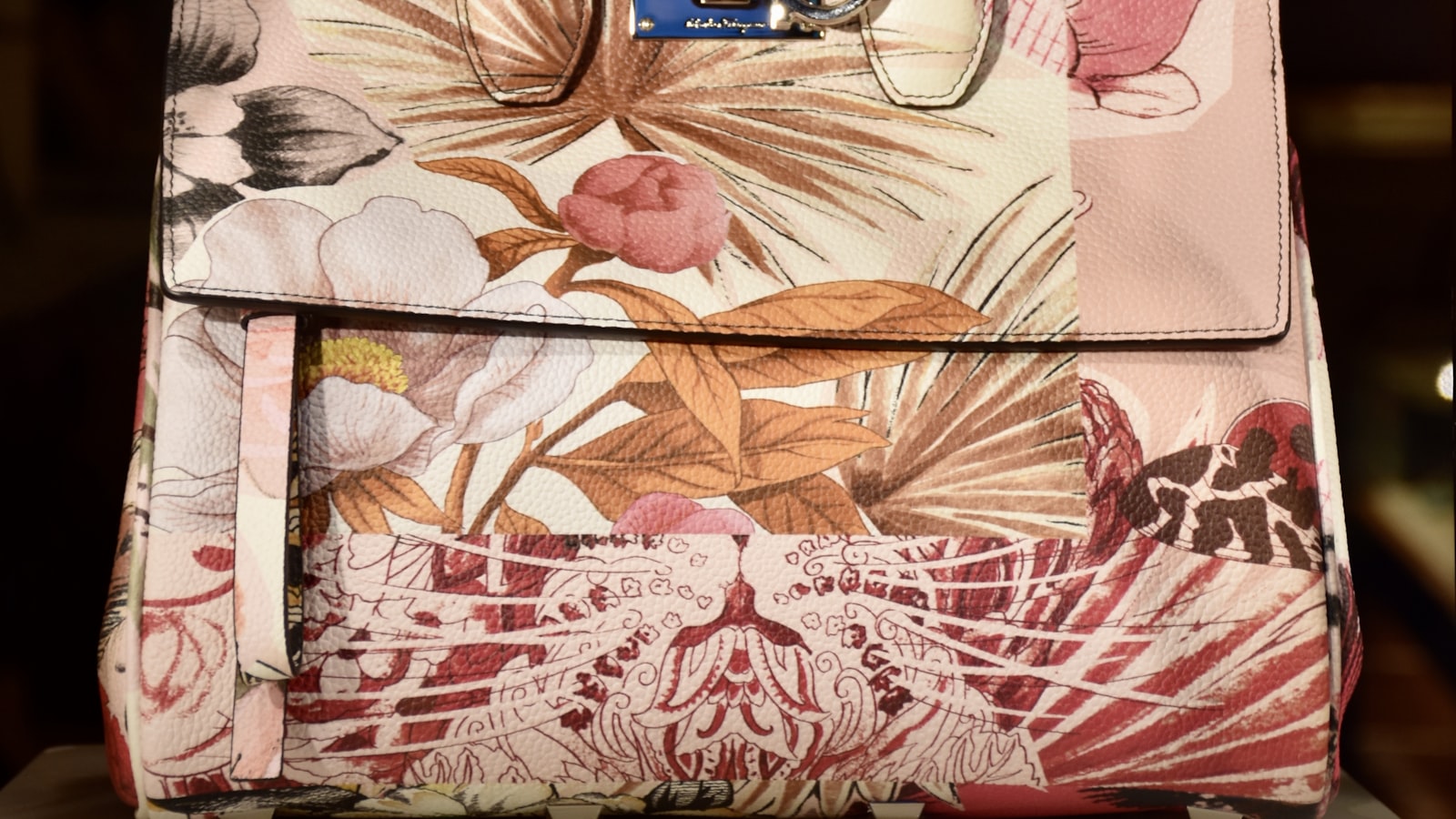
Hardware is where price and longevity part ways most dramatically. Solid brass is dense, tarnishes to a pleasant patina, and costs several times more than zamak, a zinc alloy that is cast cheaply and plated to look like metal. Zamak hinges and catches are perfectly serviceable for light use but they bruise, the plating pits, and once the surface breaks the base metal corrodes. Solid brass can be re-plated indefinitely. The difference is felt in the hand: brass has heft; zamak feels hollow. Plating thickness is measured in microns, and the number tells the story a logo cannot. A fashion brand might specify one micron of gold or palladium over a base; a heritage maker specifies three to five. The zip is the most abused component on any bag, and here the names matter. YKK is the universal standard, but within it Excella and Lampo are the premium lines, with larger, individually polished teeth and smoother pulls. On a bag you open forty times a day, the zip is not detail. It is the product.
The zip is the most abused component on any bag, and on a bag you open forty times a day it is not detail, it is the product.
Stitching Density and Why It Matters
Stitch density is counted in stitches per inch, and the range runs from a loose five to a tight eleven. More stitches distribute stress across more thread and more holes, so a densely stitched seam resists tearing far better than a sparse one. Hand saddle-stitching, two needles locking through the same holes, has a property no machine seam matches: if one stitch breaks, the line holds. A machine lockstitch, by contrast, unravels from the point of failure. Density costs time, and time is the largest variable in a bag's price. A workshop charging for hand stitching at eight to ten stitches per inch is billing hours that a factory sewing at five per inch simply does not spend. The visual cue is consistent: even, slightly raised, regularly spaced stitches signal care. Irregular spacing is not a charming imperfection; it is a sign the operator was rushing, and rushing is where bags come apart.
Edge Finishing: Paint Versus Burnish
The cut edge of a leather panel is the most exposed surface on a bag, and how it is treated separates casual from considered. Burnished edges are rubbed with a bone or glass tool and a little gum tragacanth until the fibres compress into a smooth, rounded finish, sometimes coloured with wax. It is slow and beautiful and it ages gracefully. Painted edges apply layers of edge paint, sanded between coats, to seal the leather completely. Painted edges resist scuffing and look crisp on structured bags, but cheap paint cracks as the leather flexes, and once it flakes the edge looks worse than bare leather. Burnish is harder to damage and easier to refresh at home with a little wax and friction. Neither is universally superior; the tell is whether the edge treatment matches the bag's ambition. A painted edge on a bag with a zamak zip is a costume. A burnished edge on a bag with solid brass is a promise.
Where the Money Actually Goes
Add the layers and a clear picture emerges. The leather itself is often a smaller fraction of cost than buyers assume, perhaps a fifth of the material bill. The pattern, the interlining, the hardware grade, the stitch density, and the finishing together decide the rest. A bag that feels expensive usually is expensive to make, and a bag that merely looks expensive has spent its budget on the outside and economised on everything underneath. The practical takeaway is to invert your inspection. Turn the bag inside out if you can. Feel the interlining, weigh the hardware, run the zip, count the stitches at a stress point, and check whether the edge is burnished or painted and whether that matches the price. The brands that build honestly are happy for you to look. The ones that cannot are counting on the photograph, and on the fact that most people never turn a bag inside out.
Practical checklist
- Turn a bag inside out before buying to judge interlining and reinforcement
- Weigh it in your hand; heavy hardware usually means solid brass, not zamak
- Run the zip fully and listen for a smooth pull rather than a gritty catch
- Count stitches near the handle base; tight, even spacing signals care
- Match the edge treatment to the price; burnish belongs with good hardware
A bag is a small piece of industrial design pretending to be a simple object, and the pretense is the point. The cost that matters is almost never the part you photograph; it is the pattern that was tested, the reinforcement that was added where stress lands, the brass that was chosen over cast alloy, the stitches that were counted, and the edge that was finished to match. Learn to read those five things and you will spend less money over a decade, because you will buy one bag that earns the word heirloom instead of four that quietly retire. The inside of a bag is the most honest writing a brand produces, and it is worth learning to read.
Frequently asked
Does expensive leather guarantee a bag will last?
Is hand stitching worth paying extra for?
Why do two bags in the same leather feel so different in weight?
Should I avoid bonded leather entirely?
Keep reading
More Bags & Shoes
Hats and Face Shape: Crown, Brim, and Proportion
A hat is a frame for the face. Read crown height and brim width in centimetres against your shape, and the fedora, beret, bucket, and cap fall into place.
Belts: Strap Width, Buckle Scale, and the Waistline
A belt sets the proportion of the whole outfit. Get the strap width, the buckle scale, and the waistline height right, and the small errors disappear.
Eyewear and Face Shape: Lens, Bridge, and Temple
Glasses are measured, not admired, into place. The three millimetre numbers on the temple decide fit before the shape decides flattery.