Gold Purity and Craft: Where Solid, K-Gold, 3D Hard Gold and Ancient-Method Gold Part Ways
From fineness stamps and hardness figures to per-gram versus fixed-price accounting, we draw the real boundaries between four kinds of gold jewellery and what they actually hold.
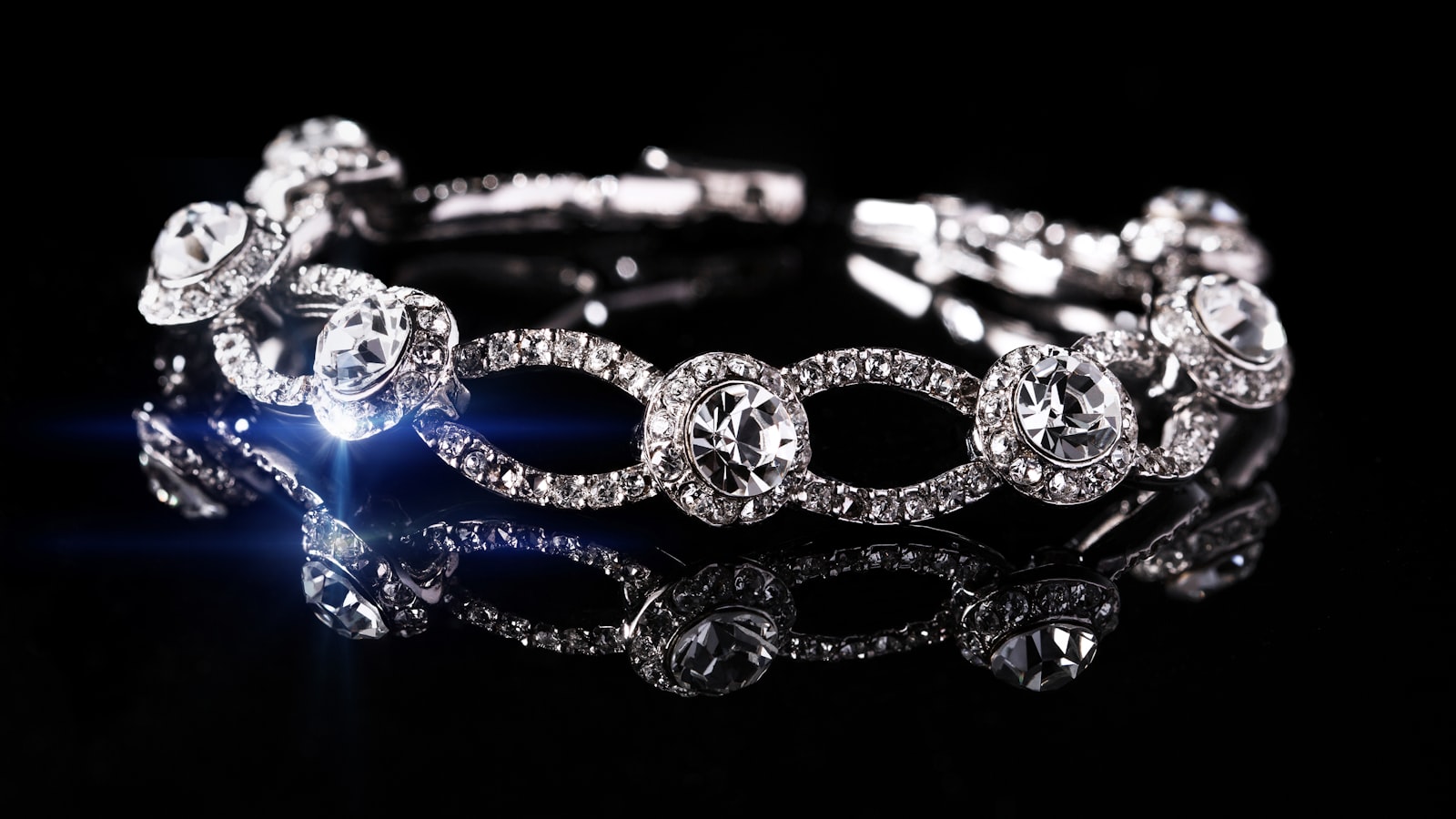
Behind the word gold in jewellery sit at least four craft routes. By fineness there is solid gold, Au999, and K-gold at 9K, 14K, 18K; by forming method there is traditional casting, 3D electroformed hard gold, 5G gold and hand-chased ancient-method gold. Shoppers routinely confuse high purity with good craft, then pay solid-gold money for soft metal that bends, or pay K-gold prices fearing low fineness. This article uses fineness numbers, hardness data and a pricing formula to draw the boundaries between the four kinds clearly.
A piece's final price equals gold price times gold weight plus workmanship fee, or a fixed price. Solid gold sells by the gram, while K-gold and hard gold usually sell by the piece, and that gap is the craft premium. Read the four comparisons below and you will not be swayed in the store by lines like this hard gold holds value better. First accept a fact: no workmanship fee on any gold piece is refunded at buyback, so the premium buys wear experience, not an asset.
Stamps and Actual Gold Content
China's standard GB 11887 requires a fineness mark on gold jewellery. Solid gold, pure gold, is at least 99.0 percent gold, commonly Au999 or Au990; the old terms thousand-per-mille and ten-thousand-per-mille are banned, so solid gold alone is the legal label. K-gold is gold alloyed with silver, copper, zinc, palladium and the like; 24K is theoretical pure gold. 9K is 37.5 percent gold, 14K is 58.5, 18K is 75.0, 22K is 91.6.
The marks read Au375, Au585, Au750, Au916. Lower fineness means higher hardness and more controllable colour, which is why fashion settings almost all use 18K. Before buying, flip the piece to check the steel stamp inside the band or on the clasp; anything without a stamp is off limits. Note that some sellers use 750 instead of Au750, same meaning but more hidden, so confirm the number.
- Au999 solid gold is at least 99 percent gold
- Au750 is 18K at 75 percent gold
- Au585 is 14K at 58.5 percent gold
- Au375 is 9K at 37.5 percent gold
- Au916 is 22K at 91.6 percent gold
Hardness and Wear Scenes
Pure gold sits at about 2.5 to 3.0 on the Mohs scale; a fingernail can mark it and it scratches and bends easily, so solid gold is wrong for fine chains and for the prongs that hold a centre stone. 18K rises to about 4.0 to 4.5 with its alloys and can carry dense settings and sharp lines; 14K is harder still, about 4.5 to 5.0, and dominates Western daily wear; 9K is hardest but off-colour and low in domestic acceptance. If you sweat a lot or do housework, 18K outlasts solid gold by a wide margin, and that is a material fact.
But solid gold wins on lossless remelting and redesign, while K-gold buyback is discounted by gold content. A common myth: higher hardness is not purer. 3D hard gold pushes solid gold's hardness close to 18K, about 4.0, through electroforming rather than alloying, so it stays Au999 yet can be hollow and light and resist flattening. At purchase confirm the stamp is Au999 or Au750; the two have completely different buyback logic and can differ in price by half.
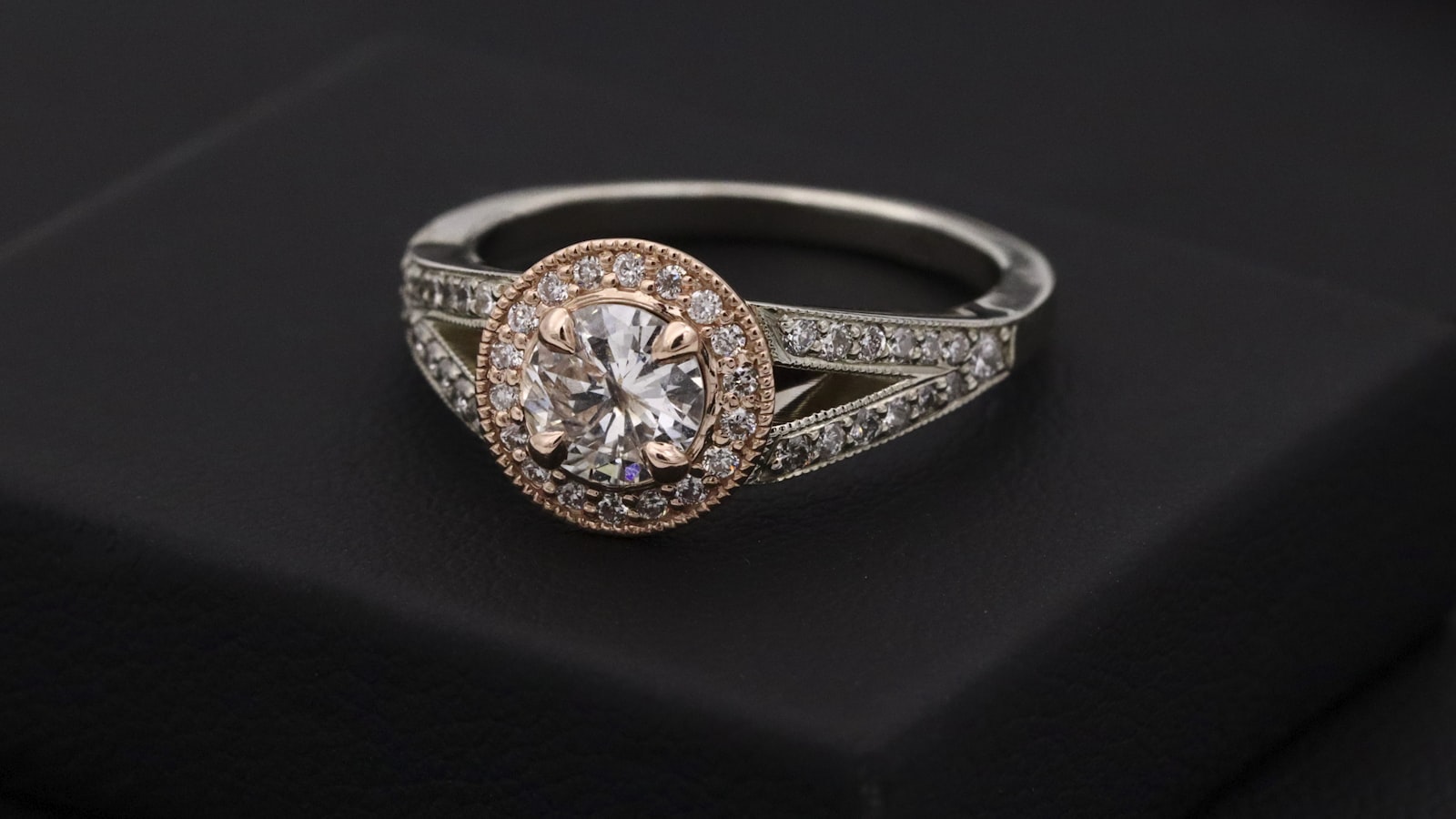
3D Hard Gold and 5G Process
3D hard gold is electroformed so the gold deposits inside the mould at very high flow speed; the atoms pack denser, hardness rises nearly fourfold, and it can be made hollow and large, a hollow pendant for instance, at only one-third to one-half the gold weight of traditional solid gold by volume. The upsides are light, size-looking and crush-resistant; the downside is that hollow fears pressure, and once flattened it cannot be repaired, only bought back as scrap.
5G gold is the upgrade; it keeps solid fineness while adding rare elements for ductility and hardness, enabling thinner brighter mirror pieces at higher workmanship cost. Both sell at a fixed price, and the per-gram conversion often runs 1.5 to 2.5 times the day's gold price. Choose them if you want light and size-looking and do not mind the craft fee; choose otherwise if you want real gold mass. Remember: hard gold protects the gold mass, not the craft, and a crush only pays the gold weight.
Ancient-Method Gold and Chasing
Ancient-method gold is traditionally cast then hand-chased and burnished to a matte, frosted finish, the heritage lines being the example. Its fineness is mostly Au999 or Au9999, and the traits are a thick look, lasting appeal and resistance to fingerprints, with workmanship at about 30 to 120 RMB per gram, far above the 10 to 30 RMB per gram of ordinary solid gold. The hand traces give a warm quality machine mirror gold lacks.
Ancient-method pieces are mostly solid or thick-walled, heavy in gold and high in total price, suiting bridal and inheritance but not young buyers chasing light and size. Tell by the surface: hand chasing is not perfectly uniform, while machine faux-antique lines are regular and dead. Heft in the hand is the direct test; a hollow faux-antique feels obviously light. When buying ancient-method gold, ask whether it is by gram or fixed price so you do not overpay for workmanship.
Taking the Pricing Apart
Solid and ancient-method gold sell by the gram: total equals live gold price, about 560 RMB per gram in 2026, times gold weight plus workmanship. K-gold, 3D and 5G mostly sell by the piece with no disclosed weight, so the converted unit price is often high. Example: a fixed-price 3D pendant tagged 3,800 RMB weighed 3.2 grams, worth 1,792 RMB in metal at 560, nearly doubling the craft premium.
At buyback the three differ sharply: solid gold is repurchased at live price minus 5 to 15 RMB per gram; K-gold is converted by gold content, 18K at about gold price times 0.75 minus loss; 3D hard gold, though solid, is hollow and still bought back by Au999 gram weight with no craft refund. So hard gold holds value is a pitch; what it holds is the gold mass, not the craft. For any fixed-price piece, demand the gold-weight receipt; it is your only basis for checking.
Colour and Matching Logic
K-gold shows yellow, white and rose by alloy mix. 18K white, Au750 with palladium or nickel, needs rhodium plating for true white and will yellow as the plate wears, needing periodic re-plating; 18K rose, with copper, is stable in colour but reads dark on deep skin; 22K leans red and high in fineness, loved more in Southeast Asia. Solid gold comes only in warm yellow, and ancient-method reads matte yellow through its frost.
For matching, cool pale skin brightens under white gold or platinum; warm yellow skin harmonises better with solid gold or rose. Bridal sets often mix gold and platinum, but because the two metals differ in hardness, platinum will abrade gold over time, so wear them on separate fingers or in the same colour. Colour is an aesthetic choice, fineness is a value choice; do not confuse the two.
Price Bands and Buying Advice
In 2026 solid gold retails around 560 to 620 RMB per gram, about 79 to 87 US dollars, for basic pieces with workmanship; ancient-method gold with workmanship added runs 620 to 740 RMB per gram, roughly 87 to 104 dollars. 18K pieces sell by the piece: a plain band is 800 to 2,500 RMB, some 110 to 350 dollars, and set pieces run 3,000 to 20,000 RMB. 3D hard gold fixed-price pendants sit mostly between 1,500 and 6,000 RMB, about 210 to 850 dollars. A bridal solid bangle at 30 grams totals around 18,000 to 23,000 RMB, roughly 2,530 to 3,240 dollars.
Advice: for daily design wear choose 18K, because pure gold is soft and bends; for inheritance value choose a solid, thick-walled bangle; for light size-looking choose 3D hard gold but accept no repair; for quality feel choose ancient-method gold. The four are not ranked, only matched. In the store ask three things first: what is the gold content, by gram or by piece, and how does buyback work. Once those are clear, pay.
On buyback channels, brand stores, banks and pawnshops quote differently: brands take only their own and discount hard, banks take only investment bars, pawnshops are flexible but press the price. Trade-in traps hide in repurchase thresholds and depreciation fees, so compute the real gold price you get. Roadside scales are inaccurate; trust a chain store with a live price board.
A home test: solid gold hits the floor with a dull thud and barely bounces; 18K sounds crisp and jumps a little. A magnet rules out some fakes, true gold is not magnetic, but tungsten is also non-magnetic, so a certificate still backs it. The steadiest path for ordinary buyers is the Au999 or Au750 stamp plus an NGTC receipt, not a verbal promise.
Gold's value is in the gram weight; craft's value is in the workmanship fee. Keep the two separate.
Practical checklist
- Read the stamp first: Au999 is solid gold, Au750 is 18K, do not let the pitch confuse them
- For daily fine chains and settings choose 18K; pure gold is soft and bends
- 3D hard gold fears pressure; flattened it cannot be repaired, so remove it for sport
- For any fixed-price piece, demand the gold weight before buying and compute the unit price
- Buyback pays only the gold mass; ancient-method and hard gold workmanship fees are not returned
A gold piece's goodness is not on the purity axis alone; it is in the match of fineness, hardness, craft and pricing. Solid Au999 is soft yet true, fit for inheritance and remelting; 18K Au750 is hard and crisp, carrying design and settings; 3D and 5G trade craft for form, light and size-looking yet pressure-shy; ancient-method trades hand work for feel, heavy and handsome at a higher price. In the store ask three things: gold content, by gram or by piece, and how buyback works. Separate the gold-mass price from the workmanship fee and you can judge whether the extra money was worth it. Last reminder: every fixed-price piece demands a gold-weight receipt, the only handle against overpaying for craft. Gold jewellery rarely blows up, but the buyers who pay blindly are always the majority. Burn the fineness numbers into memory and next time you will out-know half the sales floor.
Frequently asked
Which holds value better, solid gold or 18K?
Is 3D hard gold pure gold?
Why is ancient-method gold so much dearer than ordinary solid gold?
Keep reading
More Jewellery
Allocation and Order for an Engagement Ring: Loose Stone, Setting, Brand Premium and Custom Lead Time
A workable plan with a 5-3-2 budget split, loose-stone priority and custom lead-time pitfalls.
Earrings and Face Shape: Studs, Threads, Hoops and Tassels, Plus Weight and Back Material
By face shape we split the four earring types, stud, thread, hoop, tassel, and cover weight limits and hypoallergenic back points.
Necklace Length and Neckline: How 40, 45, 60 and 80 cm Meet Round, V and Turtleneck
Using five lengths, 40, 45, 50, 60, 80 cm, against round, V, turtleneck and more, a formula you can follow directly.