Acne by Grade: Comedones, Inflammatory Papules, Nodules and Cysts - and Where Self-Care Ends
Grade acne by type and severity - comedones, inflammatory papules, nodulocystic - with what to use, how often to reassess, and the step that must go to a doctor.
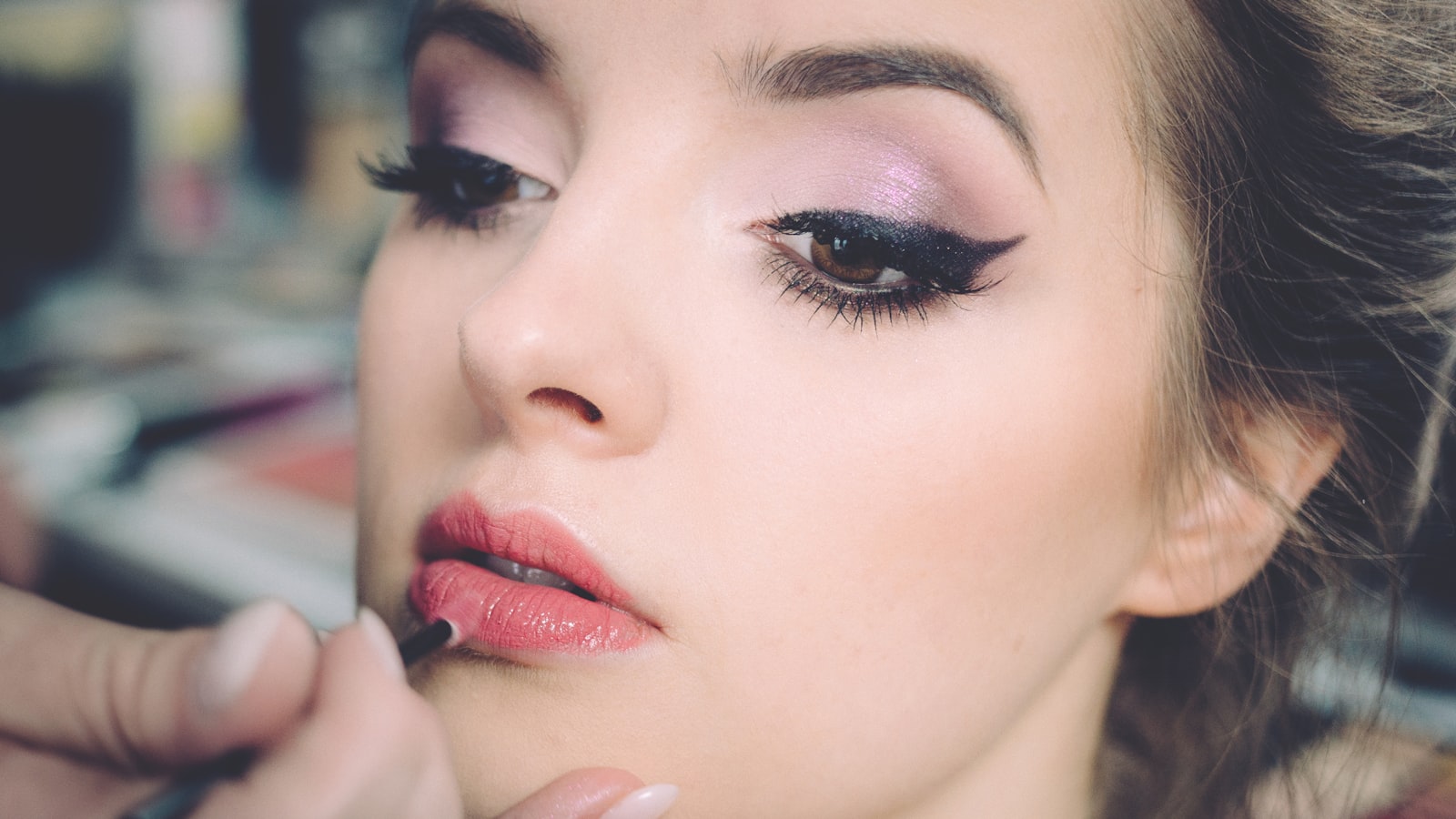
Acne is hard because most people call every bump a pimple and fight different pathology with one product. Acne builds through four steps: rising sebum, abnormal follicular keratinisation that clogs, Cutibacterium acnes overgrowing in the low-oxygen, lipid-rich follicle, and the inflammation that follows. Comedones sit in the first two steps; inflammatory papules and pustules reach the third and fourth; nodules and cysts carry deep inflammation and tissue destruction, and the logic differs sharply.
Once graded, the strategy is clear: comedone-led uses a retinoid to clear, inflammatory-led adds antimicrobial and anti-inflammatory, and recurrent nodules or cysts must be referred for systemic therapy. Set the reassessment clock up front - topical plans read on 8 to 12 weeks, not three days.
First, name what you have
The eye can preliminarily sort. Closed comedones are skin-coloured or white bumps with a keratin plug on pressure; open comedones are blackheads, oxidised at the tip. Inflammatory papules are red, tender, no clear head. Pustules carry a yellow-white tip. Nodules exceed 5 mm, sit deeper, and hurt on pressure. Cysts feel soft and fluctuant and scar on healing. Clinical grading puts comedone-led with few inflammatory lesions as mild, many papules and pustules as moderate, and frequent nodules or cysts or truncal involvement as severe.
Grade decides not just the drug but the expectation. Mild responds to topicals, with clear change by 8 to 12 weeks. Moderate often needs topical plus oral antibiotic. Severe basically needs oral isotretinoin-class systemic therapy, and earlier is better to cut permanent scarring. A recurrent deep nodule in the same spot is no longer a self-trial item.
- Comedone-led: mild, topical retinoid starts it
- Many papules and pustules: moderate, combined plan
- Nodules, cysts, or scarring: severe, see a doctor
- Wide truncal involvement also belongs to the doctor
Name the lesion before you name the treatment.
Comedone-led: retinoids first
Topical retinoids normalise follicular keratinisation and turnover to clear the clog - the only topical class that acts on the microcomedo source. Adapalene 0.1% gel is pharmacy-available in most places, stable, light-insensitive, and less irritating than tretinoin, so it is the entry choice; tretinoin 0.025% to 0.05% is stronger but irritates more and needs a prescriber. At night after cleansing, a pea-sized amount thinned over the affected areas, starting twice or three times a week and stepping to nightly over two to four weeks. The first 2 to 6 weeks may bring more lesions and flaking as latent microcomedones surface; add moisture and do not stop-then-restart.
Supports: salicylic acid 2% at pH 3 to 4, lipid-soluble so it enters the pore, suits blackheads and oily zones, 2 to 3 times a week; azelaic acid 15% to 20% antimicrobial, anti-inflammatory, and tyrosinase-inhibiting, and usable in pregnancy - a rare multi-tool. Topical products run about $4 to $28.
- Adapalene 0.1%: start two to three times a week
- Salicylic 2%: oily and blackhead zones, 2 to 3 times a week
- Azelaic 15% to 20%: pregnancy-safe, also fades marks
- Pair with oil-free moisturiser and full sunscreen throughout
Acne is chronic; judge it by the quarter. A product that 'works in three days' usually just temporarily pressed the keratin flat.
Papules and pustules: antimicrobial plus anti-inflammatory
Benzoyl peroxide kills C. acnes by releasing free oxygen and does not breed resistance; 2.5% and 5% differ little in trials, while above 5% irritation and fabric bleaching climb, so start at 2.5%. Apply at night as a spot or thin field, but it oxidises retinoids, so keep the two on separate clocks. Topical antibiotics like clindamycin or fusidic acid add antimicrobial and anti-inflammatory action, but long solo use selects resistance; the rule is combine with benzoyl peroxide or a retinoid and cap the course at 12 weeks.
Moderate cases often need an oral antibiotic: doxycycline 100 mg daily or minocycline, typically 6 to 12 weeks with a topical maintenance, and beyond three months solo is not advised. This needs a prescriber - doxycycline photosensitises, so strict sunscreen is mandatory during the course. Do not buy antibiotics and rub them on long-term; it drags the course and builds resistance.
- Benzoyl peroxide from 2.5%, separate timing from retinoids
- Topical antibiotic never solo; combine and limit the course
- Oral antibiotic needs a clinician and disciplined sunscreen
- Past 12 weeks, shift to maintenance, not indefinite antibiotic
Benzoyl peroxide kills the bug without breeding resistance.
Nodules and cysts: the doctor's step
Recurrent nodules and cysts mean deep inflammation and dermal destruction with a high scar rate, and no cosmetic product handles them. Oral isotretinoin is the most effective systemic therapy for severe acne; by shrinking sebaceous glands and sebum it acts at the source, with cumulative dose usually designed around 120 to 150 mg per kg of body weight over months. It carries clear and serious teratogenicity, so strict contraception during and after the course is required, with liver enzyme and lipid monitoring per the prescriber; common effects are cheilitis, dry nasal mucosa, night-vision dip, and joint or muscle ache.
Women with irregular periods, hirsutism, and jawline clustering may be assessed for anti-androgen therapy such as spironolactone or a combined oral contraceptive with anti-androgen activity. A single large acute cyst can be intralesionally injected with corticosteroid by a clinician for fast flattening. These are prescription matters; this article notes the paths exist, but the plan must come from a visit, not from here.
- Recurrent deep nodules: see dermatology early
- Isotretinoin is prescription, with contraception and monitoring
- Anti-androgen paths fit specific endocrine patterns
- A single large cyst may warrant a clinician's injection
Cysts are a clinician's problem, not a bathroom's.
Daily habits that work against you
Squeezing is the top offender. Finger pressure drives contents into the reticular dermis, widens inflammation, and directly raises the odds of an atrophic scar. Next is over-cleansing: three or four washes a day with soap bar plus brush plus scrub breaks the barrier and triggers compensatory sebum, worsening things. Third is skipping moisturiser; both retinoids and benzoyl peroxide dry, and without moisture you cannot tolerate the dose and must quit. Fourth is skipping sunscreen; post-inflammatory hyperpigmentation depends almost entirely on UV to deepen, so the weight sunscreen carries against marks beats any brightening serum.
Diet evidence is moderate: high-glycaemic-load eating and skim dairy or whey in several observational studies and a few RCTs tracked with worse acne, so cutting refined sugar and sugary drinks is a low-risk trial, but do not extremify carbs to zero. Cheap, side-effect-free moves: change the pillowcase weekly, wipe the phone screen, avoid resting the chin on the hand.
A subtler aggressor is the 'cleanse to fix' loop, where one breakout triggers a deeper scrub the next morning, which inflames and then pigments, which triggers more scrubbing. Breaking that cycle - the same gentle routine, actives kept at prescription strength and frequency - is often what finally lets a plan work. Patience with the 8 to 12 week window matters more than any single product swap.
- Do not squeeze, especially deep nodules
- Wash at most twice daily; drop the brush and scrub
- Treatment phase must carry oil-free moisturiser or you cannot persist
- Cut sugary drinks and whey powder
Squeezing trades a pimple for a scar.
Marks and scars are two different things
Red marks are post-inflammatory erythema - dilated capillaries and residual inflammation - mostly self-fading over 3 to 6 months, with niacinamide 4% to 5% or azelaic as topical options and stubborn cases possibly pulsed-dye laser by a clinician. Brown marks are post-inflammatory hyperpigmentation from inflammation activating melanocytes; strict sunscreen plus pigment inhibitors like vitamin C, niacinamide, or topical tranexamic acid, usually 3 to 6 months. Both still have room to recover.
Scars are not. They are dermal collagen destroyed into a depression - icepick, boxcar, rolling - and no product fills them. Effective options are fractional laser, microneedle radiofrequency, subcision, and fillers, usually multiple sessions at hundreds to a few thousand dollars each, chosen by type. This is why the earlier sections stress not squeezing and treating severe acne early: preventing a scar costs far less than repairing one.
- Red marks: wait plus anti-inflammatory, 3 to 6 months
- Brown marks: sunscreen plus pigment inhibitors, by quarter
- Scars: need medical intervention; no product can fill them
- When unsure of type, photos over time are more objective
A mark has a clock; a scar does not.
When to see a doctor and how to budget
See a clinician rather than keep self-treating if: nodules, cysts, or scarring appear; a correct topical plan shows nothing after 12 weeks; lesions multiply fast with fever or malaise; the trunk is widely involved; a woman shows menstrual, hirsutism, or hair-loss endocrine clues; or a drug newly causes a monomorphic eruption that may be acneiform. A dermatology visit plus basic topicals often runs $15 to $45, cheaper than repeated cosmetic buys.
Budget: a mild case covers months with one adapalene or salicylic product, one oil-free moisturiser, one light sunscreen - about $30 to $70 total. Moderate to severe should spend on the visit and prescription, with skincare carrying only cleanse, moisturise, protect; do not stack multiple actives.
- No improvement at 12 weeks: see a doctor
- Nodules, cysts, scars: do not self-treat
- Endocrine clues need specialist assessment
- Mild-case trio budget: $30 to $70
Twelve weeks of nothing means see someone, not buy more.
Practical checklist
- Photograph the same spot under the same light every two weeks; trend beats memory.
- Benzoyl peroxide in the morning, retinoid at night, to avoid oxidising each other and to lower stacked irritation.
- In the retinoid acclimation flake, thicken moisturiser; do not stop for days then restart hard.
- During mark phase, run sunscreen tightly; the payoff beats a new brightening serum.
- Log each breakout's site and timing; handing that to a clinician shortens the trial-and-error.
Treat acne as a graded chronic problem and the efficiency rises: mild centres on a retinoid to clear, with oil-free moisturiser and sunscreen, reassessed at 12 weeks; moderate adds antimicrobial and anti-inflammatory, with oral therapy by a clinician when needed; severe is not answered on a shelf - see someone early and spend on the prescription and follow-up. Meanwhile drop the destructive habits - squeezing, over-cleansing, constant product swapping - whose damage often exceeds what any product can return. Marks have a time window; scars do not. So judge severity and escalate treatment in time; that is the highest-value decision in the whole process. Anything with scarring, rapid worsening, or endocrine clues belongs with a clinician. And remember the asymmetry of acne care: the cost of acting too hard, too fast is scarring that no later treatment fully erases, while the cost of a careful, graded plan is only a little more time.
Frequently asked
Will acids clear my acne?
Adapalene made me break out more - allergy?
How long before I can judge an acne product?
What about back and chest acne?
Keep reading
More Skincare
How Moisturising Actually Works: Occlusives, Humectants, Emollients, and Ratios by Skin Type
Starting from natural moisturising factor and transepidermal water loss, this separates humectants, emollients, and occlusives, with concrete ratios for skin type and season.
Scalp and Hair: Oiliness, Dandruff and Shedding - Causes and a Care Routine
Oily scalp, flaking, and hair fall are different problems with different drivers. This separates them, covers what evidence supports, and where a clinician must step in.
Where At-Home Devices Stop and In-Clinic Treatment Begins: Radiofrequency, IPL, Microneedling
Home RF, IPL, and microneedling pens are popular but bounded by safety law. This maps what each can realistically do and where only a clinician's energy and training change the outcome.